Tag
#Iran
Sri Lanka lifts rate to 8.75% in surprise full-point move
Sri Lanka raised its policy rate to 8.75% after April inflation hit 5.4% and the rupee fell 8.7% since early March.

Bank of Israel cuts rate to 3.75% as US-Iran talks advance
Bank of Israel lowered its benchmark rate to 3.75 per cent as inflation eased, the shekel strengthened and US-Iran ceasefire talks reduced pressure on the economy.

India gas power squeeze deepens as demand hits 270.8 GW
India's gas-fired output has dropped to a six-year low as record summer demand collides with Iran-war LNG disruption, pushing utilities back toward coal.

Renminbi oil trade 2026: Iran war reroutes Hormuz flows
Renminbi oil trade is getting a live stress test as the Iran war reroutes crude flows, lifts CIPS volumes and exposes the yuan's limits.

Oil market 'tank bottoms' in Asia signal Europe is next
Oil market shortages are spreading from Asia to Europe as inventories thin and jet-fuel users feel the squeeze before futures do.
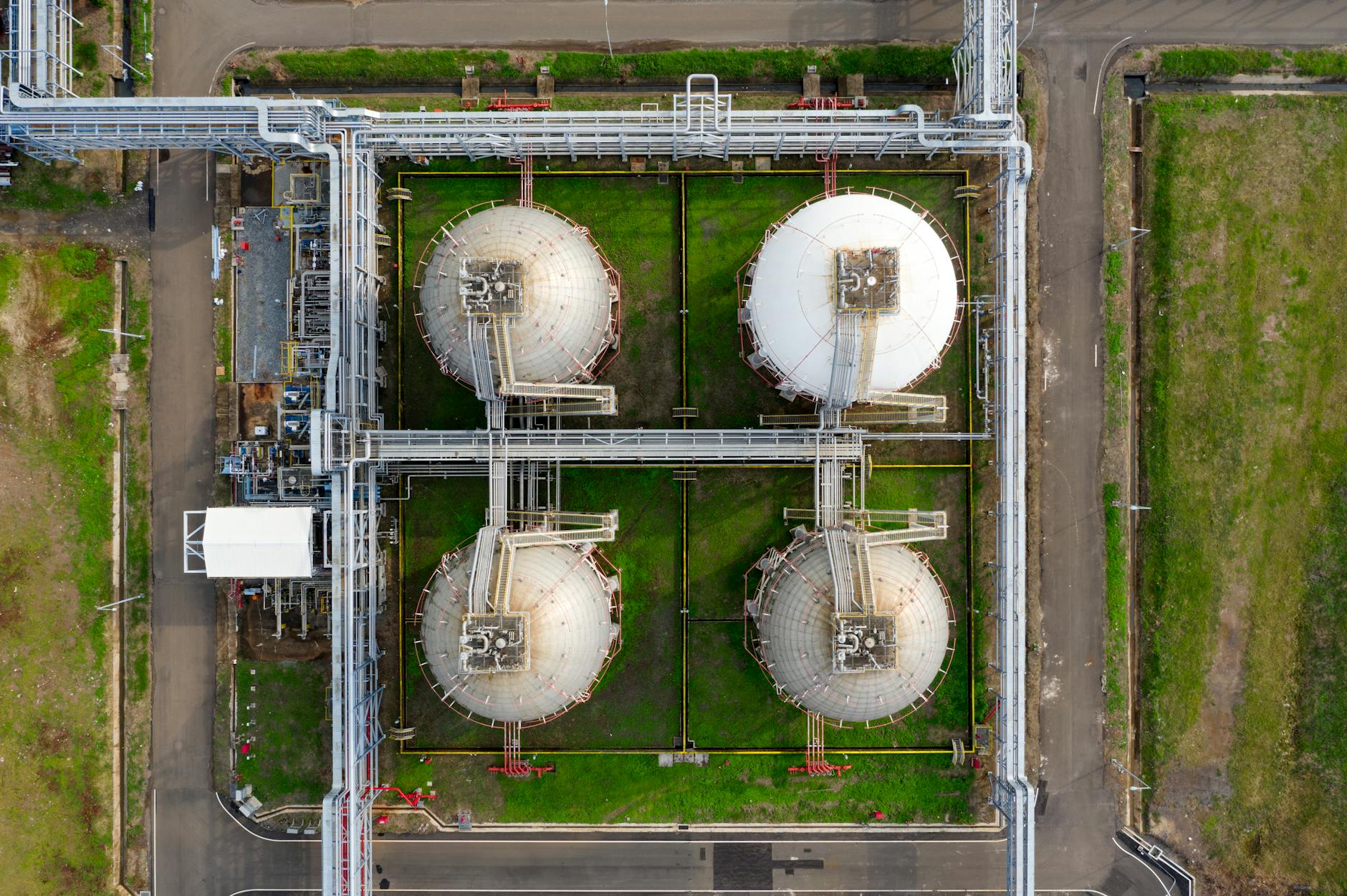
Italian stocks hit 26-year record as energy, chips lead
Italian stocks hit a 26-year record as STMicroelectronics, Eni and Saipem extended a rally that has lifted Milan's FTSE MIB 11% in 2026.
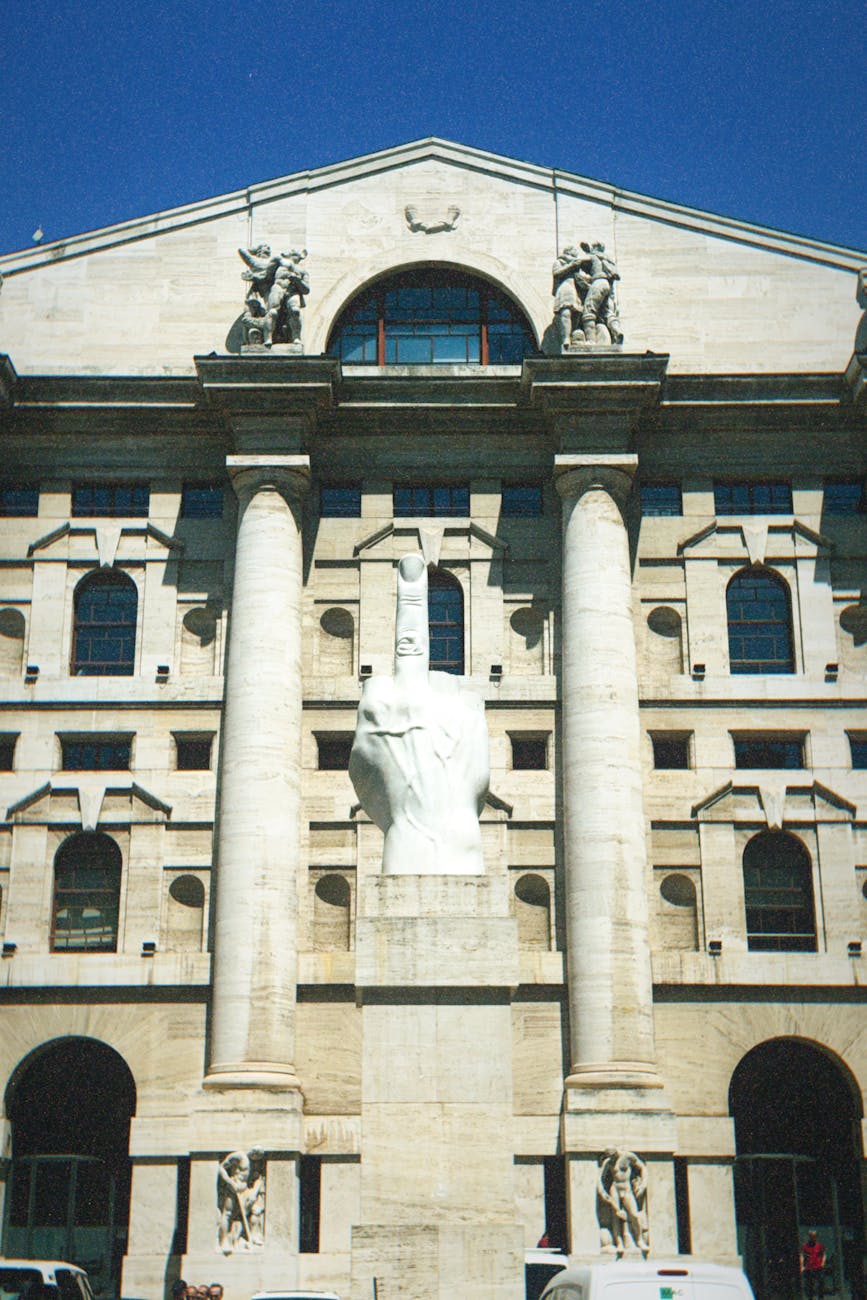
Bank of Israel cuts rates to 3.75% on shekel surge, Iran hopes
The Bank of Israel lowered its base rate by 25 basis points to 3.75% as the shekel hit a 33-year high and ceasefire talks with Iran progressed, marking the first easing since the conflict began in February.

Naphtha shortage hits Asia factories as Hormuz shock spreads
Naphtha shortage is hitting factories in Japan and South Korea, turning the Hormuz blockade from an oil shock into a broader inflation risk.
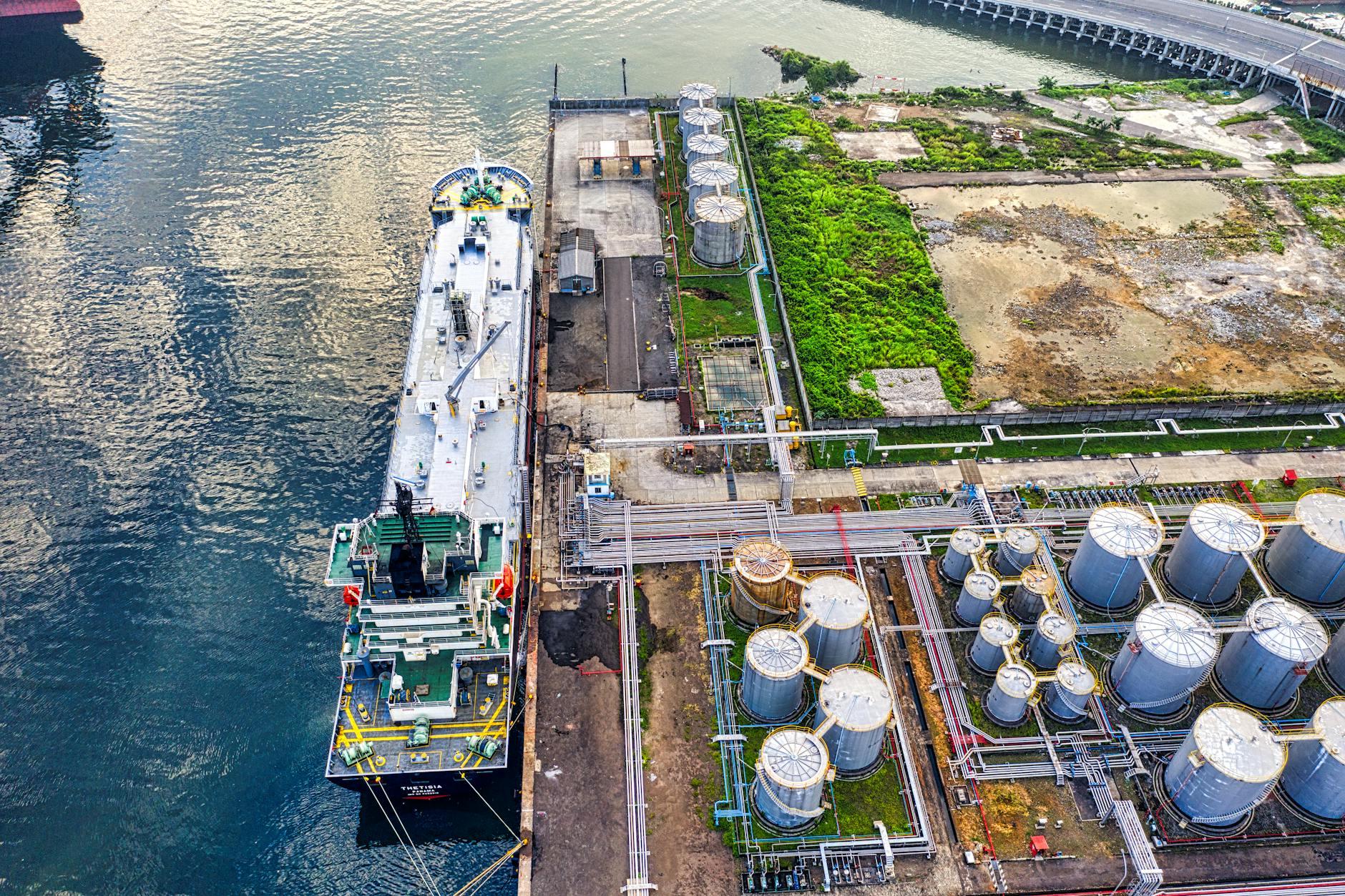
Iran deal could reopen Hormuz and ease oil pressure
Trump's claim that an Iran deal would reopen the Strait of Hormuz gives oil traders a clearer test of whether sanctions relief and tanker access can pull the war premium out of crude.
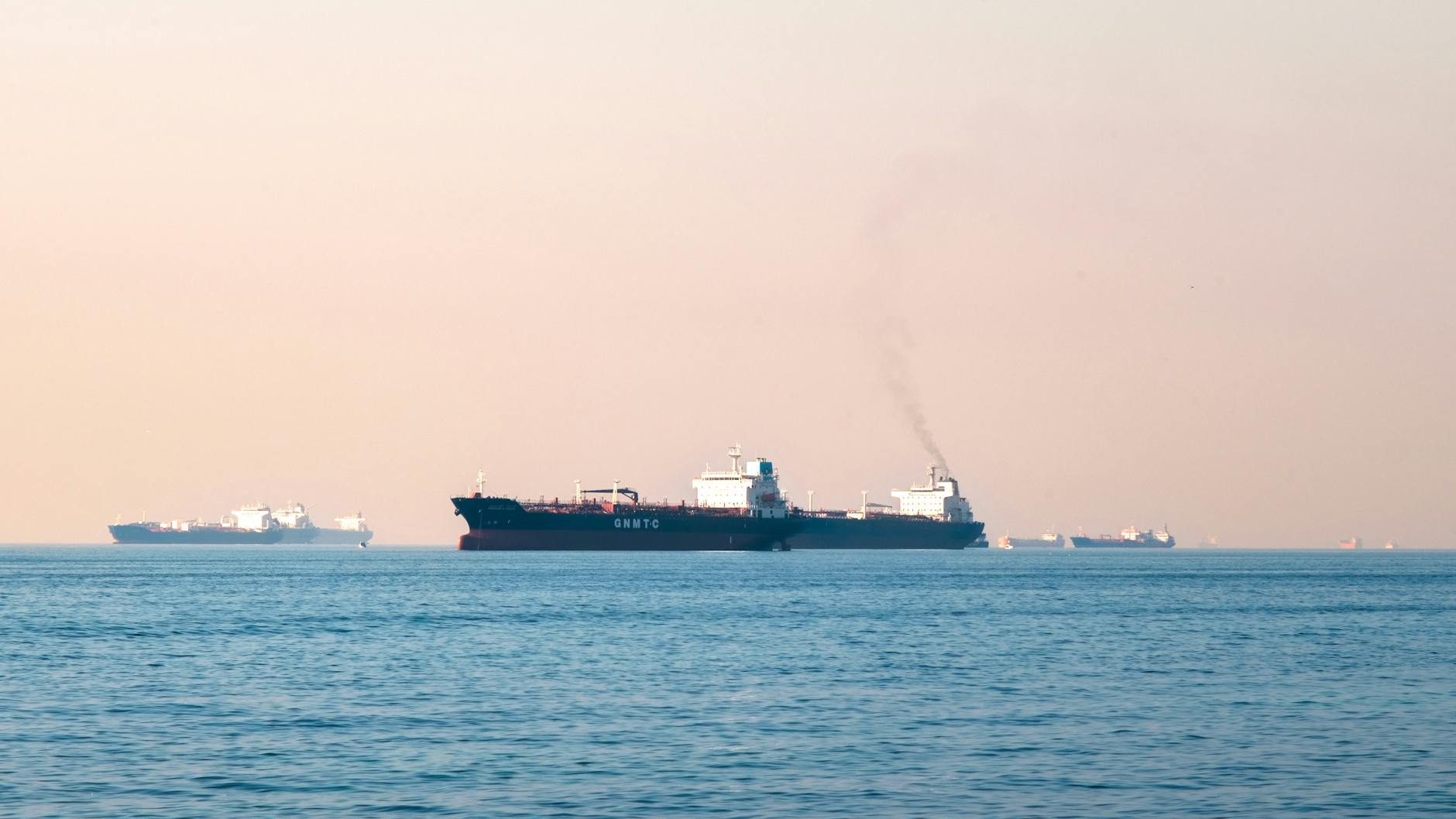
Hormuz reopening nears as Iran offers uranium concession
Hormuz reopening moved closer after Iran signaled it could surrender enriched uranium for sanctions relief under a 60-day framework.
Consumer sentiment hits record low as Dow hits record high
The University of Michigan consumer sentiment index plunged to an all-time low of 44.8 in May 2026 even as the Dow Jones Industrial Average closed at a record 51,032, exposing a historic divergence between Wall Street optimism and household financial distress driven by war-fuelled inflation.

World Bank crisis funds: 27 countries line up after Iran war
World Bank crisis funds are drawing 27 countries into emergency planning after the Iran war, signalling wider sovereign liquidity strain.
US fuel prices may stay high after any Iran ceasefire
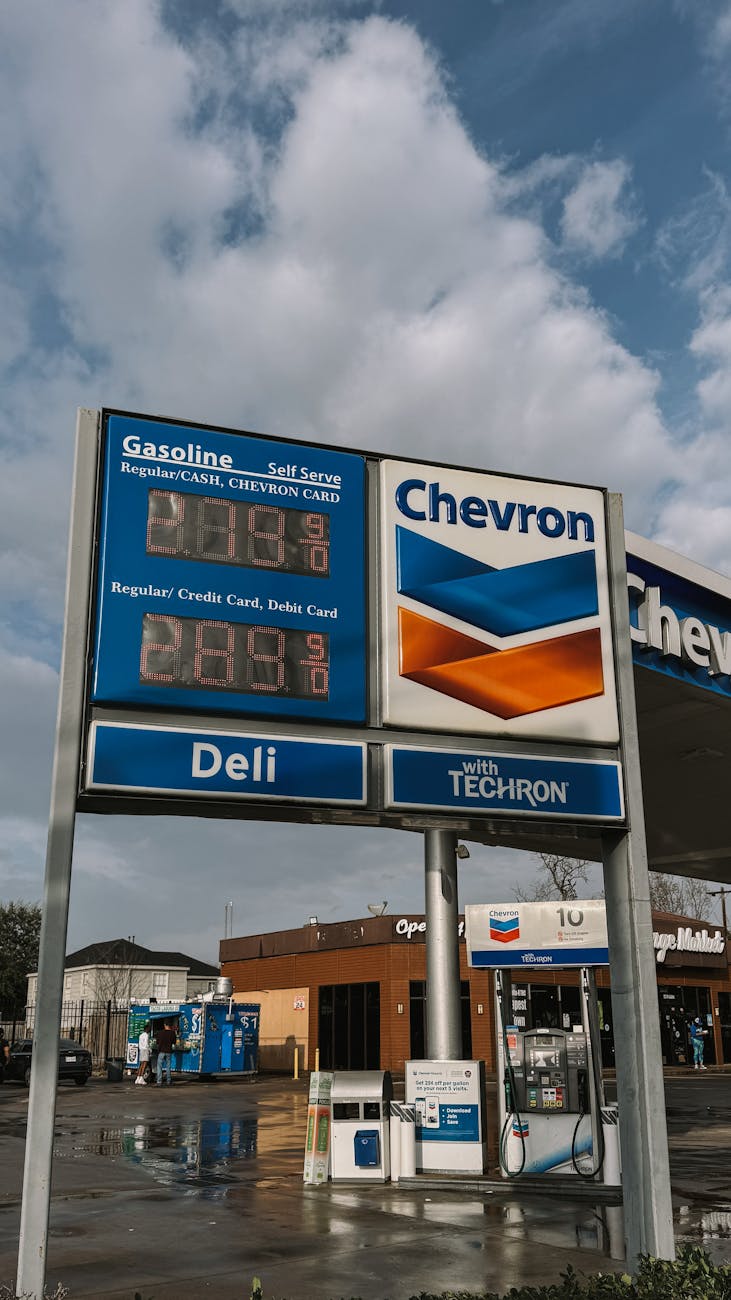
US fuel prices may stay high after any Iran ceasefire, with gasoline near $4.55 a gallon as inventories, refining and travel demand stay tight.
U.S.-Iran ceasefire extension nears as Hormuz may reopen
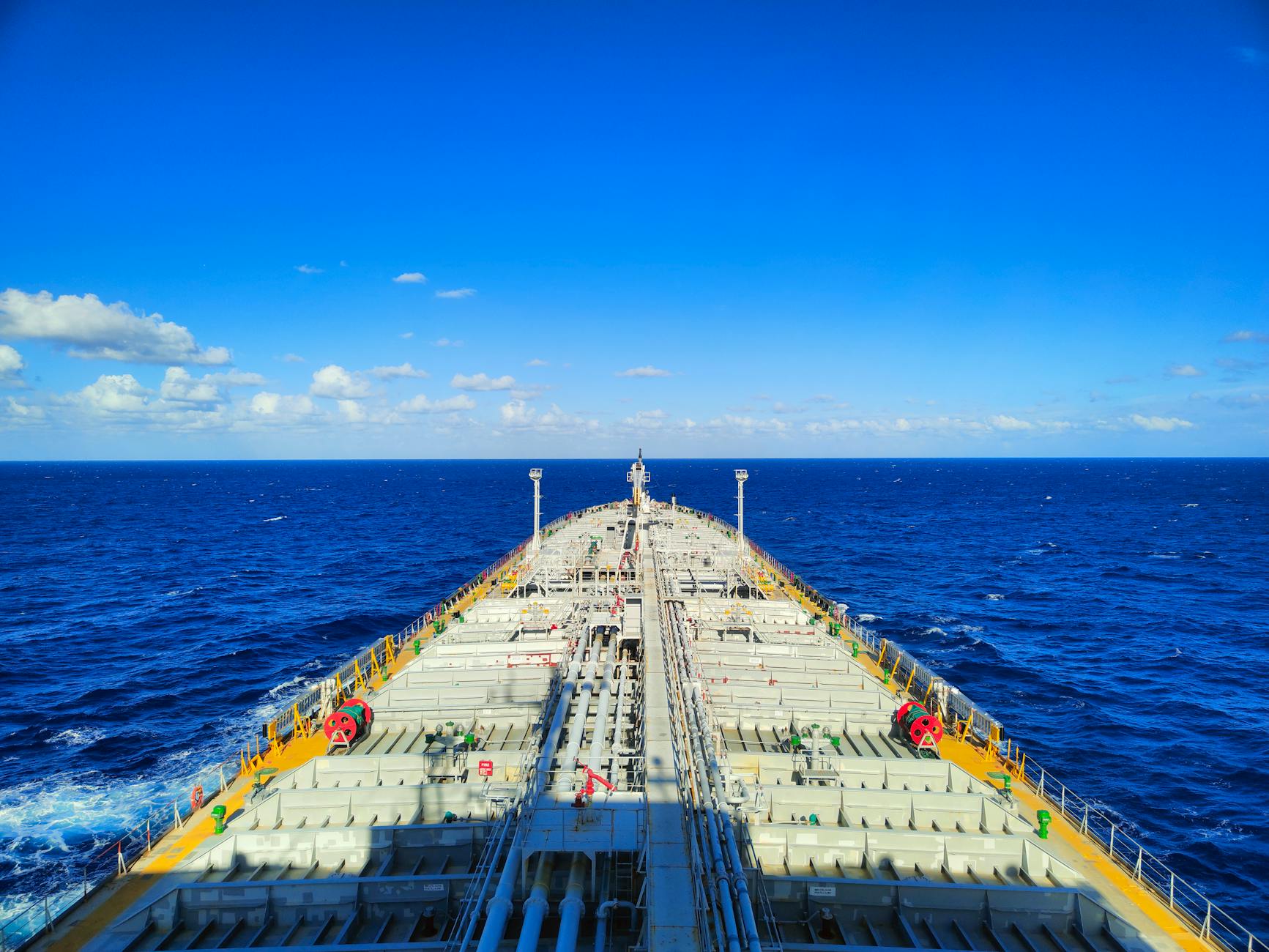
U.S.-Iran ceasefire extension talks point to a 60-day deal and phased Hormuz reopening, giving oil and tanker markets a new de-escalation signal.
Gold's 2026 rally now carries a measurable war premium
Gold's geopolitical risk premium is lifting 2026 prices even as oil-driven rate fears cap rallies, leaving central-bank buying to set the floor.

The Iran war is draining the old petrodollar cushion
Petrodollar recycling is weakening as the Iran war keeps oil high, lifts Treasury yields and removes a familiar Gulf cushion for global demand.
Europe oil windfall tax fight grows as Iran profits swell
Europe oil windfall tax plans are widening as BP, Shell and TotalEnergies try to defend Iran-war trading gains, buybacks and fuel margins.
US consumer sentiment hits May record low on inflation fears
US consumer sentiment hit a record low in May as higher gasoline prices lifted inflation expectations and deepened worries over household finances.

Hormuz tolls keep oil risk alive as U.S.-Iran talks advance
Qatar-backed diplomacy reduced the odds of renewed fighting, but unresolved Hormuz tolls and uranium terms kept oil and shipping risk alive.
Oil and gas M&A 2026: high crude prices fuel more deals
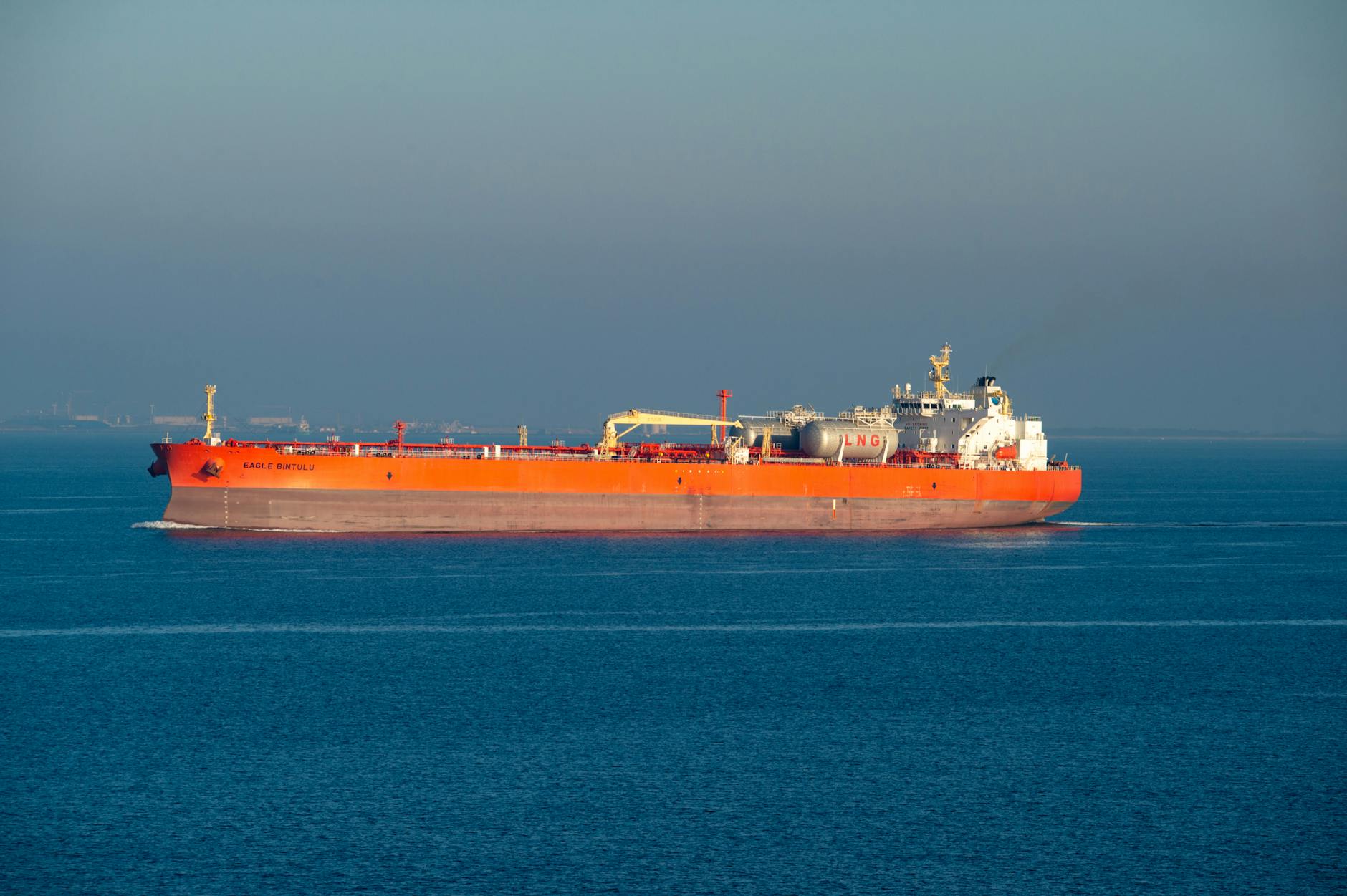
Oil and gas M&A hit $38 billion in Q1 2026, and higher crude prices may turn a megadeal-led quarter into a broader wave of shale consolidation.
UK house prices stall at £268,000 as higher mortgage rates bite
UK house prices recorded their first 12-month period of zero growth in nearly two years as the average two-year fixed mortgage rate surged 0.9 percentage points to 5.73 per cent since the Iran conflict began, transmitting bond-market stress directly into household balance sheets.

Iran war LNG shock: Woodside says markets underprice risk
Iran war LNG shock is still rippling through supply routes and prices, Woodside said, warning markets are underestimating how long the disruption will last.
G7 finance ministers plan for Iran war inflation shock
G7 finance ministers are weighing IMF, World Bank and sanctions options as the Iran war's oil shock raises inflation and growth risks.

Motor-oil shortage fears show how the Iran shock is spreading beyond crude
Synthetic motor oil prices surge as Iran war severs 44% of US Group III base oil imports. Toyota and Nissan are now rationing supplies to dealerships, with normal supply not expected until mid-2027.

Oil drops as Trump delays Iran strike, easing Hormuz fears
Crude fell after Donald Trump said he had postponed a planned strike on Iran, easing immediate fears of a supply shock through the Strait of Hormuz.