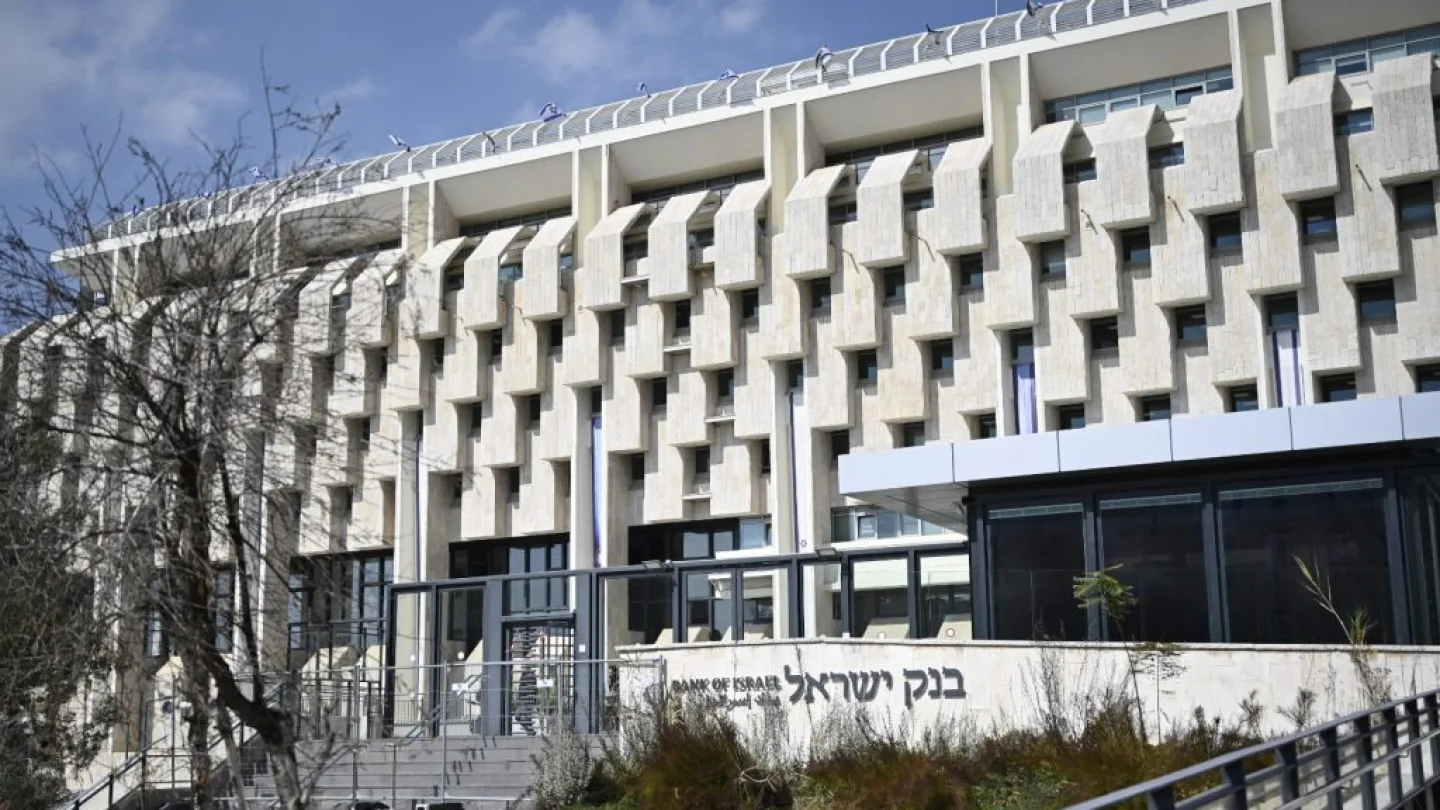
Bank of Israel cuts rate to 3.75% as US-Iran talks advance
Bank of Israel lowered its benchmark rate to 3.75 per cent as inflation eased, the shekel strengthened and US-Iran ceasefire talks reduced pressure on the economy.

Bank of Israel cut its benchmark interest rate by 25 basis points to 3.75 per cent on Monday, resuming easing as inflation held at 1.9 per cent over the past 12 months, the shekel strengthened and progress toward a broader US-Iran ceasefire reduced some of the risk premium hanging over the economy.
For markets, Monday’s decision was the event and the diplomacy was the backdrop. Israel had been edging toward a cut for weeks, and the move landed after the currency firmed and price growth cooled. In pre-decision reporting before the meeting, Bloomberg said the shekel had strengthened to about 2.9 against the dollar as ceasefire efforts advanced, easing one route through which imported inflation had stayed sticky.
In its rate statement, the central bank said it was weighing disinflation against regional uncertainty and the government’s fiscal position. The committee said the shekel had appreciated 8.3 per cent against the dollar since the previous decision and that inflation was back inside target, giving it room for a quarter-point cut instead of another hold.
The bank still sounded cautious. “The interest rate path will be determined in accordance with inflation, economic activity, geopolitical uncertainty and fiscal developments,” the Bank of Israel said in its May 25 decision.
That caution matters for traders looking for a full easing cycle. The bank used the firmer currency and calmer near-term backdrop to trim a policy setting it now sees as restrictive, but it kept geopolitics in the equation. The next move still looks tied to the shekel and the security picture, not only to monthly inflation prints.
Economists cited in Bloomberg’s coverage of the decision said the domestic data had created room for a modest cut. Rafael Gozlan, chief economist at IBI Investment House, said: “Stabilization of inflation around 1.9% and the sharp appreciation of the shekel supports a slight downward adjustment to rates.”
Gozlan treated the move as a small recalibration rather than an aggressive turn in policy.
Shmuel Katzavian, a strategist at Israel Discount Bank Ltd, was blunter in the same reporting, saying: “Current interest rates are excessively high given inflation and weak growth.”
That helps explain why markets may focus more on the rate path than on the truce headlines. The debate has shifted from whether the bank could cut to how far it may go if the currency holds and inflation stays contained.
The clearest transmission channel remains the shekel. A stronger currency lowers the local cost of imports and gives the central bank more room to ease without quickly reigniting price pressure. If the truce process with Iran continues to calm markets, policymakers can pay more attention to domestic activity. If it breaks down, officials have already signalled that geopolitical uncertainty will stay in the reaction function.
Monday’s move looked more like a reset than a victory lap. The bank used a better inflation backdrop, a firmer shekel and a calmer regional tone to lower rates to 3.75 per cent, while leaving clear that follow-up cuts will depend on whether those supports last.
Helena Brandt
Macro reporter covering the Federal Reserve, ECB, inflation prints and jobs data. Reports from Washington.