Tag
#United States
Hormuz attacks resume, threatening oil's post-truce unwind
Hormuz attacks resumed after Iran reportedly fired at least two missiles at commercial ships, forcing traders to reprice crude and shipping risk.

Canada oil pipeline to Asia redraws crude export map
Canada oil pipeline to Asia would carry 1 million barrels a day, betting Pacific access can cut reliance on the U.S. crude market.
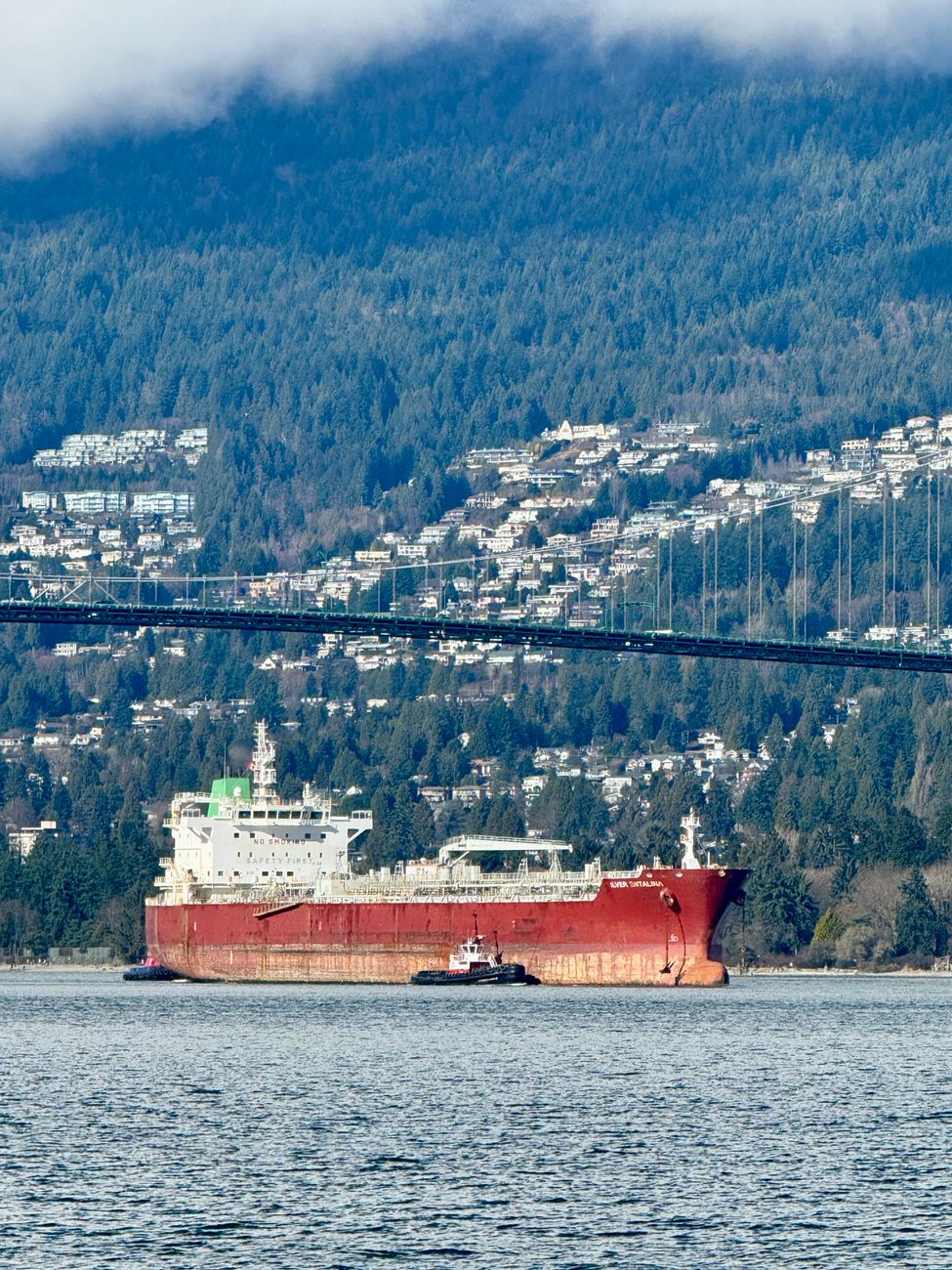
Sungrow plunges 20% on report of possible US ban
Sungrow plunged as much as 20% after Reuters reported the US was drafting an inverter import ban, putting its overseas profit at risk.
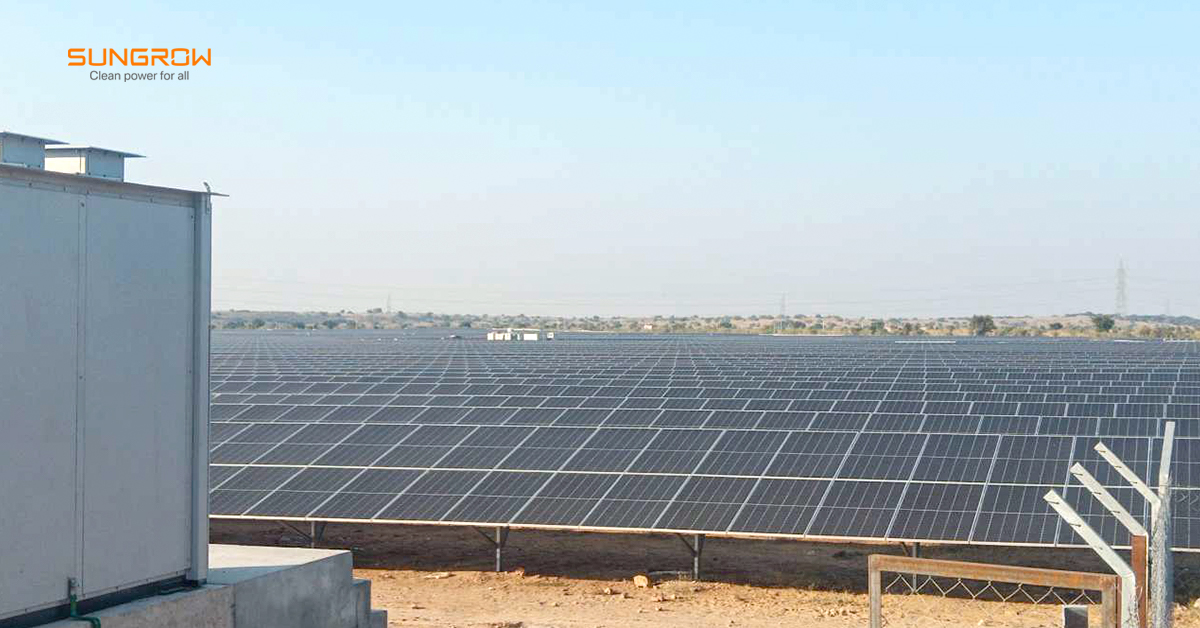
Oil prices rise 1.3% after tanker hit revives Hormuz risk
Oil prices rose after a tanker strike and fresh U.S.-Iran attacks pushed WTI above $70, putting Hormuz shipping risk back into crude trading.
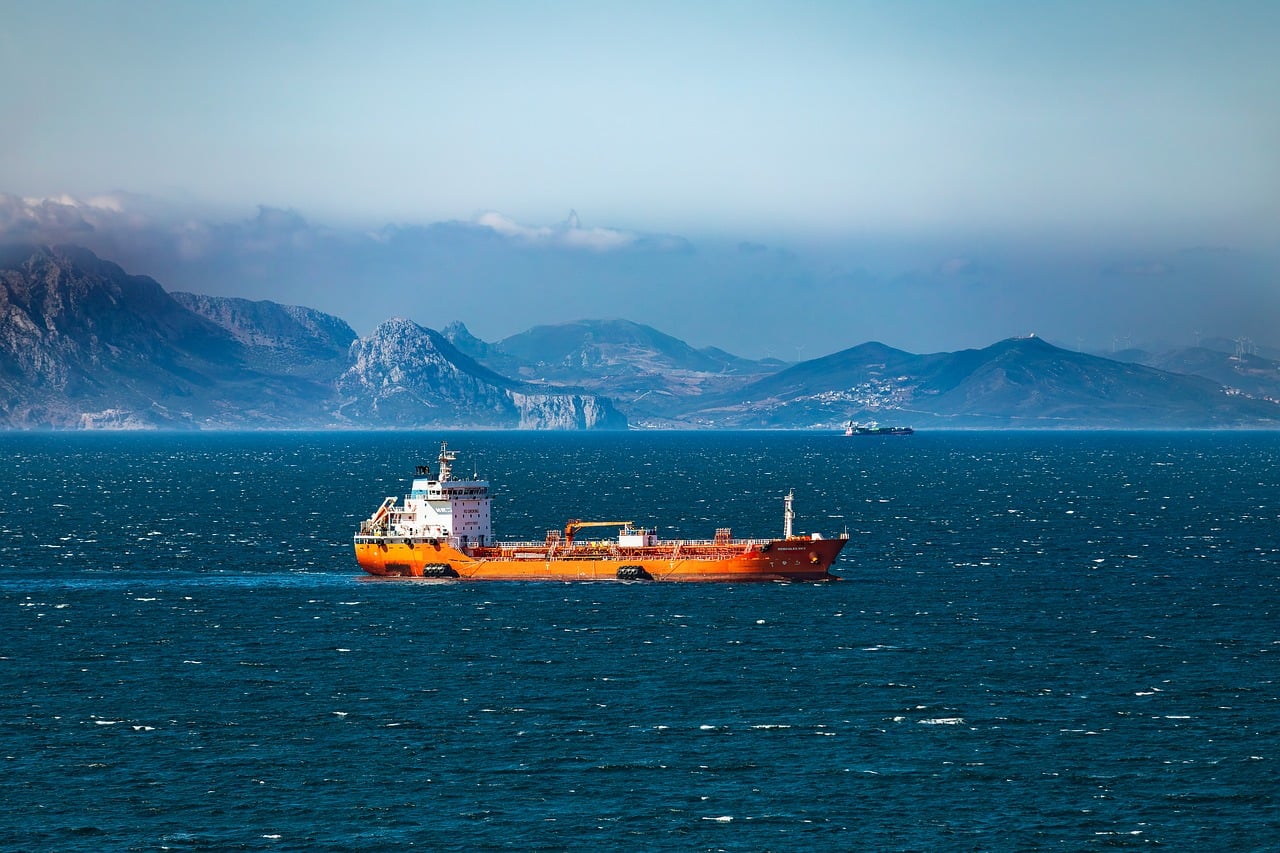
U.S.-Iran talks on Hormuz resume after halt in strikes
U.S.-Iran talks on Hormuz are set for Tuesday after both sides agreed to halt strikes again, but traders still need a calmer shipping lane.

China trade curbs hit 56 U.S. firms after Pentagon blacklist
China trade curbs on 56 U.S. firms widen retaliation over the Pentagon blacklist, raising pressure on procurement and supply chains.
Hormuz tanker traffic jumps, but shipping stays below prewar
Hormuz tanker traffic jumped to 20 vessels on Thursday, but toll uncertainty, naval clearance work and low ship counts still cloud a full reset.
Trump says US better off without USMCA before July review
Trump's USMCA threat before the July 1 review revives trade risk for North American manufacturers and puts a settled pact back in play.

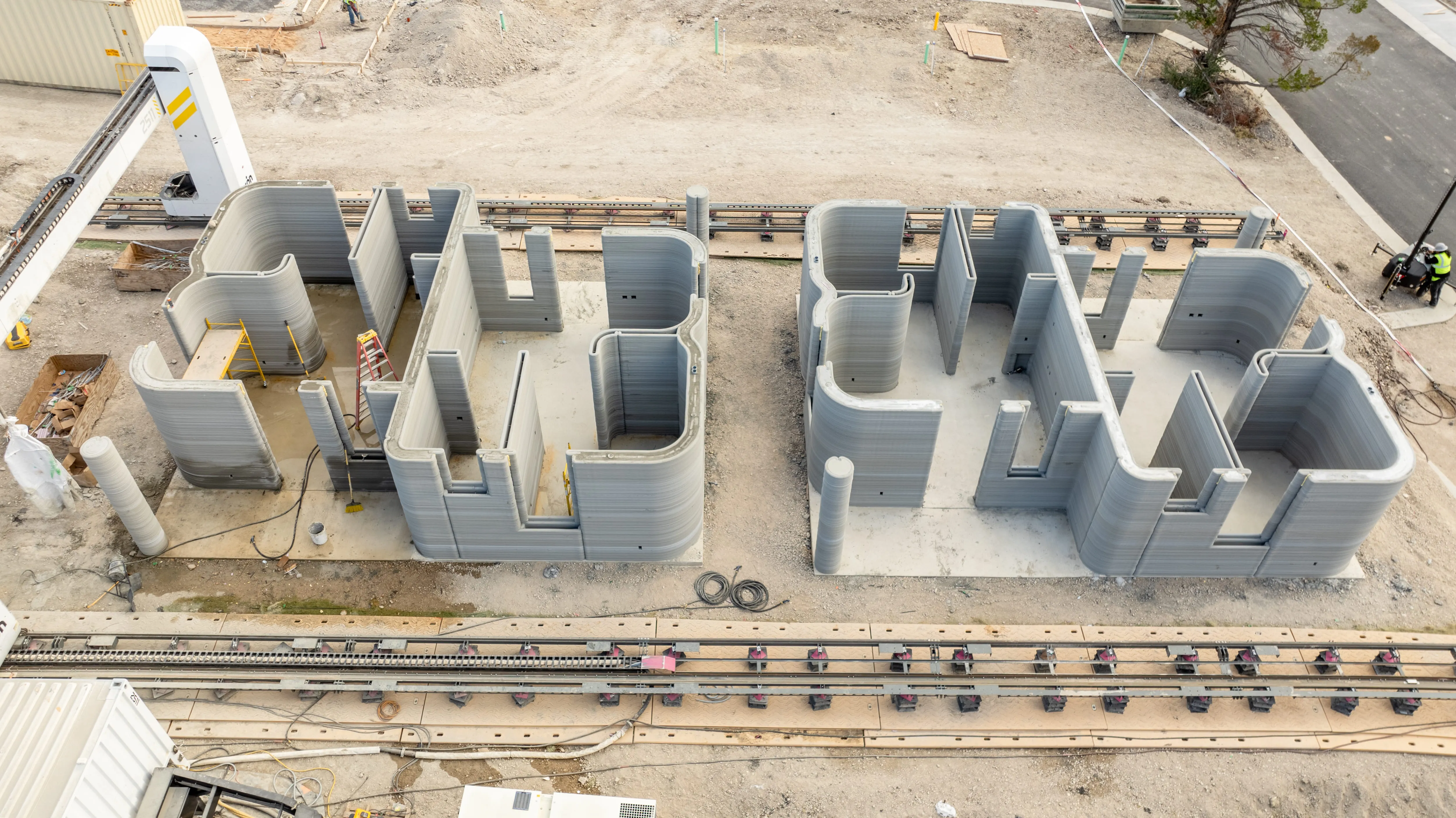
Wells Fargo 3D home mortgages get 50-bp credit with Icon
Wells Fargo 3D home mortgages will carry a 50-basis-point buyer credit as the bank backs Icon's printed-home model and financing push.
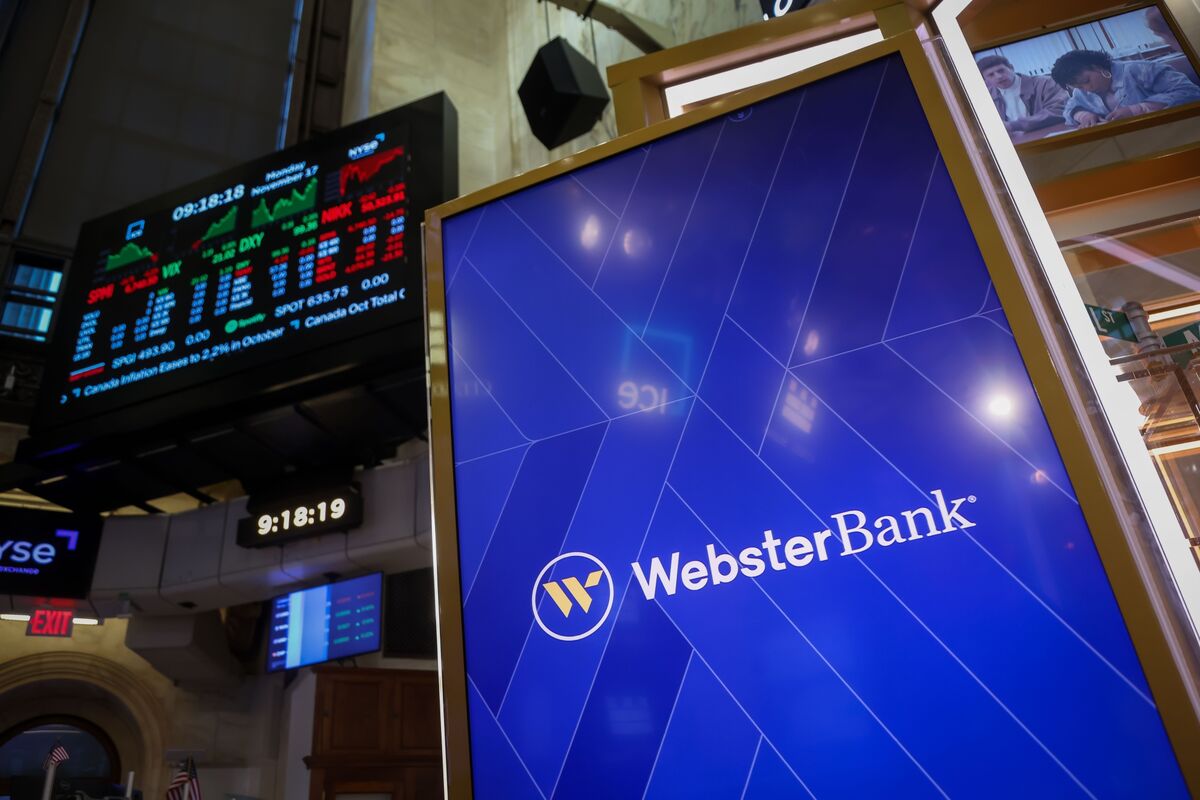
Webster (WBS) holders back Santander takeover as closing nears
Webster shareholders approved Banco Santander's $12 billion takeover, clearing a major hurdle for one of 2026's biggest cross-border US bank deals.
Singapore insider trading suspect denied bail in US case
Singapore insider trading suspect Zhi Ge was denied bail as he fights US extradition over alleged trades from 2017 to 2024.
Huawei chip plan targets US semiconductor lead by 2031
Huawei chip plan aims for 1.4-nm-class density by 2031, keeping pressure on TSMC, SMIC and US export controls in the chip race.
Oil market 'tank bottoms' in Asia signal Europe is next
Oil market shortages are spreading from Asia to Europe as inventories thin and jet-fuel users feel the squeeze before futures do.
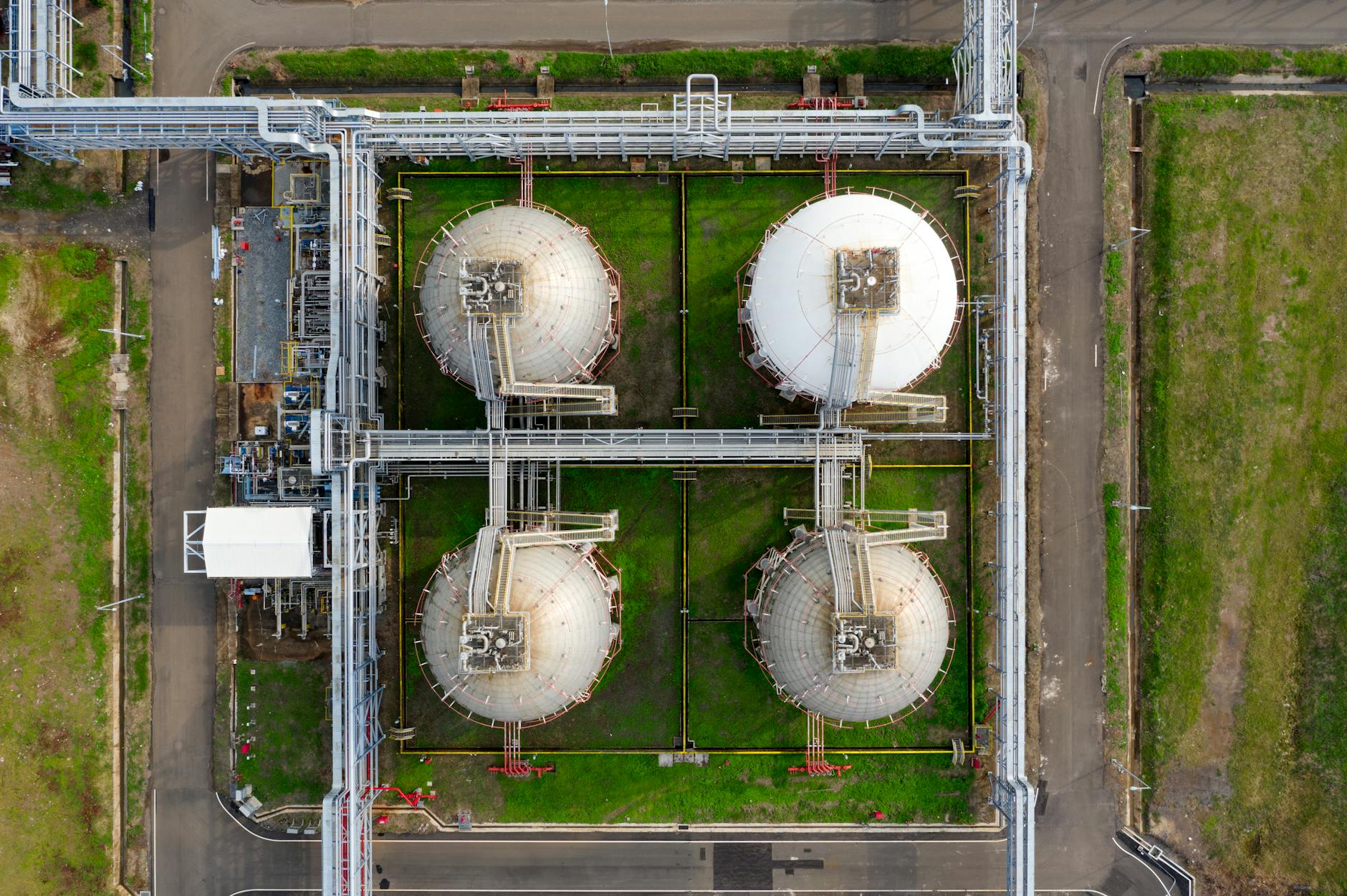
Bank of Israel cuts rate to 3.75% as US-Iran talks advance
Bank of Israel lowered its benchmark rate to 3.75 per cent as inflation eased, the shekel strengthened and US-Iran ceasefire talks reduced pressure on the economy.

U.S.-Iran ceasefire extension nears as Hormuz may reopen
U.S.-Iran ceasefire extension talks point to a 60-day deal and phased Hormuz reopening, giving oil and tanker markets a new de-escalation signal.

Polymarket seeks Japan approval in global market push
Polymarket's Japan approval push adds a new regulatory test for prediction markets as U.S. officials debate rulemaking and trading-integrity risks.

Nvidia concedes China AI chip market to $12B rival Huawei
Nvidia's Jensen Huang says the company has 'largely conceded' China's AI chip market to Huawei, marking a permanent reset of the AI silicon landscape.
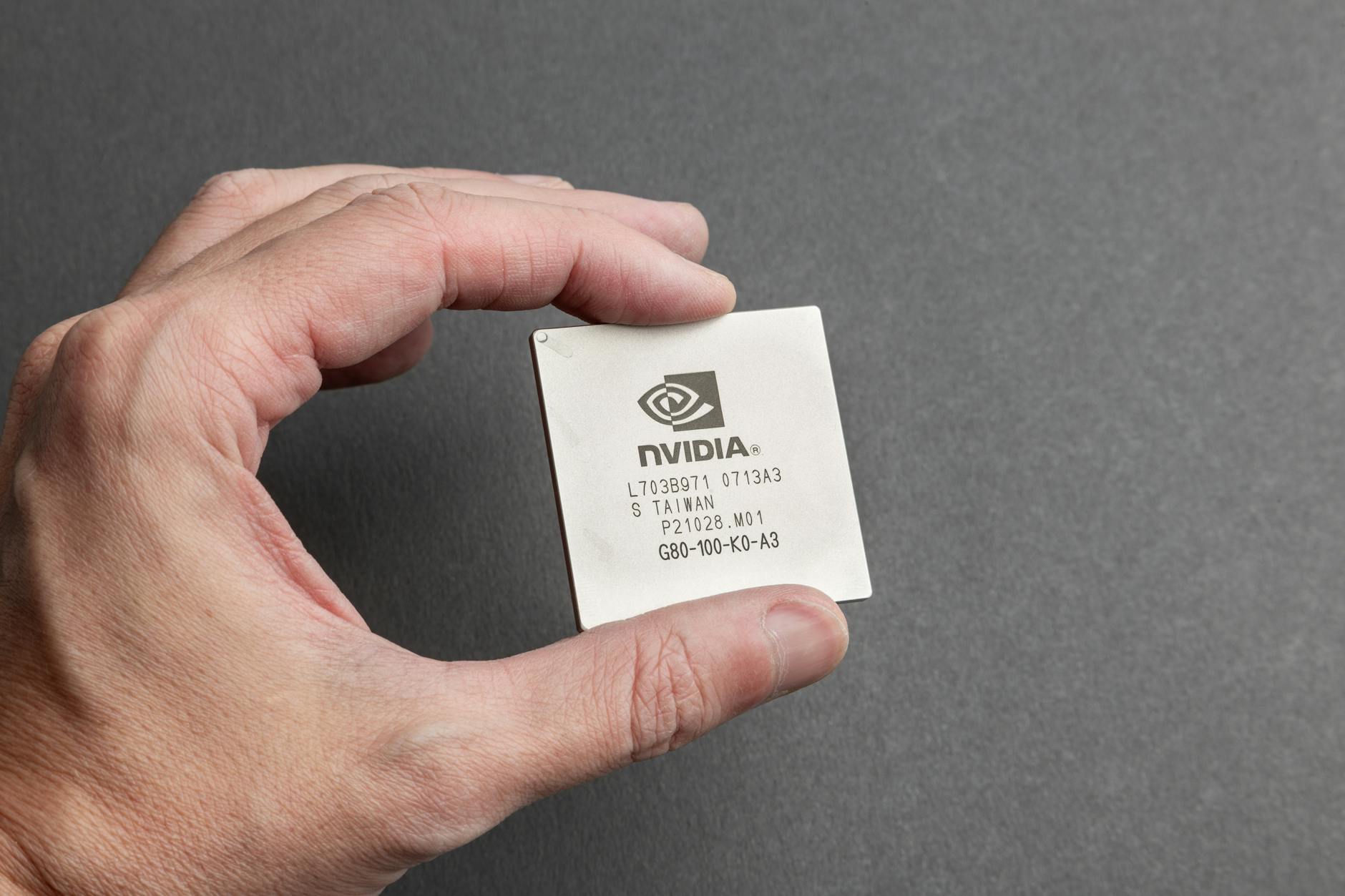
Negative real rates are back as bond markets test central banks
Negative real rates are back as inflation tops policy settings, leaving the Fed and its peers with less room to calm bond markets already pushing yields higher.
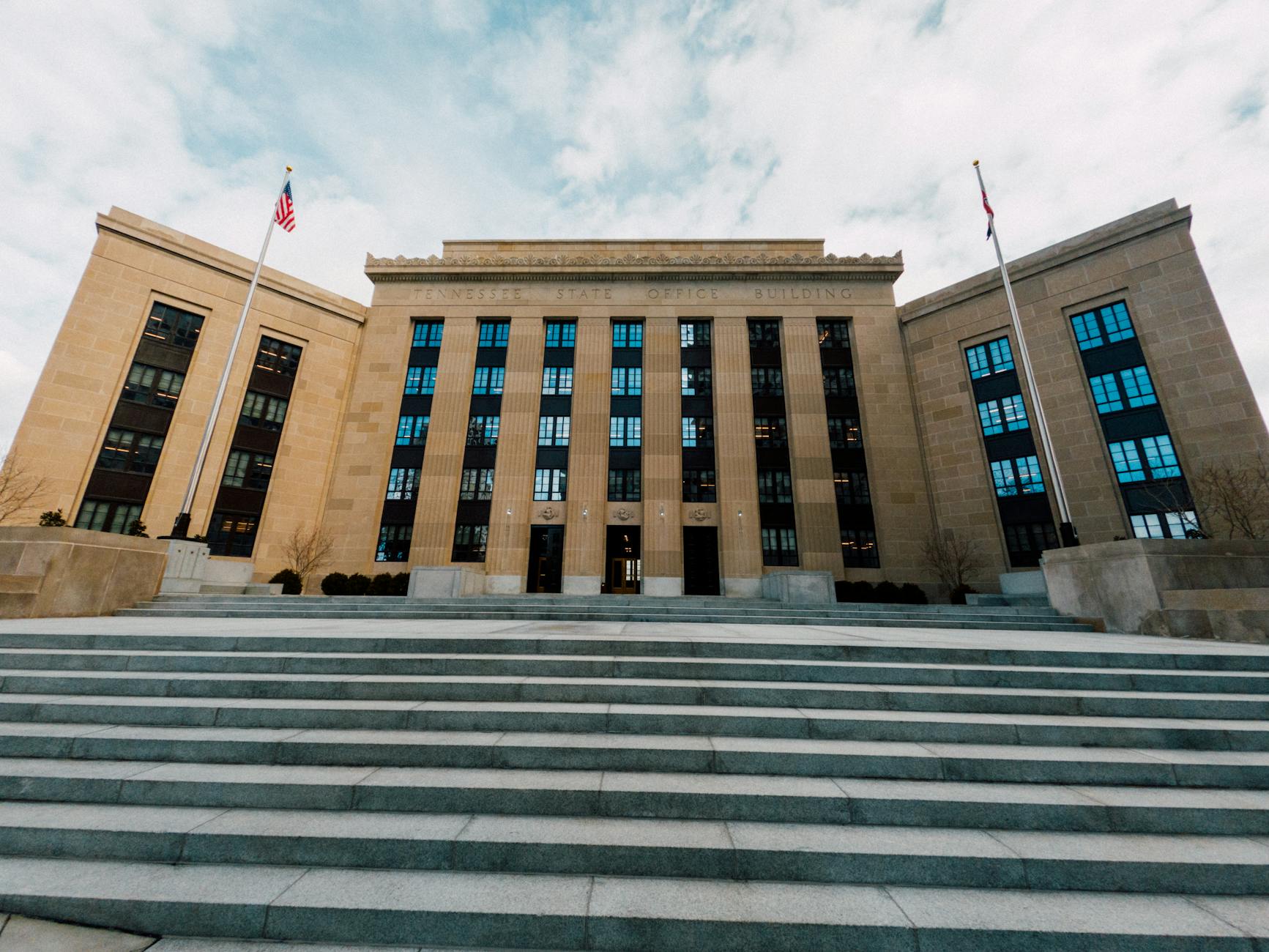
Trump's China summit drags Taiwan chip risk into the AI trade
Trump advisers' warning on Taiwan matters for markets because TSMC still anchors the advanced-chip capacity behind the AI trade despite US reshoring.
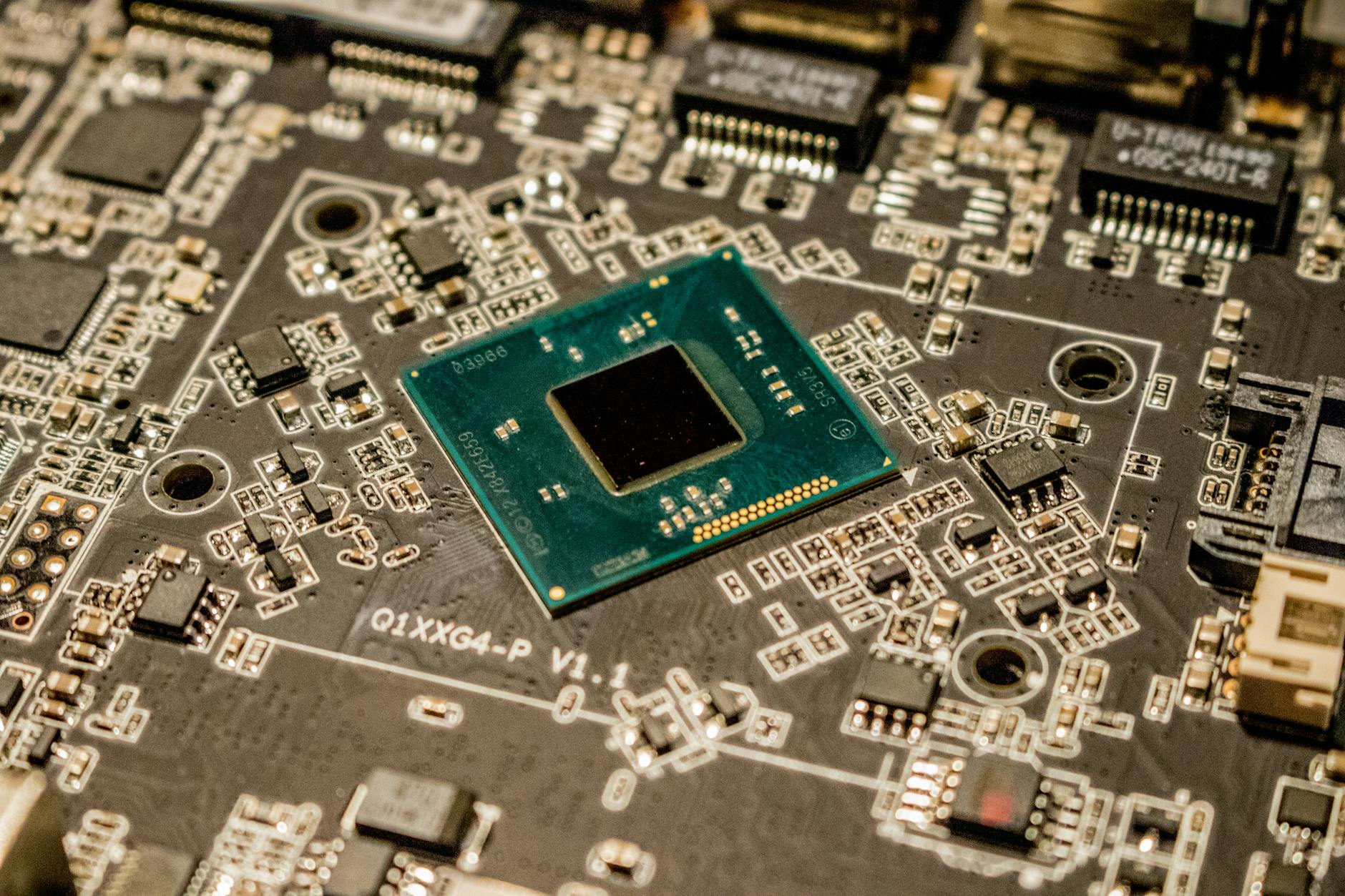
AI data-centre demand reprices power on PJM's wholesale market
PJM's first-quarter price spike suggests AI data-centre demand is moving from chip stocks into wholesale electricity, raising costs across the largest US grid.
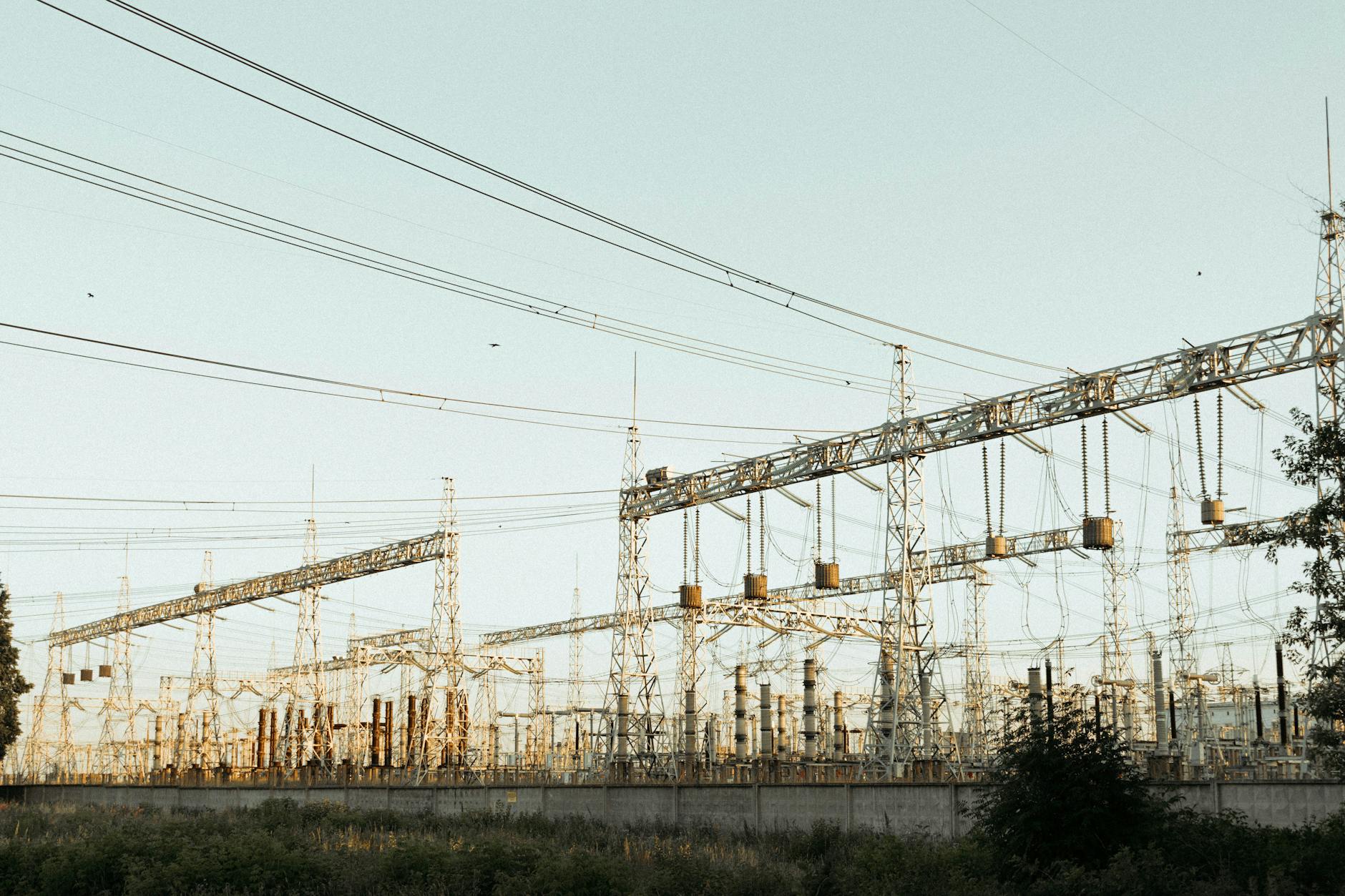
China and US use supply channels to contain Middle East oil shock
China's 3.6 million bpd import cut and a 3.5 million bpd U.S. export surge blunted the Gulf shock, easing pressure on oil, inflation and yields.