Hormuz attacks resume, threatening oil's post-truce unwind
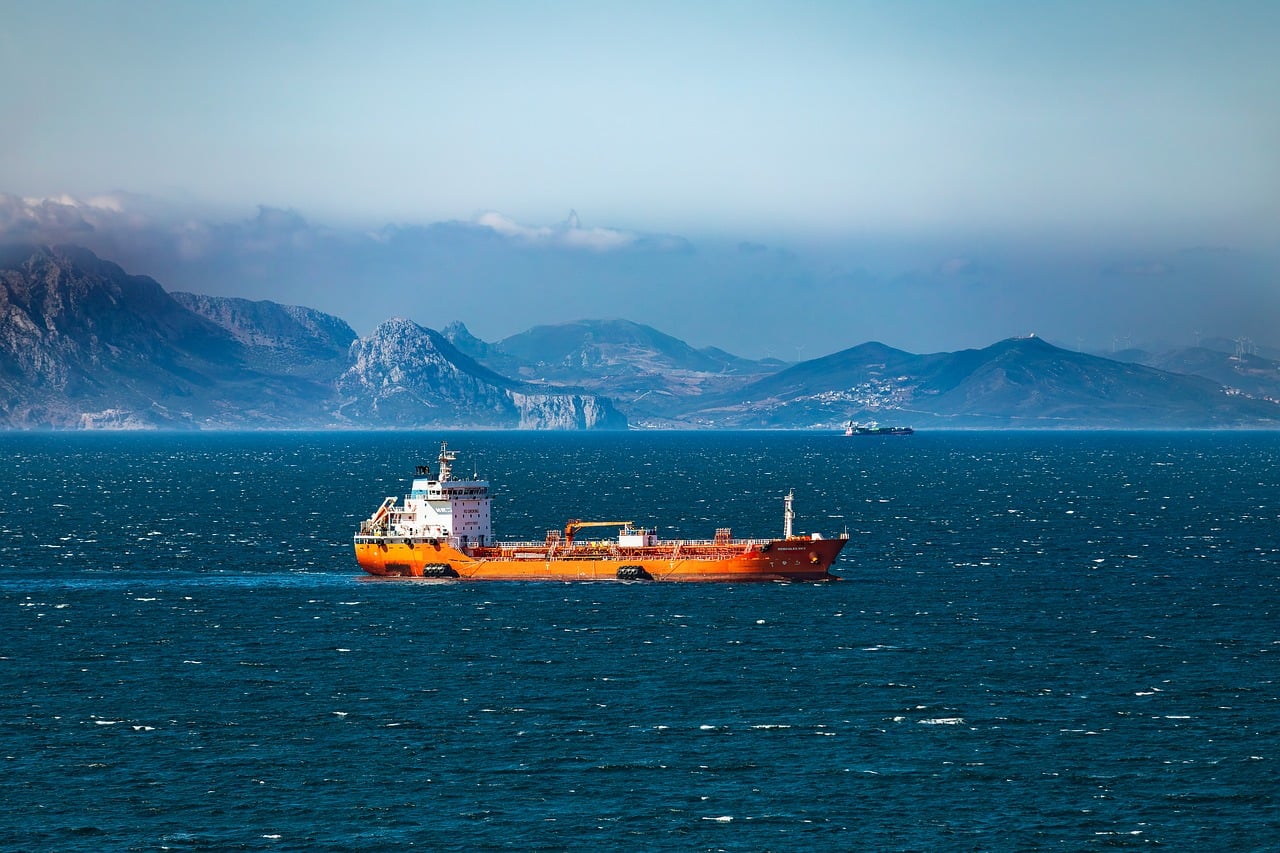
Hormuz attacks resumed after Iran reportedly fired at least two missiles at commercial ships, forcing traders to reprice crude and shipping risk.
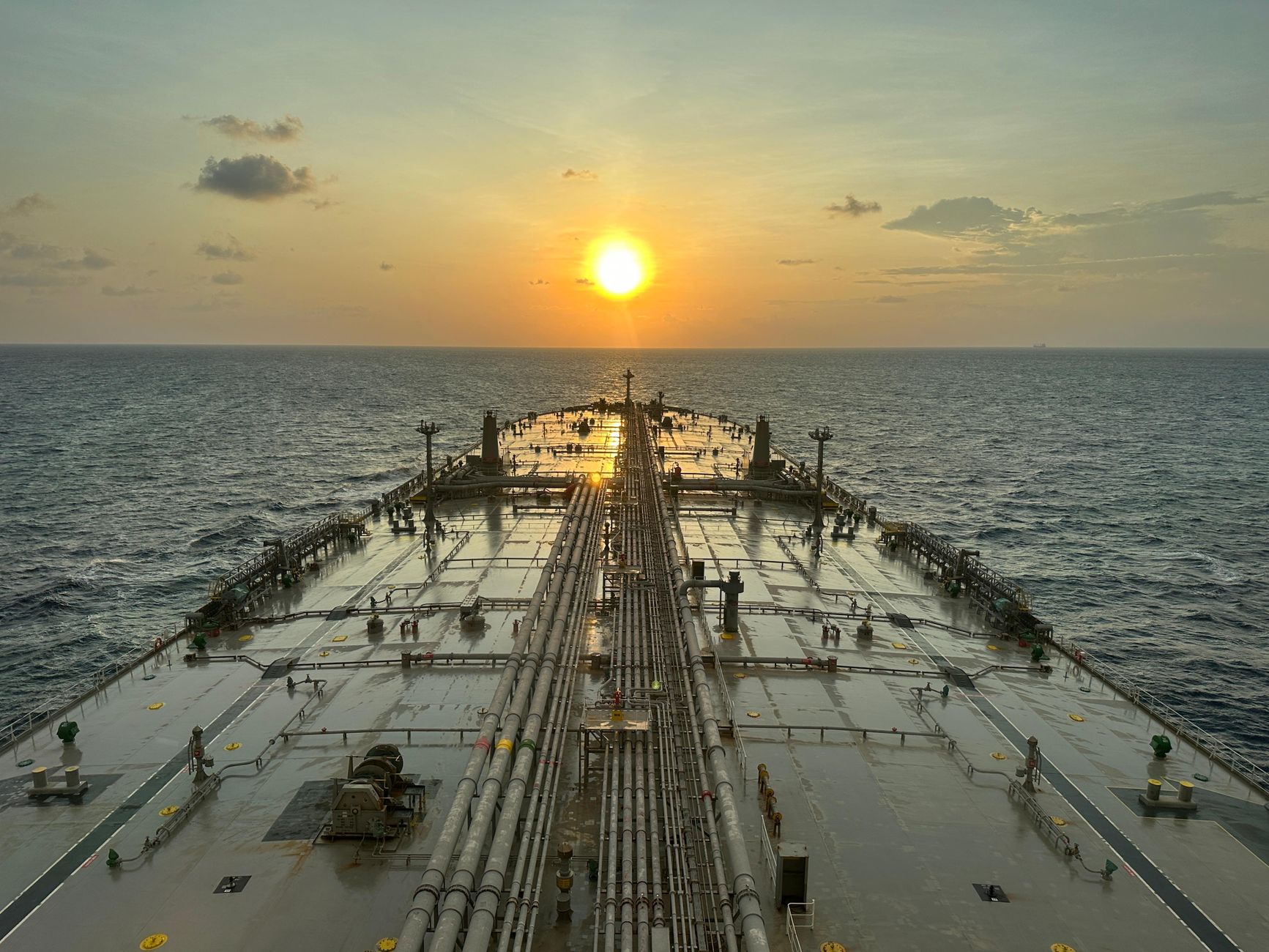
Brent crude was holding near $72.46 a barrel on Monday and US West Texas Intermediate near $68.95 after Axios reported that Iran fired at least two missiles at commercial ships in the Strait of Hormuz, putting fresh pressure on a market that had just marked down its war premium.
For much of the past week, traders had been taking risk out of prices. Reuters reported on June 28 that Washington and Tehran agreed to halt attacks and restart talks after a 14-point memorandum reopened the passage. Axios later reported that negotiators in Doha were still arguing through tolls and shipping terms during a one-week quiet period.
Now the oil market has to answer a narrower question: was the late-June truce a reset, or only a pause? If commercial traffic is again being targeted, crude and freight traders have to treat Hormuz as an active risk rather than last week’s headline.
Why oil has not spiked
A straight-line rally is not assured. Reuters reported on Sunday that OPEC+ will raise output targets by 188,000 barrels per day from August, while Saudi Arabia cut official selling prices into Asia. Extra barrels were already weighing on the market when the shipping risk returned.
Mizuho’s Robert Yawger was blunt about the supply signal in the Reuters report on OPEC+ and prices:
“It is increasingly looking like the Gulf producers are gearing up for a price war,”
Robert Yawger, Mizuho
Benchmark crude did not break sharply higher on the headline alone. Brent was near $72 and WTI near $69, a sign that new supply can restrain flat prices even when security risk adds costs for shipping, insurance and procurement.
Traffic had also started to look normal again before Monday night’s report. The Hill, citing Kpler data, said 40 vessels passed through the strait on Monday, up from 24 on Sunday and 39 on Saturday. That rebound supported the view that physical flows were recovering faster than the military rhetoric suggested.
Watch freight and insurance first. Refinery buying patterns can shift before benchmark crude does. A softer flat price does not mean traders are ignoring the strait; it may mean they are balancing a narrower physical disruption against a broader supply build.
What breaks the truce
Diplomacy is why the latest report is hard to dismiss as a one-off. Reuters reported on July 1 that Iran wanted international recognition of its control over Hormuz and the right to collect transit fees. The United States, by contrast, was trying to keep vessels moving freely and fold shipping security into a wider agreement.
Even the memorandum that reopened the strait stopped short of a permanent security settlement. Reuters’ June 28 reporting described an understanding tied to renewed talks and a stand-down, not a surrender of Iran’s leverage. That left the market exposed to this kind of reversal: calmer flows on the surface, with the pressure point still there.
Axios made the temporary nature of the calm explicit. In Axios’s July 1 report from Doha, a U.S. official described the quiet period as space for talks, not a settlement:
“We have reached an understanding that we will keep things quiet for the coming week, so progress on all aspects of the MOU can be worked on in a productive environment, without missiles flying,”
U.S. official, Axios
That week has now expired. If the Axios report is followed by maritime alerts or a U.S. response, traders will have to reprice more than the odds of another strike. They will have to judge whether the framework that let oil settle back toward pre-war levels is already fraying.
Central banks and importers will notice the difference. Cheaper crude over the past week had eased one inflation pressure just as producers signaled more supply. A renewed shipping threat does not need to close the waterway to change that calculation. It only has to make moving Middle East barrels look less routine.
For crude markets, the next test is whether renewed attacks start to choke traffic again or mainly raise the cost of moving cargo through the Gulf. A traffic squeeze would argue for a sharper move in Brent and WTI. A costlier but still-open strait would matter too, because it would unwind the complacency that built as OPEC+ added supply and ships returned to the waterway.
Reza Najjar
Commodities desk covering oil, natural gas, gold and base metals. Reports from London.