Oil prices mixed as U.S. strikes cloud Iran peace talks
Oil prices mixed after U.S. strikes hit Iranian targets, complicating bets on a Hormuz reopening that had been easing crude and shipping fears.
Oil prices were mixed on Monday after U.S. strikes on Iranian boats and missile launch sites forced oil traders to reassess a market that had been leaning toward a diplomatic reopening of the Strait of Hormuz. Brent crude rose 1.5 per cent to $97.56 a barrel in Reuters’ 0006 GMT snapshot, while June WTI futures traded at $91.38 in CNBC’s earlier Asia update, down 5.4 per cent. The split reflected two prices at once: the risk of fresh disruption and the possibility that talks with Tehran still reopen a critical shipping lane.
That tension ran through the political messaging as well. Marco Rubio, the U.S. secretary of state, said there was “a pretty solid thing on the table” on reopening the strait. Trump, speaking separately, said negotiations were “proceeding nicely” but warned that any agreement had to be “a Great Deal for all or, no Deal at all.” For crude traders, the market was being asked to price more military pressure in the near term and a possible release later of tankers and cargoes held up by the standoff.
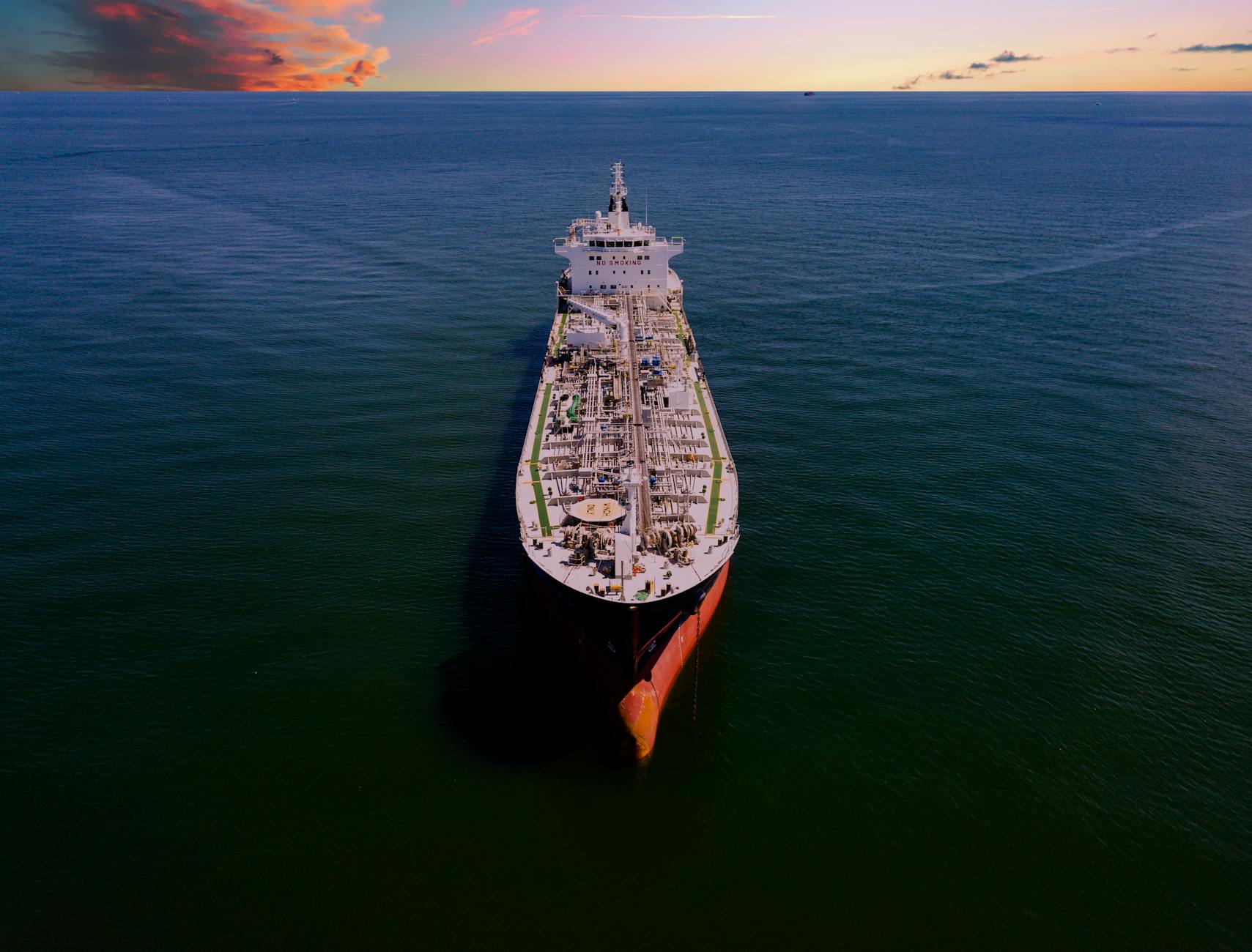
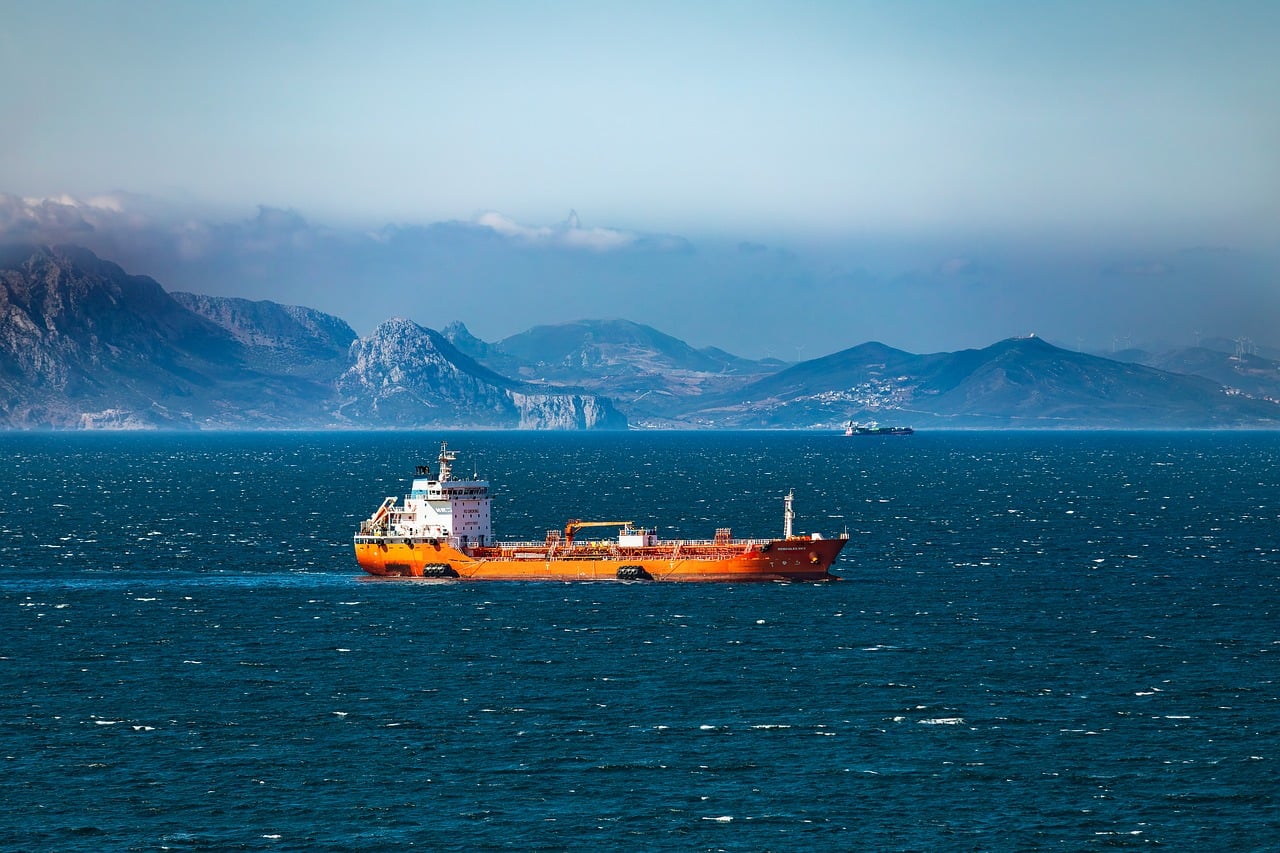
Tim Waterer, chief market analyst at KCM Trade, said positioning had already swung behind the idea that diplomacy could free vessels waiting around the chokepoint. As he put it, “Traders are betting heavily that a breakthrough will finally free up the long-paralyzed tankers stuck in and around the Strait of Hormuz.”
If that trade starts to unwind, crude can pick up a war premium quickly, even before there is firm evidence of broader disruption to flows. If diplomacy survives, the reverse also applies. Barrels that had been priced as delayed begin to look movable again.
That is the part traders are still testing.
What traders can verify
For now, the verifiable facts are narrower than the rhetoric. Reuters’ report on the strikes said U.S. forces hit Iranian boats and missile launch sites, a material escalation for a market that had only just started to imagine smoother transit through Hormuz. At the same time, Rubio’s weekend comments kept alive the case that Washington still wanted an arrangement that could ease passage through one of the world’s most sensitive energy routes.
The market response was cautious rather than disorderly. Brent held near $98 instead of giving back the earlier rebound, while WTI pointed lower in shorter-dated trading. That suggests traders were no longer treating diplomacy as a straight line. They were weighing hopeful language against the fact that ships, cargoes and insurers still need a workable settlement before the strait can trade without a geopolitical discount.
Rubio’s wording mattered because it gave the market a usable benchmark. Oil does not need a full regional reset to fall from here. It needs credible evidence that passage through Hormuz is becoming easier to schedule and clear. Until that appears, military action is likely to carry more weight than diplomatic aspiration, even when both arrive from Washington in the same news cycle.
Trump’s harder condition reinforced that point. His warning that any accord had to work on U.S. terms made it harder to assume that a single upbeat headline would reopen shipping smoothly. That helps explain why Brent stayed firmer even with negotiations still in the story.
Beyond crude, the latest strikes matter because they put Middle East supply risk back into inflation and freight assumptions just as those pressures had begun to ease. For now, traders appear to want proof rather than promise before they price in a durable Hormuz normalization. Until then, oil is likely to keep swinging between diplomacy headlines and renewed war risk.
Reza Najjar
Commodities desk covering oil, natural gas, gold and base metals. Reports from London.