Strait of Hormuz shipping risk rises after U.S. strikes
Strait of Hormuz shipping risk rose after U.S. strikes on Iran followed a container-ship attack, keeping Brent at $76.01 and tanker traffic in focus.
Brent crude stood at $76.01 a barrel, and U.S. crude was at $71.41, after the United States launched fresh strikes on Iran over a container-ship attack in the Strait of Hormuz. The waterway carries about one-fifth of global oil and liquefied natural gas trade. That is why a military exchange there moved quickly into the crude market.
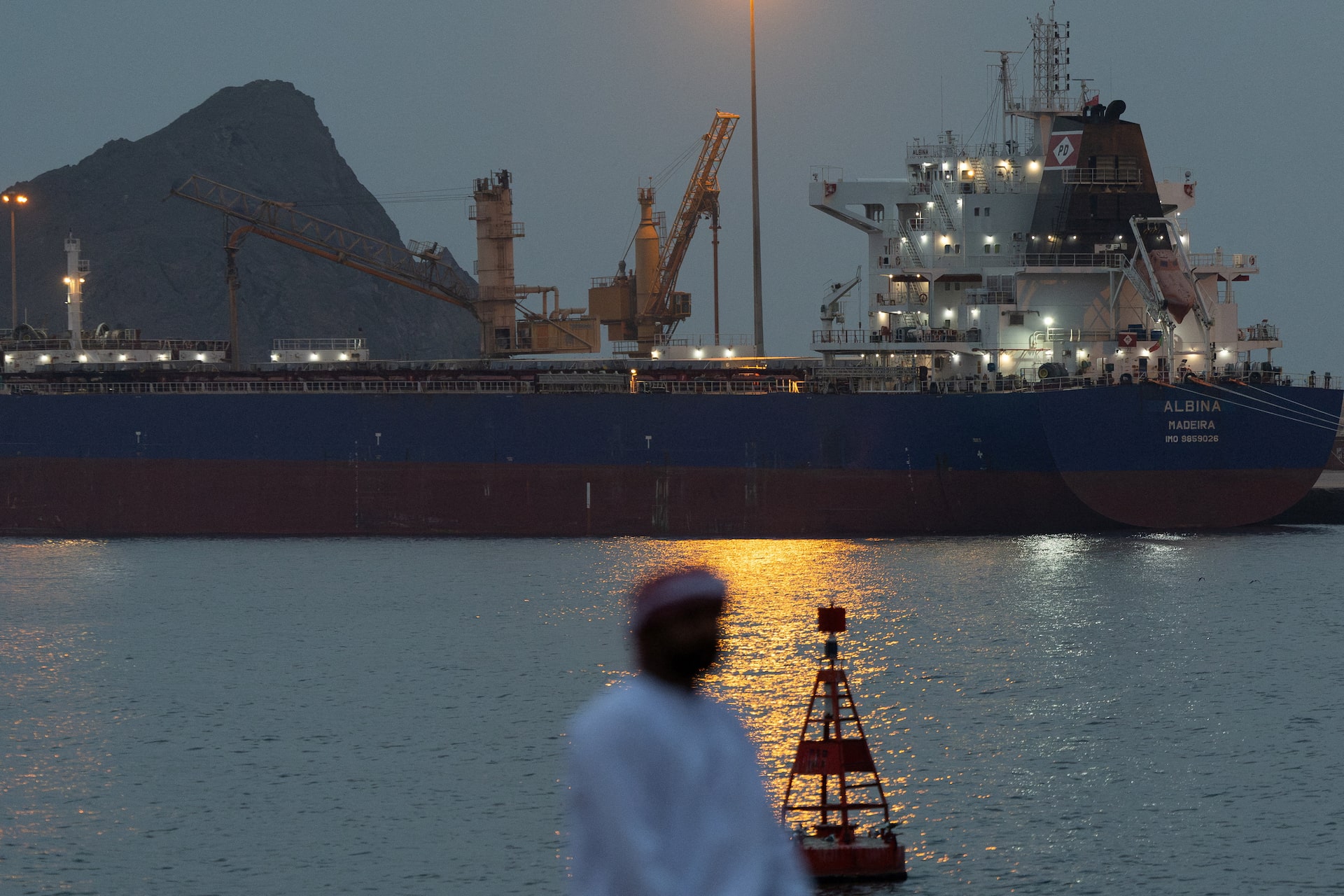
CNBC’s Pentagon account said Washington struck Iranian targets after Tehran attacked a commercial vessel using the southern lane off Oman’s coast. Axios reported that Iran had been pressing ships to leave that U.S.-protected route and use a northern passage closer to Iranian waters. To the oil market, the route dispute is the main point: tanker and container traffic can be disrupted before any formal blockade appears in export data.
In Financial Times reporting, the latest exchange followed several days of attacks around the strait and renewed doubt over whether a fragile pause in hostilities had already failed. Tehran’s threat to close Hormuz did not need to stop all shipping to matter. It raised the risk of higher freight charges, dearer war-risk insurance and route changes that would feed into crude prices.
Axios’s report cited CENTCOM as saying the U.S. response was aimed at Iran’s shipping attack capacity.
“The United States is imposing a heavy cost by continuing to degrade Iran’s ability to attack civilian mariners and commercial ships freely transiting the strait.”
CENTCOM, via Axios
For markets, that phrasing narrows the issue. Washington is framing the operation around commercial passage, not only deterrence on land. If that objective fails, the cost shows up first in shipping schedules and insurance quotes, then in crude benchmarks.
Shipping risk, not just headlines
Maps now matter as much as strike counts. The Washington Post reported on July 9 that U.S. forces had already hit 90 Iranian targets along the coast in an earlier wave intended to curb attacks on commercial shipping. CNBC reported a day earlier that an earlier U.S.-Iran understanding had begun to fray after tanker harassment and route disputes. The latest exchange moved that story from threatened disruption to an actual strike on a container ship.
The practical signal is traffic. The New York Times reported this week that ships were still getting out of the Gulf, which had helped ease oil prices. But FT reporting on traffic between July 3 and July 10 showed vessel speeds and crossings slowing as captains and operators reassessed the risk. Slower traffic, rerouting and missing crew already imply a cost even before any formal blockade takes hold.
Tehran added to that risk with its own language. Axios reported that the IRGC said the strait would be closed until further notice after the incident, while U.S. defense secretary Pete Hegseth said on X that Tehran had made a poor choice and would pay. The gap between those statements is what oil buyers must price. One side is threatening to narrow access. The other is promising to keep the lane open by force.
Why crude is not in full panic
Prices still suggest a wait-and-see market, not one trading as if supply has already been lost. Brent at $76.01 and WTI at $71.41 are high enough to show a live risk premium. They do not yet signal the scramble normally associated with a shut shipping artery. Traders are pricing fragility, not full physical interruption.
The lane off Oman’s coast is the test. It is the route the U.S. has tried to secure for commercial traffic and the route Iran has tried to make less usable. Financial Times reporting and CNBC’s latest account both point to that corridor as the immediate fault line. If ships keep moving there, crude can stay below panic levels. If owners refuse it, the premium can widen quickly.
For now, Hormuz has become tradable risk again. The question for markets is no longer only whether Washington and Tehran can restore a truce. It is whether attacks on merchant shipping force a measurable change in tanker traffic, insurance costs and loading patterns through the world’s most important oil chokepoint. That is where a military escalation becomes a commodities story.
Reza Najjar
Commodities desk covering oil, natural gas, gold and base metals. Reports from London.