India inflation hits 4.38% in June as oil, food costs rise
India inflation rose to 4.38% in June, topping forecasts as oil, transport and food costs climbed, adding pressure to the RBI outlook.

India’s consumer inflation accelerated to 4.38 per cent in June from 3.93 per cent in May, government data showed on Monday, topping economists’ forecasts as food, fuel and transport costs climbed.
For the Reserve Bank of India, the surprise leaves less room to treat the latest price pressure as noise. It shows the Hormuz-linked oil shock moving out of crude futures and into household bills in one of Asia’s largest energy importers.
Food inflation on the All India Consumer Food Price Index rose to 5.32 per cent in June. Transport inflation accelerated to 4.3 per cent from 1.75 per cent in May, the Ministry of Statistics and Programme Implementation said. The combination matters because the pressure is no longer confined to one volatile line in the basket.
CNBC reported that June was the eighth straight month of rising inflation and that the reading came in above forecasts. Investors will watch whether fuel costs, freight bills and weather-linked food prices are beginning to reinforce one another inside the domestic basket. A one-month overshoot can be forgiven; an eighth consecutive monthly increase is harder to dismiss.
Oil and monsoon pressure
Weather added a second source of risk. Crisil said, “Following a parched June, the monsoon advanced rapidly, reducing the all-India rainfall deficit from 40% to 15% as of July 8,” according to CNBC.
Crisil also warned that sharp swings in rainfall “can be as disruptive to agriculture as a weak monsoon itself.” Food prices can stay exposed even when headline rainfall improves, since sowing, logistics and local supply are vulnerable to abrupt changes in local weather.
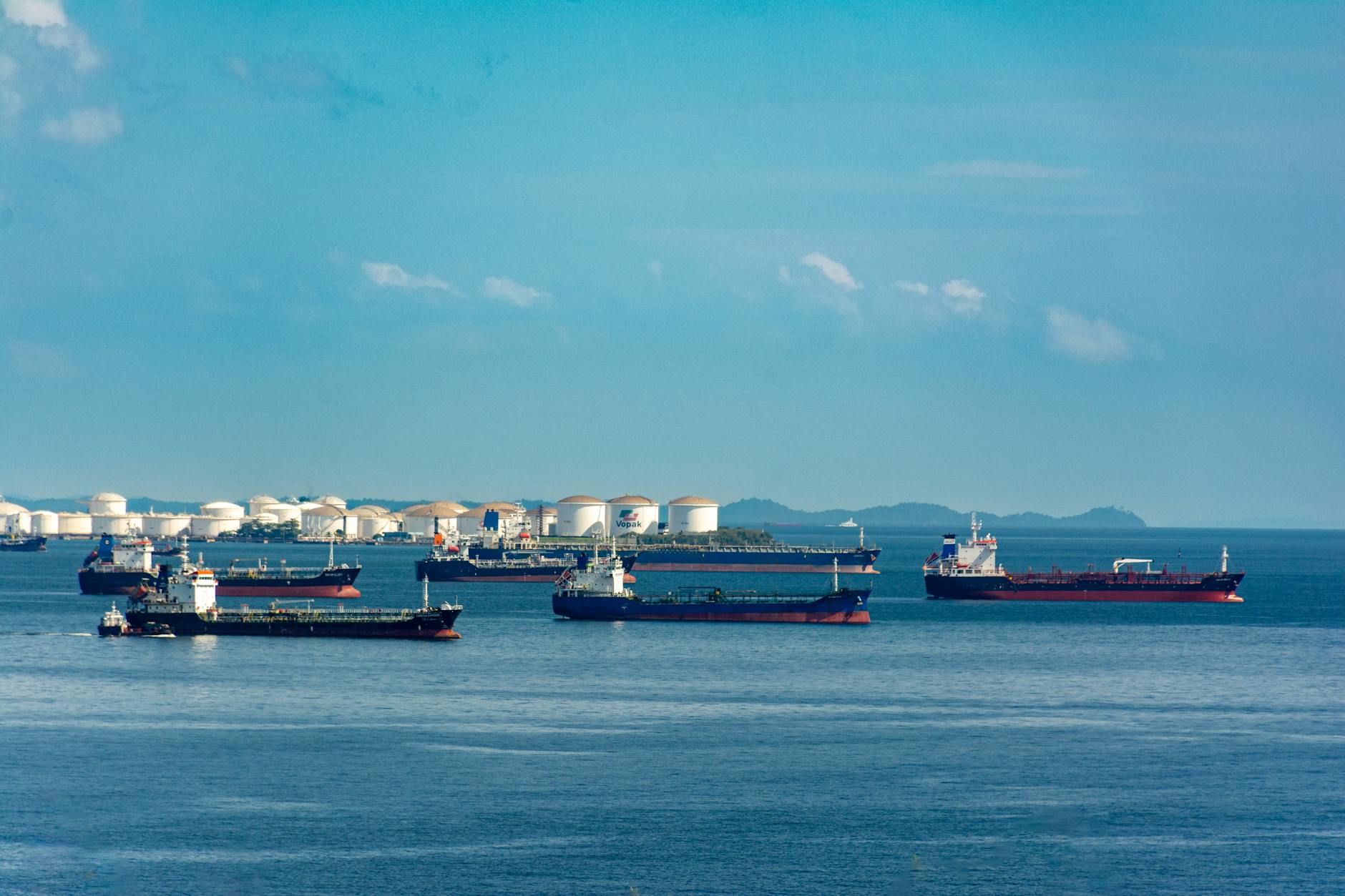
Import exposure makes the oil shock harder for India to wall off. CNBC said the country imports nearly 85 per cent of its fuel needs, while about half of its crude imports, 60 per cent of LNG and almost all LPG move through the Strait of Hormuz. Higher insurance, freight or shipping costs would pass through after the first move in oil futures has faded from market screens.
What the RBI sees
Before the latest CPI release, the Reserve Bank of India had already signalled that inflation was likely to rise and growth to moderate in the financial year ending March 2027. CNBC said the central bank’s inflation forecast stands at 5.1 per cent for that period, with core inflation pegged at 4.7 per cent. A June surprise moving from fuel into food and transport argues for a longer pause.
At 4.38 per cent, the headline rate remains below the RBI’s 5.1 per cent forecast for the year ending March 2027. The direction is less comfortable. When food and transport are both accelerating, waiting for quick mean reversion becomes a riskier policy bet.
The trade channel now matters as much as the CPI table. Semafor reported that renewed US-Iran strikes pushed oil prices higher and drove traffic through the Strait of Hormuz to its lowest level in weeks. For an importer that relies heavily on Gulf energy flows, the inflation story and the external-balance story are two readings of the same shock.
Earlier this week, Semafor reported that the IMF cut its 2026 global growth outlook because higher energy prices from the Iran conflict were dragging on activity and driving inflation. India’s CPI release is the country-level version of that warning.
For other emerging-market central banks, the lesson is narrower and less theoretical than it was when the shock sat mostly in oil markets. India’s June data do not by themselves force a tighter RBI turn, but they narrow the room for quick easing if fuel and food pressure continue to leak into transport costs and consumer expectations. A pause does not lower oil prices, but it gives policymakers time to test whether monsoon disruption and freight costs fade before expectations move.
Helena Brandt
Macro reporter covering the Federal Reserve, ECB, inflation prints and jobs data. Reports from Washington.