Asia energy shock is turning into a currency and growth test
Asia energy shock is pushing oil-importing economies into weaker currencies, higher inflation and tougher subsidy choices as growth slows.
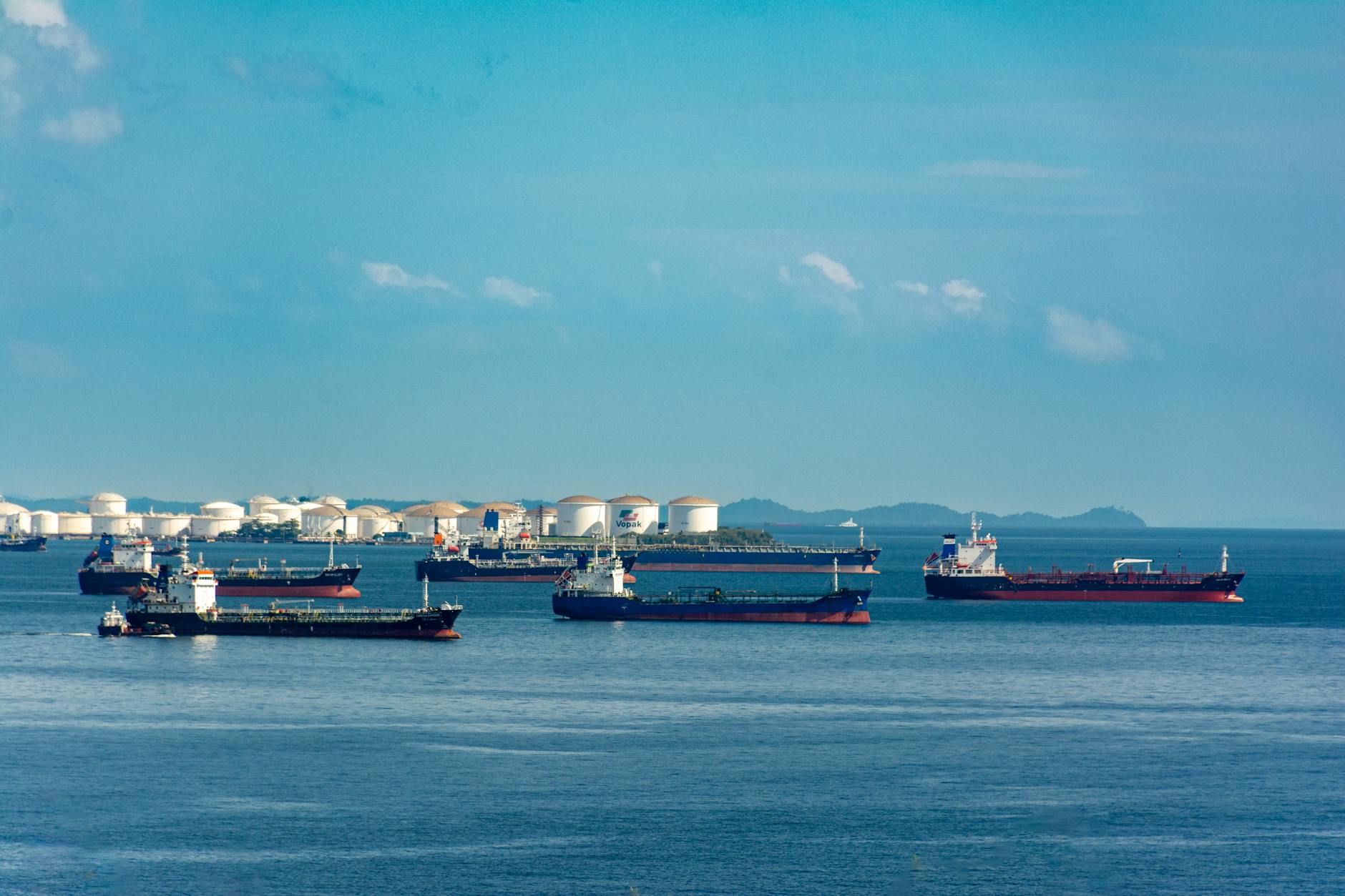
Oil shocks rarely remain confined to the energy column. Across South and South-east Asia, the Iran conflict is lifting fuel-import bills and forcing policymakers into a harder choice than crude prices alone suggest. The first market warning is not headline inflation but currency weakness, pricier hedges and mounting pressure to choose between supporting growth and protecting exchange rates. Even if Donald Trump says a deal to reopen the Strait of Hormuz is “largely negotiated”, finance ministries from New Delhi to Manila still have to fund this quarter’s import bill.
A crude-only reading misses the broader pattern. The Financial Times described the hit as a macro spillover problem for oil-poor economies, and the ISEAS-Yusof Ishak Institute came to a similar conclusion. The key variable is not simply how much oil a country buys. It is whether that bill sits on top of thin buffers, a wide current-account gap and little room to pass higher fuel prices through quickly. In those circumstances, the same Brent shock can look manageable in one market and destabilising in another.
For households and small firms, the adjustment is already visible. BBC Business reported that Narendra Modi has urged Indians to use less fuel, buy less gold and curb unnecessary foreign travel, a public sign that imported energy costs are shaping behaviour before the worst inflation prints arrive. Critics of broad relief make the counterpoint just as quickly. It may soften the blow at the pump, but it also delays the price signal and shifts stress to public finances.
“We have not seen the impact in the last two months of the Middle East war … It’s coming and its coming big.”
— Uday Kotak, veteran Indian banker, via BBC Business
The problem therefore runs beyond the usual crude-price story. Regulators can spend reserves, jawbone currencies and trim fuel taxes for a time. They cannot sustain all three without weakening something else. India still has about $690bn in foreign-exchange reserves and imports roughly 90 per cent of its crude oil needs, but even that buffer looks less comfortable when the shock is also running through fertiliser, shipping and power.
The currency warning
The clearest market warning now sits in foreign exchange. Reuters reported that Asia buys about 80 per cent of the oil shipped through the Strait of Hormuz, so the region absorbs the price spike early and at scale. Currencies from the rupee to the Philippine peso start acting as shock absorbers well before consumer-price indices catch up. For central banks, that matters because a weaker currency quickly raises the local cost of fuel, freight and food.

“The room to lean aggressively against further pressure looks increasingly limited.”
— Chandresh Jain of BNP Paribas, via Reuters
ING and ISEAS both suggest that the hit will land unevenly. Economies with large oil and gas import bills, thin external buffers or heavy subsidy commitments face the quickest deterioration, while countries with stronger current-account positions or more direct commodity upside have more room to wait. In that sense, this looks less like a single Asian crisis than a sorting mechanism between states that can finance a temporary shock and those that must manage a prolonged squeeze.
For investors, the dividing line is between strain and breakdown. A weaker currency can cushion growth for exporters if the energy bill stays manageable. It becomes destabilising when it collides with subsidised domestic fuel, a current-account gap and large food imports. In one market the same oil price can look like a terms-of-trade gain; in another it reads as a balance-of-payments warning. The regional label conceals that split.
Policy makers still face a choice between defending currencies with rates and accepting more pass-through to prices. So far, the answer looks cautious. The Hindu BusinessLine reported that the Reserve Bank of India is not inclined to raise rates simply to defend the rupee. That stance makes sense if officials still expect the energy shock to fade. It becomes harder to hold if currency weakness feeds inflation faster than wage growth can keep up.
Subsidies buy time
This is where opponents of broad subsidies make their strongest case. Fuel subsidies and tax relief do buy governments time, especially when leaders want to avoid a visible jump in pump prices. Yet ICRIER’s assessment of India’s post-war fuel-price controls and IEEFA’s warning on South-east Asia’s subsidy burden point to the same trade-off: the more broadly governments shield consumers, the more they widen the fiscal hole and preserve demand for imported fuel that has suddenly become much more expensive.

Temporary calm on retail prices can be deceptive. A government can suppress pump costs for a few weeks and still worsen the medium-term picture if the bill later appears in higher borrowing, weaker currencies or delayed monetary tightening. In India, Nomura’s forecast for a 4.6 per cent fiscal deficit by March 2027 versus a 4.3 per cent budget target suggests that even a large economy with deep domestic financing markets cannot neutralise an imported energy shock at no cost.
“What was initially seen as a temporary shock could now turn into a prolonged crisis.”
— Rajeswari Sengupta, economist at the Indira Gandhi Institute of Development Research, via BBC Business
Her warning shifts the debate from price levels to duration. If oil stays high for a few weeks, broad relief may still look politically rational. If the shock lasts for months, the same policy starts to look regressive, fiscally loose and economically self-defeating. Governments are then left choosing which pain to make visible: higher pump prices today, or slower growth and weaker public finances later.
When growth gives way
Over time, the story shifts from prices to demand. ADB scenario work, cited by BusinessWorld estimated that a year-long disruption could cut developing South-east Asia’s growth by 2.3 per cent and lift inflation by 3 percentage points. The effect does not stay inside ministries and trading desks. It moves into airline fares, electricity bills, food transport and the working capital of small manufacturers, precisely the channels the user-affected perspective has been flagging since the start of the crisis.
Signs of that shift are already appearing at the margin. A Philippines report on MSME price hikes and delays showed smaller businesses struggling to absorb higher transport and input costs, while DW’s reporting on fuel stress in India underscored how quickly energy inflation can spill into poverty and consumption. Once that shift begins, the debate is no longer about whether reserves are adequate. It is about how much demand destruction policymakers will accept in order to regain stability.
Officials still hope that any Hormuz settlement arrives before those second-round effects harden. Even if shipping lanes reopen cleanly, this episode has already exposed the hierarchy of vulnerability in oil-importing Asia. The economies now under pressure are not only paying more for crude. They are also revealing how much policy room they truly have when inflation, currencies, subsidies and growth all come under strain at once. That is why the Asia energy shock looks less like a temporary commodity spike than a test of how resilient the region’s import-dependent growth model really is.
Helena Brandt
Macro reporter covering the Federal Reserve, ECB, inflation prints and jobs data. Reports from Washington.