Weak rupee 2026: India's oil shock masks deeper strain
Weak rupee pressure is turning India's oil shock into a capital-flow test as RBI defence, import costs and reserves strain collide.
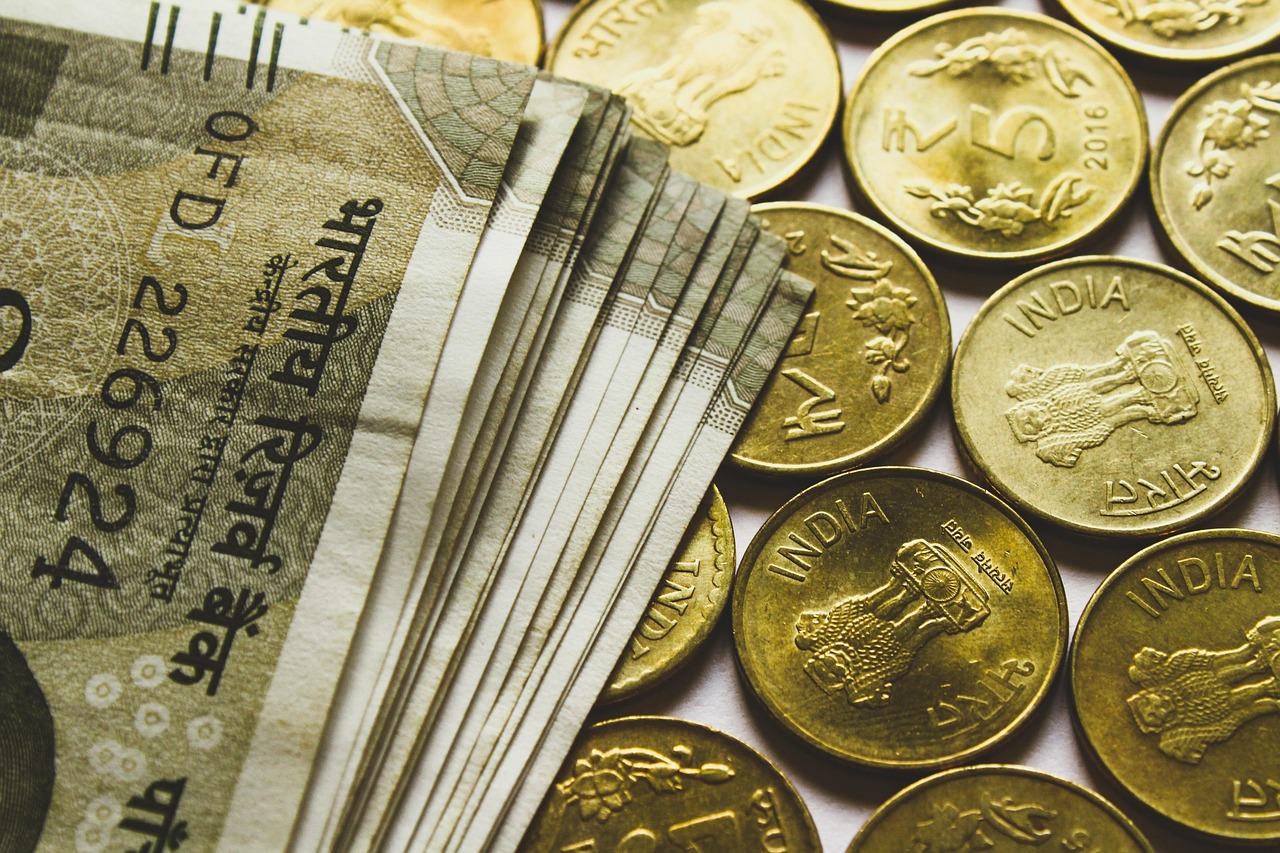
India’s rupee closed at 95.0875 per dollar on May 4, a record low that turned a familiar oil-price worry into a broader test of India’s macro story.
The first explanation is obvious enough. India imports about 90 per cent of its crude oil, so higher energy prices widen the import bill, lift dollar demand and put pressure on the currency. But the weak rupee is not only an oil trade. Bloomberg’s account of the latest slide framed the harder question: why a country growing faster than most peers has seen its currency fall every year since 2018.
That is where the story moves from commodity shock to capital-flow signal. Bank strategists can point to crude. Policymakers at the Reserve Bank of India can point to intervention and reserves. Households can point to fuel, gold and foreign travel. Long-term investors are looking at the same pressure and asking whether growth alone still buys the external confidence it once did.
The rupee’s weakness is exposing a gap between India’s headline expansion and the foreign-capital arithmetic needed to fund it. Faster GDP does not automatically produce a stronger currency if imports rise, residents move more money abroad and foreign investors demand more proof that returns will compensate for risk. Growth helps. It does not settle the balance-of-payments ledger.
Oil was the spark
Oil is still the immediate channel through which the Middle East shock hit India. The country’s import dependence means every rise in crude prices pulls more dollars out of the system, especially when the currency is already under pressure and exporters are not bringing in enough offsetting flows.

That makes the rupee a cleaner market read than some domestic indicators. Fuel taxes, subsidies and administered prices can delay the household hit. Currency markets do not wait. Reuters reported that the rupee’s May 4 closing low came as crude prices and offshore maturities weighed on demand for dollars, with the outlook still bearish even after brief bouts of oil relief.
The domestic lag matters. If fuel and food costs take time to filter through, the first-round political instinct is to cushion consumers. That may be rational in the short run. It also keeps demand for imported energy from adjusting quickly, leaving the currency to absorb more of the shock.
Uday Kotak, the veteran Indian banker, warned in comments carried by BBC Business that the delayed pass-through was part of the danger.
“We have not seen the impact in the last two months of the Middle East war in terms of energy price transmission… It’s coming and its coming big and consumers have not felt the pressure at all,”
— Uday Kotak, quoted by BBC Business
Kotak’s warning is not only about petrol prices. It is about a policy trade-off. Keeping consumers insulated from the full import shock can reduce near-term pain, but it also leaves the external account doing more work. Rahul Ahluwalia, another commentator quoted by BBC Business, put the same point more bluntly.
“Consumers cannot and should not be completely insulated from global supply shocks, because that will cause even more pain later.”
— Rahul Ahluwalia, quoted by BBC Business
The RBI can buy time
The RBI’s problem is that the currency market already knows the oil story. What it is testing is how much defence the central bank is prepared to mount, and whether that defence changes the underlying incentives for capital to stay in India.
Reuters reported that the RBI’s roughly $1 billion-a-day currency intervention struggled to reverse the tide in late May. That is a large signal, not a magic line. Intervention can smooth a disorderly move, punish one-way speculation and prevent a weak currency from becoming a self-reinforcing panic. It cannot make oil cheaper or force foreign portfolio investors to prefer rupee risk.
This is why the policy debate has moved beyond spot intervention. Bloomberg reported that Indian officials were weighing measures including a rate hike, swaps and tighter currency controls as the rupee slumped. Citi strategists separately saw the possibility of tighter controls to bolster reserves. Those measures would be more forceful than a routine dollar sale. They would also be more revealing.
A rate hike would defend the currency by making rupee assets more attractive, but it risks tightening financial conditions into an economy already dealing with imported inflation. Currency controls may slow outflows, but they can also tell global investors that exit risk has risen. Useful in a squeeze. Costly if overused.
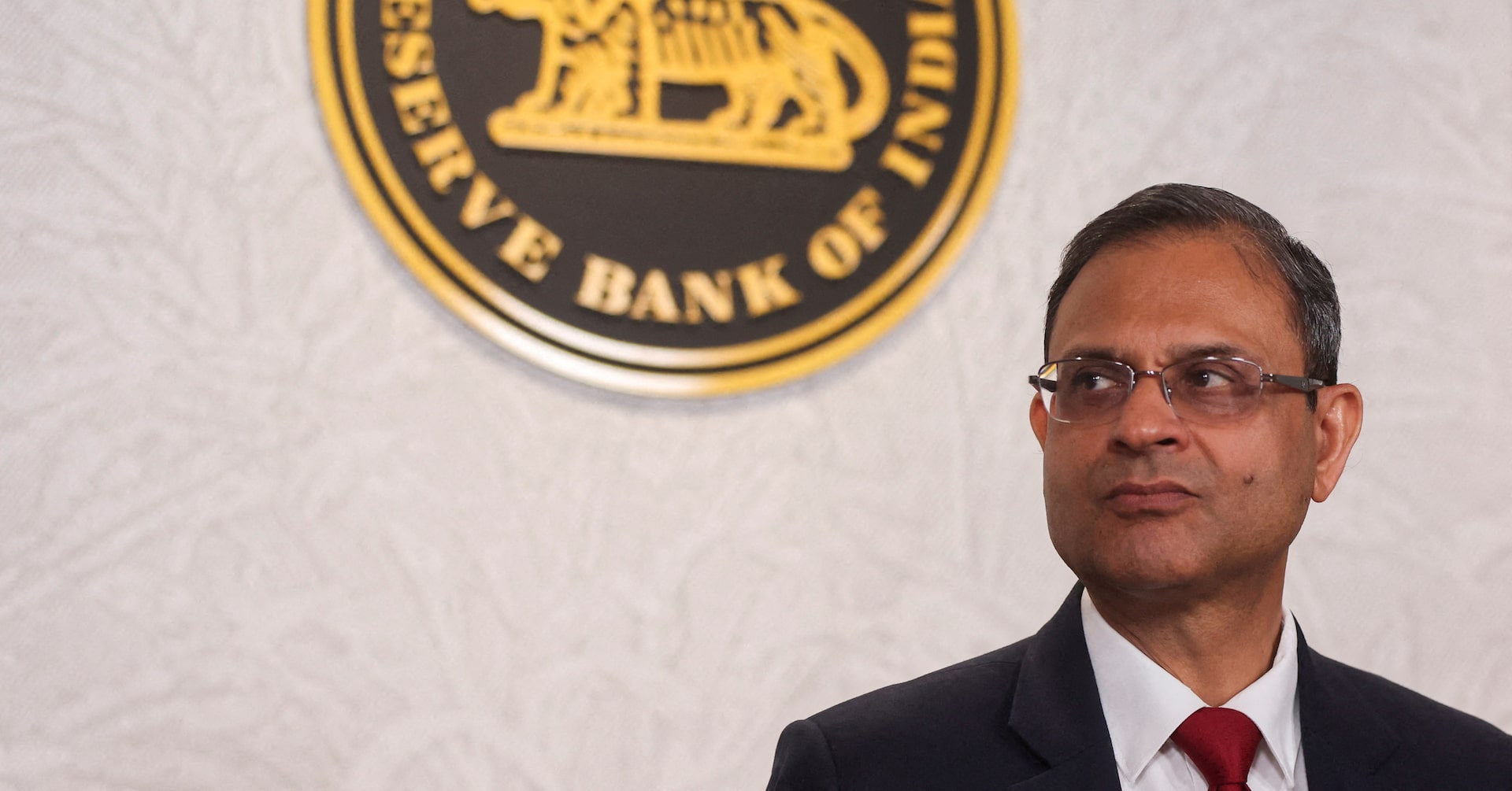
Sanjay Malhotra, the RBI governor, has tried to frame the rupee as potentially undervalued rather than broken, according to Bloomberg’s report on his comments. That is what a central banker can credibly say when reserves are still ample. India’s stock of foreign-exchange reserves, cited by BBC Business at about $690bn, gives the RBI room to lean against pressure.
Room is not the same as immunity. BBC Business also cited a $38bn fall in reserves since the Iran war began. If that pace reflected sustained defence rather than valuation noise, the market would start measuring the buffer differently. One week of intervention reassures. Repeated weeks invite a new question: what level of the rupee is the central bank actually defending?
Households enter the trade
Currency stories often sound abstract until the domestic behaviour changes. India is getting closer to that point. Prime Minister Narendra Modi’s call for Indians to buy less gold and take fewer foreign holidays turned the rupee’s slide into a household-economy issue, not just a dealer-screen move.

The appeal has a clear external-account logic. Gold imports absorb dollars. Foreign travel spends dollars. Energy imports do the same at a much larger scale. If residents reduce discretionary dollar demand, the pressure on reserves and the currency eases at the margin. CNBC reported that war-driven disruptions and Modi’s appeal were aimed at supporting India’s hospitality sector and conserving foreign exchange as import costs rose.
But the politics are awkward. A currency adjustment that asks households to absorb higher fuel prices, avoid foreign trips or buy less gold is no longer just macro management. It becomes a test of how much pain a fast-growing economy can ask consumers to take in order to protect the balance of payments.
The answer matters because India’s growth story has partly relied on confidence that domestic demand can keep expanding while investment and services exports deepen. If the rupee shock starts to restrict consumption choices, it complicates that narrative. Less gold buying may help reserves. Less travel may help the current account. Neither is a substitute for durable foreign investment.
Growth is not enough
The more important signal is not that the rupee fell during an oil shock. It is that the currency had already been weakening in years when India’s growth premium was the central selling point. That should make investors careful about treating the latest slide as a temporary war-risk repricing.
The Guardian’s analysis of India’s Iran shock argued that the external strain shows how Asia’s older assumptions about energy, trade and growth are starting to fracture. That is a strong claim, but it captures the market tension: India can be a high-growth economy and still face a currency problem if its external financing mix deteriorates.
Foreign direct investment is part of the test. Portfolio flows can move quickly when oil prices rise or US yields shift. FDI is supposed to be stickier. If it softens while residents and companies look outward for assets and opportunities, the rupee begins to trade less like a short-term oil proxy and more like a verdict on India’s ability to convert growth into investable returns.
Bloomberg’s history reference to the 2013 taper-tantrum playbook is useful here. Then, India’s problem was an external deficit meeting a global rates shock. The policy answer involved tightening, administrative measures and a push to rebuild credibility. The 2026 version is different in detail, but the logic rhymes. Currency pressure forces a country to choose between smoothing the market move and accepting the adjustment that restores confidence.
That choice is sharper when the economy is still expanding. Weak growth gives policymakers an obvious reason to protect domestic demand. Strong growth gives them a different temptation: assume investors will look through the currency pressure because the long-term story remains intact. The rupee is saying that assumption needs work.
What the rupee is pricing
The cleanest reading is that the market is pricing three risks at once. First, oil has made India’s dollar demand more expensive. Second, the RBI’s defence can slow depreciation but not remove the external shock. Third, India’s growth premium is being asked to offset softer capital flows and a more expensive import bill.
None of that means a balance-of-payments crisis is the base case. India has reserves, policy tools and a domestic economy with scale. It also has a central bank willing to use its balance sheet and a government aware that currency weakness can become political quickly.
The risk is subtler. A weak rupee can become a slow tax on the growth narrative. It raises imported-cost pressure, forces harder choices on consumers, narrows the policy room for rate cuts and makes foreign investors more sensitive to exit costs. Bad for the currency. Worse for confidence.
That is why the oil shock is only the opening chapter. If crude prices fall and the rupee still struggles, the market’s message will be harder to dismiss. It will mean investors are not merely reacting to the import bill. They are repricing the terms on which they are willing to fund India’s next stage of growth.
Sloane Carrington
Markets columnist. Analytical pieces and deep-dives on monetary policy, capital flows and corporate strategy. Reports from New York.