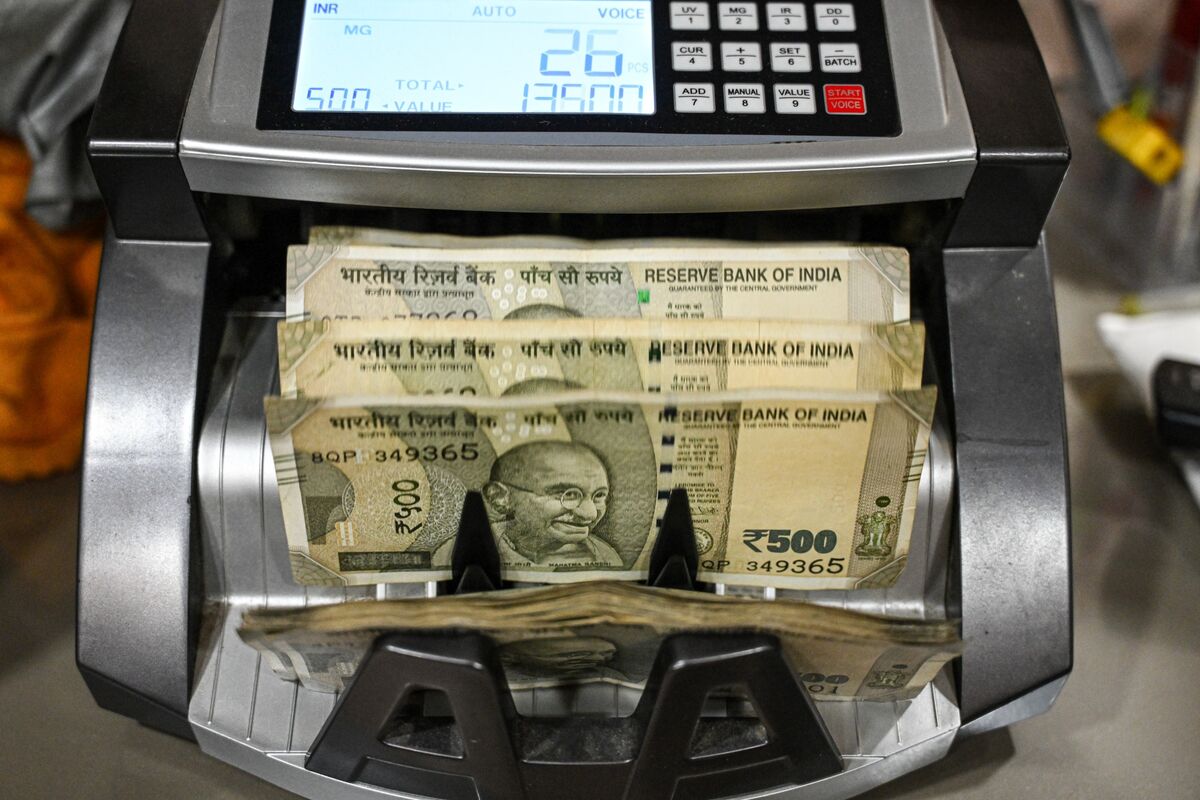
India RBI holds rate at 5.25% as rupee defense widens
India RBI holds rate at 5.25% while rupee measures seek $30bn-$50bn of inflows as oil pressure lifts inflation and growth risks.
India’s central bank kept its benchmark repo rate at 5.25 per cent on Friday and matched the hold with measures to draw in foreign capital, putting the rupee at the centre of its policy response after the currency slid to record lows.
The Reserve Bank of India’s Monetary Policy Committee kept the repo rate at 5.25 per cent while raising its inflation forecast and trimming its growth view, Reuters reported. The rupee weakened 0.6 per cent to 95.24 per dollar after the decision, with higher oil prices and softer foreign inflows adding pressure.
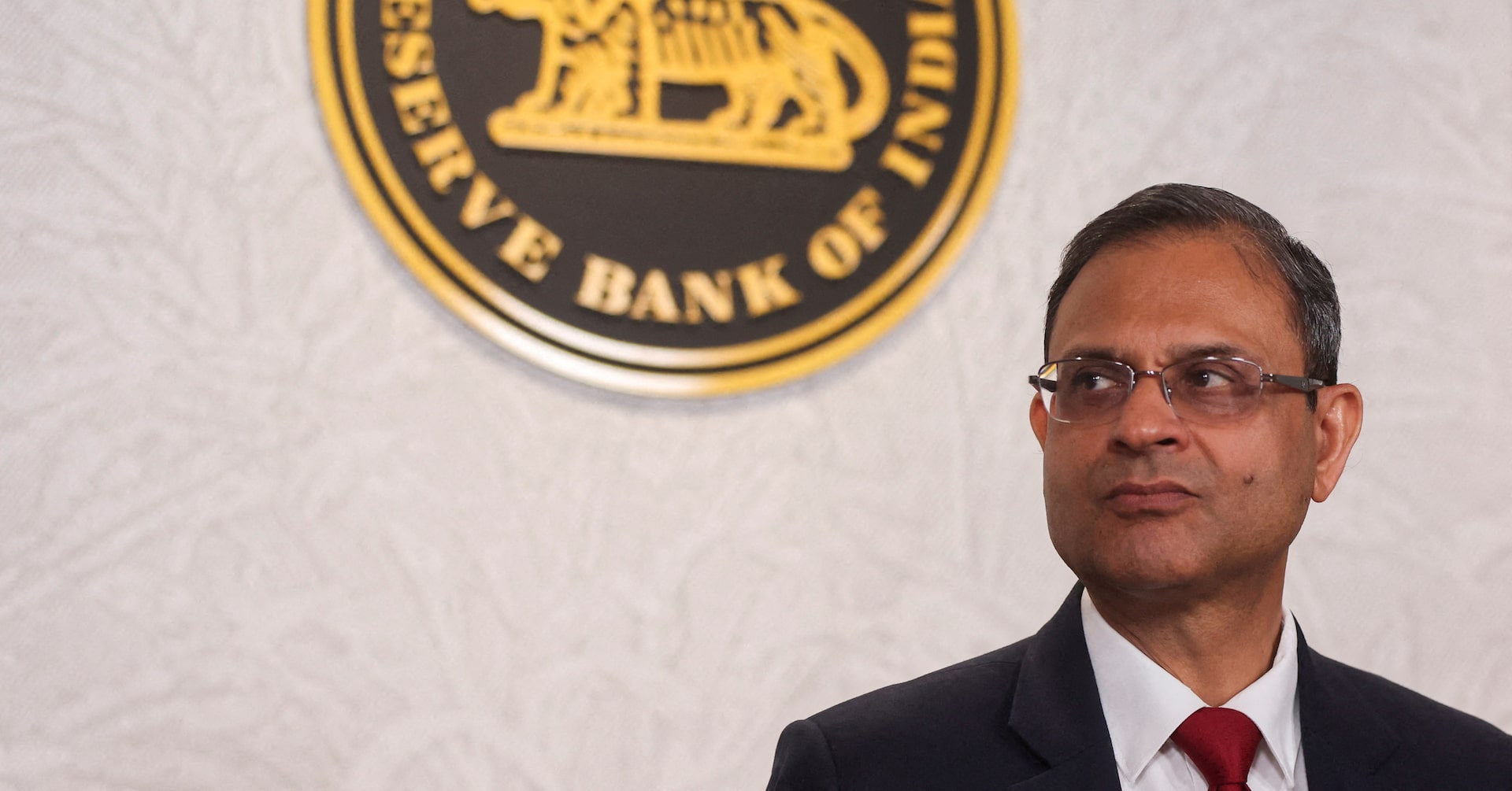
The pause came with a warning. RBI Governor Sanjay Malhotra said policymakers would defend orderly markets without turning the policy rate into a currency weapon. Bloomberg said the central bank and government announced tax relief on foreign bond holdings, broader access to government securities and a concessional foreign-exchange swap facility.
Malhotra put the message bluntly: “We shall remain vigilant, and we are fully prepared, as mentioned earlier, to do whatever it takes to preserve an orderly market conditions.”
The warning, reported by Bloomberg, points to the policy split now facing India. Imported energy costs argue for caution. Domestic growth still gives the central bank room not to tighten again.
Rupee pressure
Officials aimed the package at widening the foreign-investor funnel, not shocking demand through higher rates. Bloomberg cited estimates that the steps could attract $30bn to $50bn of fresh dollar inflows, a material cushion for a current-account importer when oil is moving against the currency.
India’s inflation problem is increasingly external. Reuters said the RBI lifted its inflation forecast to 5.1 per cent and cut its growth estimate to 6.6 per cent, reflecting higher crude costs and the risk that a weaker rupee feeds into import prices. For a central bank that spent the past year trying to preserve growth momentum, the exchange rate has become the tighter constraint.
Bond investors got a narrower signal. A rate hold protects growth-sensitive borrowers from an immediate tightening shock. Tax relief on foreign bond holdings tries to improve the reward for overseas accounts taking rupee duration. That keeps the adjustment closer to the capital-flow channel officials are trying to repair.
Malhotra told reporters the committee preferred to wait for more evidence before moving rates again. “Although risks of higher inflation have amplified, the MPC felt it would be prudent to wait for greater clarity to emerge,” he said, according to Reuters.
The hold also avoids implying that every bout of rupee weakness will be met with rate defence. Nomura Holdings Inc. economist Sonal Varma drew that line after the decision. “The RBI has rightly chosen to not use policy rates to defend the currency,” Varma said in comments carried by Bloomberg.
Policy trade-off
Investors now have to judge whether the inflow measures can work before oil pressure shows up more clearly in prices. India’s rate hold still leaves real yields positive if inflation stays near the RBI’s new forecast. The currency path will test that cushion if crude remains elevated or global dollar demand strengthens.
Rather than lift the benchmark rate, the RBI is leaning on its balance sheet. Tax relief on bond holdings is meant to make rupee debt more attractive to overseas investors, while wider government-securities access lowers friction for foreign accounts that want duration exposure. The swap facility gives banks another channel to manage dollar liquidity without pushing the policy committee into a defensive hike.
These tools buy time. They do not change India’s import bill or global risk appetite. If oil prices keep rising, the next inflation print could narrow the space for patience.
For now, the rupee is the stress point the RBI wants to manage first. Rates stay on hold, the growth forecast remains above 6 per cent, and the currency is being defended through capital-flow plumbing rather than a blunt tightening cycle.
Helena Brandt
Macro reporter covering the Federal Reserve, ECB, inflation prints and jobs data. Reports from Washington.