Temasek still treats crypto as a governance scar
Temasek crypto stance after FTX still shapes where sovereign money will go, even as the fund lifts its AI target to 15 per cent.

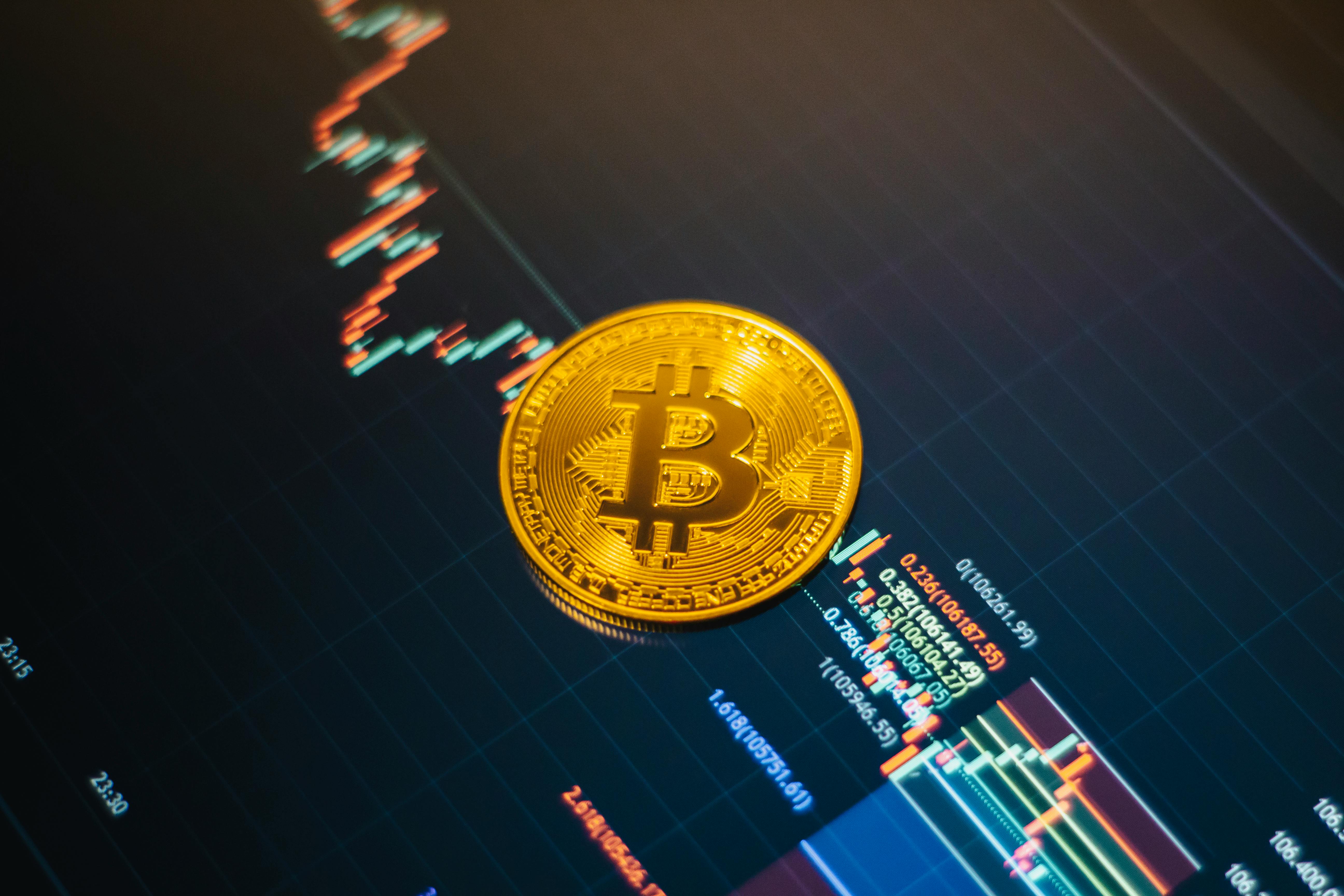
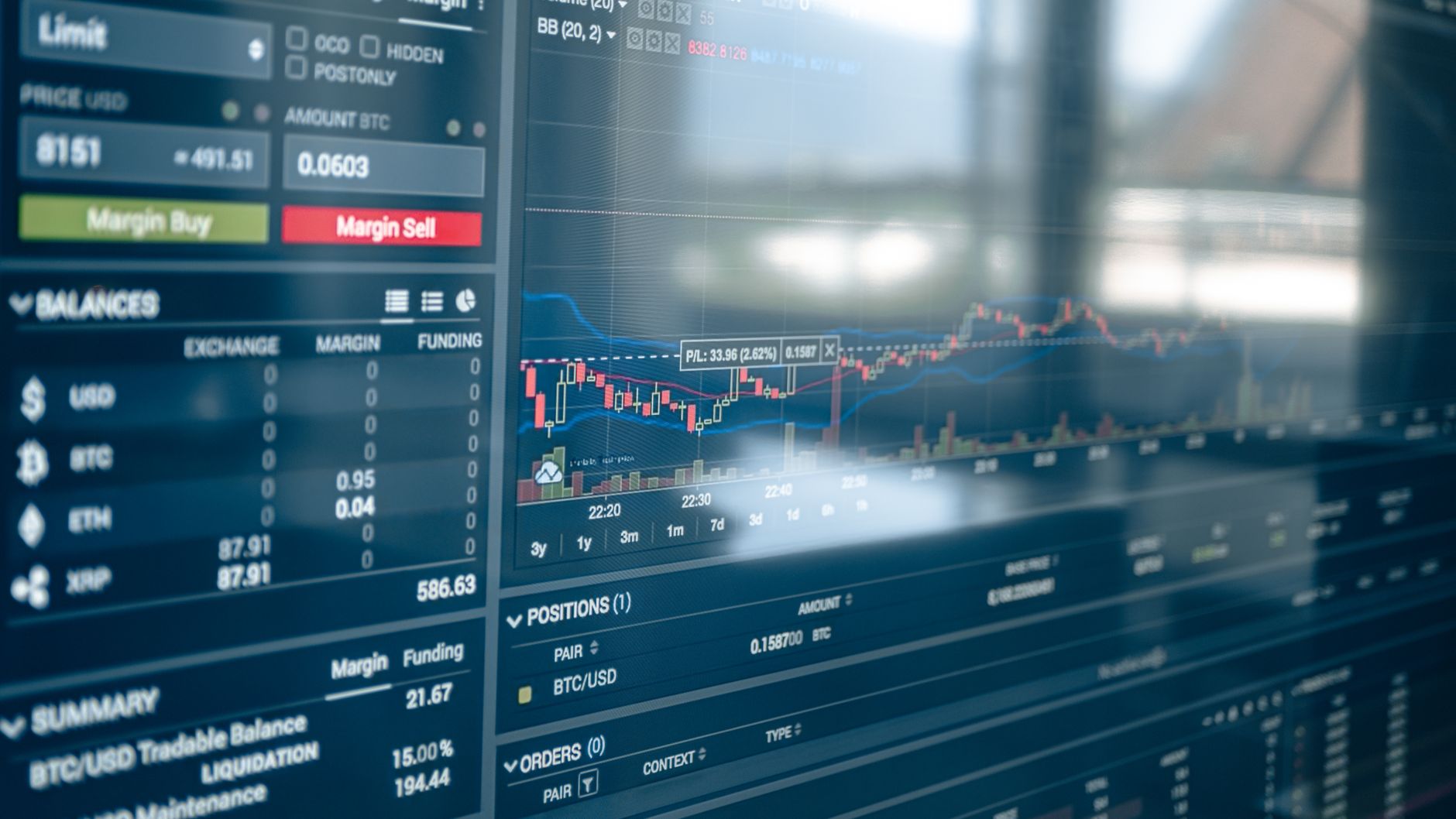
Singapore’s Temasek says crypto remains off the table while the state investor raises its AI exposure target to 15 per cent and expands private credit and infrastructure. The choice reads less like a view on token prices than a statement about what a sovereign balance sheet can explain.
The fund reported a record S$518 billion portfolio value and a 10.5 per cent one-year shareholder return. It has room to take risk. The more telling point is where it still refuses to take it: direct crypto, four years after the FTX collapse forced a $275 million write-down.
For digital-asset markets, the skeptic’s reading is the more important one. The headline is not that Temasek missed a rebound. It is that one of Asia’s most important pools of state capital still treats exchange-linked crypto exposure as a governance problem first, and only then as an investment question. In the CNBC interview that surfaced the stance again, Nagi Hamiyeh, president of Temasek Global Investments, did not leave much room for reinterpretation.
“We don’t have directly any, any investment in crypto”
Nagi Hamiyeh, president of Temasek Global Investments, speaking to CNBC
Hamiyeh’s answer partly addresses the obvious question from the crypto side of the market: why stay out when bitcoin and the broader token complex have recovered from the FTX era? Committee memory does not reset with the price chart. Temasek’s own statement on the FTX loss framed the failure as a due-diligence and governance disappointment, not a bad tactical trade. For a sovereign allocator, that distinction matters. A drawdown can be explained. A public mistake in underwriting control, custody and counterparty risk is harder to wave through, especially when the exposure sat in an exchange rather than an asset with transparent cash flows.
Venture-style crypto investing runs on a different clock. In 2021, the institutional pitch was that sovereign and pension money could take late-stage equity risk in exchanges and let regulation catch up later. In 2026, Temasek is effectively saying the sequence runs the other way around. Durable controls, credible governance and a clearer regulatory map come first; only then does the asset class earn the right to compete with other uses of capital.
So the comparison with pension-style or sovereign adoption elsewhere matters less as a trigger for immediate buying than as a test of process. A 1 per cent pilot allocation, a regulated custody partner or a passive vehicle can be debated inside a committee. Equity in a fast-growing exchange with opaque controls is harder to defend after 2022. Temasek is telling the market that crypto still has not standardised itself into the kind of exposure a state fund can scale without inviting a governance argument every quarter.
The governance discount

Through that lens, Temasek’s stance is less anti-crypto than anti-ambiguity. The fund is still leaning into technology, just in areas where the chain of accountability is easier to defend. The Financial Times reported that Temasek wants to raise AI exposure from 6 per cent of the portfolio to 15 per cent by 2031, private credit from 2 per cent to 5 per cent, and core-plus infrastructure to 5 per cent. Reuters reported the same strategic turn as the portfolio hit a record high.
Risk capital has not disappeared. It has been rerouted. AI infrastructure, private credit and stabilising infrastructure sleeves offer a cleaner story to an investment committee than a renewed bet on exchange equity or direct token exposure. They have revenues, assets, contracts or collateral that can be inspected. They also fit a portfolio construction problem Temasek is trying to solve after years in which, as the FT noted, its five-year return lagged the MSCI World index.
For crypto bulls, that distinction is frustrating because the market wants institutional validation to be cyclical. Sovereign allocators do not work that way. They are slow pools of money whose precedents matter almost as much as their models. Once a blow-up becomes a public lesson, every future investment memo has to clear that memory before it clears the expected-return hurdle.
Dilhan Pillay, Temasek’s chief executive, made that preference explicit in the fund’s push deeper into artificial intelligence.
“AI is integral to how we sense emerging opportunities, adapt our portfolio and thrive as an institution”
Dilhan Pillay, chief executive officer of Temasek, quoted by the Financial Times
Pillay’s wording matters. He was not selling AI as a speculative moonshot. He was selling it as institutional adaptation. Hamiyeh’s second AI message may be the sharper one for markets: the fund is not trying to guess the single model winner. It is looking for the parts of the stack that survive even if today’s frontier pecking order changes.
Where the risk budget went
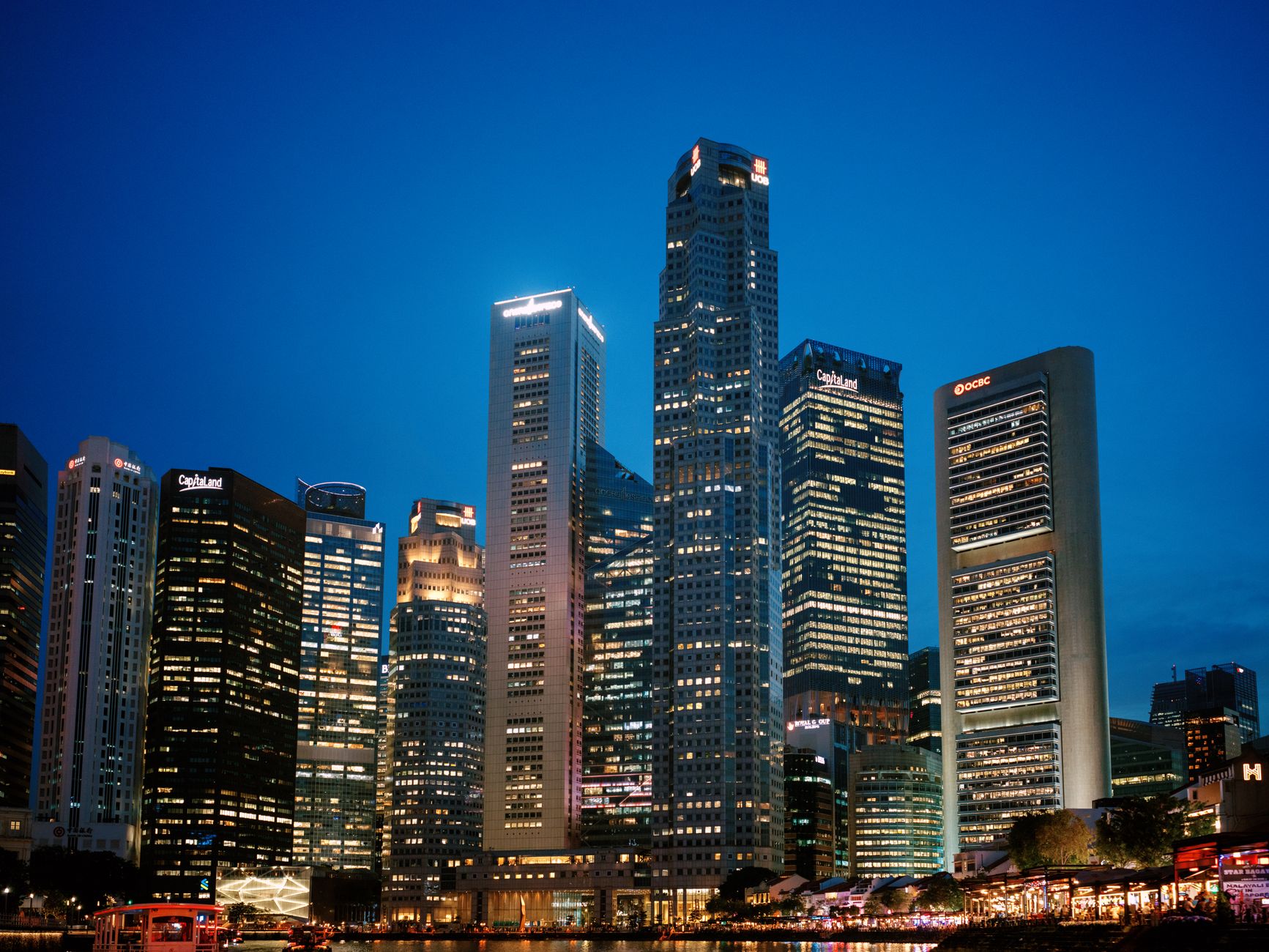
“Not every situation needs frontier models,” Hamiyeh said in the same CNBC interview. “It’s all about the applications, and it’s all about the companies that embrace AI and build a moat.” A sovereign investor can use that frame to avoid binary tech exposure. Instead of betting everything on the model layer, it can own data centres, cloud demand, software plumbing and companies that use AI to defend margins in existing businesses.
In portfolio terms, the rotation favours boring clarity over narrative optionality. A loan book can be marked against collateral. A toll-road-style infrastructure asset can be modelled off contracted cash flow. Even an AI applications company can be tested against adoption and pricing power. Direct crypto exposure, by contrast, still asks committees to accept a messier stack of market-structure, custody and reputational variables.
The distinction also explains why Temasek’s crypto refusal should not be read as a blanket rejection of digital-asset-adjacent opportunity. It is a rejection of one form of exposure, direct and exchange-linked, after a very public failure. If the burden of proof ever comes down, it is likely to do so through structures that look more institutional: regulated market infrastructure, custody, picks-and-shovels software, or vehicles with clearer governance than a private exchange balance sheet. What changes the decision is unlikely to be a higher bitcoin price. It is more likely to be a risk framework that a sovereign board can defend in one sentence.
One more portfolio point matters. Private credit and core-plus infrastructure are not just substitutes for crypto, they are stabilisers after a period in which public-market volatility, China drag and expensive growth assets all complicated return targets. When Temasek lifts private credit to 5 per cent, it is buying income and seniority. When it lifts AI to 15 per cent, it is still taking a growth bet, but one it can spread across applications and infrastructure rather than a single narrative trade.
The signal travels beyond Singapore. Large allocators watch peers not because they copy trades line by line, but because public mistakes reset the house view on what counts as prudent innovation. Temasek’s willingness to increase AI, private credit and infrastructure in the same breath as its refusal to revisit crypto makes the ranking plain: sovereign money is still happy to fund technological change, just not in forms that leave the downside looking discretionary.
The uncomfortable conclusion is that crypto has done a better job repairing prices than repairing sovereign-grade trust. Temasek’s record year shows the fund is not short of capital or appetite. It is short of reasons to believe direct crypto exposure now offers a better mix of governance, downside control and explainability than the other ideas competing for the same risk budget. Until that changes, the post-FTX lesson for state money is not that crypto can never recover. It is that recovery in price is not the same thing as recovery in institutional memory.
Sloane Carrington
Markets columnist. Analytical pieces and deep-dives on monetary policy, capital flows and corporate strategy. Reports from New York.