
Section
Economy
ECB September rate move stays open as Nagel waits on data
ECB September rate move stays open after Joachim Nagel said policymakers will wait for fresh inflation and growth data before Berlin.

India rate-hike odds rise as crude reopens inflation trade
India rate-hike odds are climbing again as pricier crude, a weaker rupee and sticky food costs push investors to reprice the RBI path.

Oil is already tightening euro-zone markets before the ECB
German bond yields hit a 15-year high as surging oil forced traders to reprice ECB inflation risk and a more hawkish rate path.

UK inflation slows to 2.6% in June as oil risk returns
UK inflation slowed to 2.6% in June as cheaper fuel and food cut headline CPI, but higher oil prices could test the Bank of England's patience.

Japan June trade data: exports jump 19.3%, imports 25.4%
Japan June trade data showed exports up 19.3 per cent and imports up 25.4 per cent, highlighting resilient demand, yen weakness and higher energy costs.

Canada tariffs 2026: Trump orders 50% levy on imports
Canada tariffs will rise to 50% on selected imports after a 30-day delay, widening Trump's trade fight with Ottawa and raising supply-chain risks.

Bank of Korea raises rates to 2.75% in first hike since 2023
Bank of Korea raises rates to 2.75% for the first time since 2023 as inflation stays above target and officials try to steady the won.

Brazil tariffs 2026: U.S. 25% duty widens trade risk
Brazil tariffs return as the Trump administration sets a 25% duty on some goods, with carveouts that limit the first-round supply-chain shock.
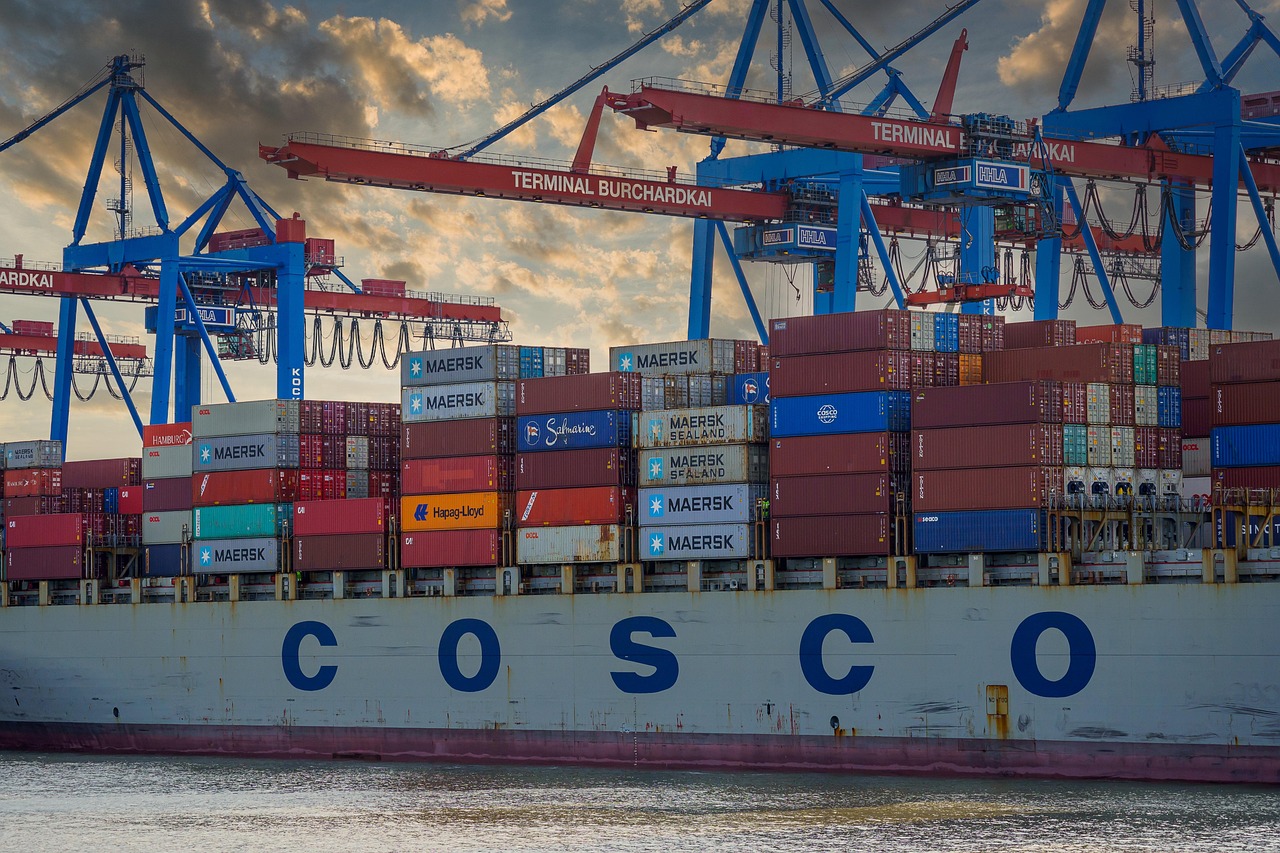
China GDP slows to 4.3% as Beijing faces stimulus pressure
China GDP slowed to 4.3% in the second quarter, below Beijing's 4.5% to 5.0% goal, as weak investment intensified calls for fresh stimulus.

China GDP slows to 4.3% as Beijing faces stimulus pressure
China GDP slowed to 4.3% in the second quarter, below Beijing's 4.5% to 5.0% goal, as weak investment intensified calls for fresh stimulus.
Why a Senate process bill matters for Social Security now
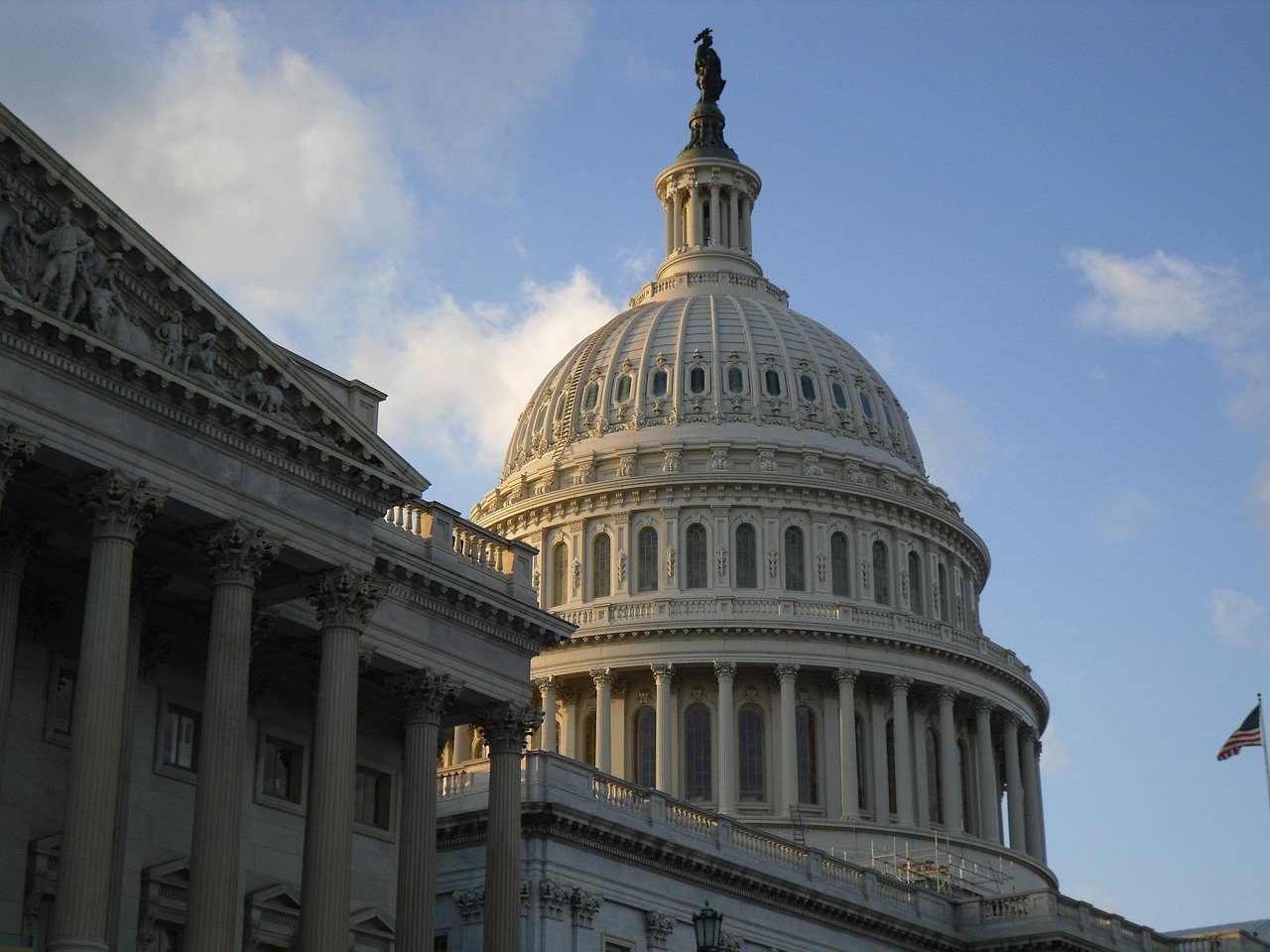
Social Security reform returns to Capitol Hill as senators try to force a vote before 2032, when only 78 per cent of benefits would be payable.
India inflation hits 4.38% in June as oil, food costs rise
India inflation rose to 4.38% in June, topping forecasts as oil, transport and food costs climbed, adding pressure to the RBI outlook.

Student loan lawsuits 2026 test Trump's repayment overhaul
Student loan lawsuits in 2026 are testing Trump's repayment overhaul, with SAVE, PSLF relief and graduate borrowing limits caught in court.

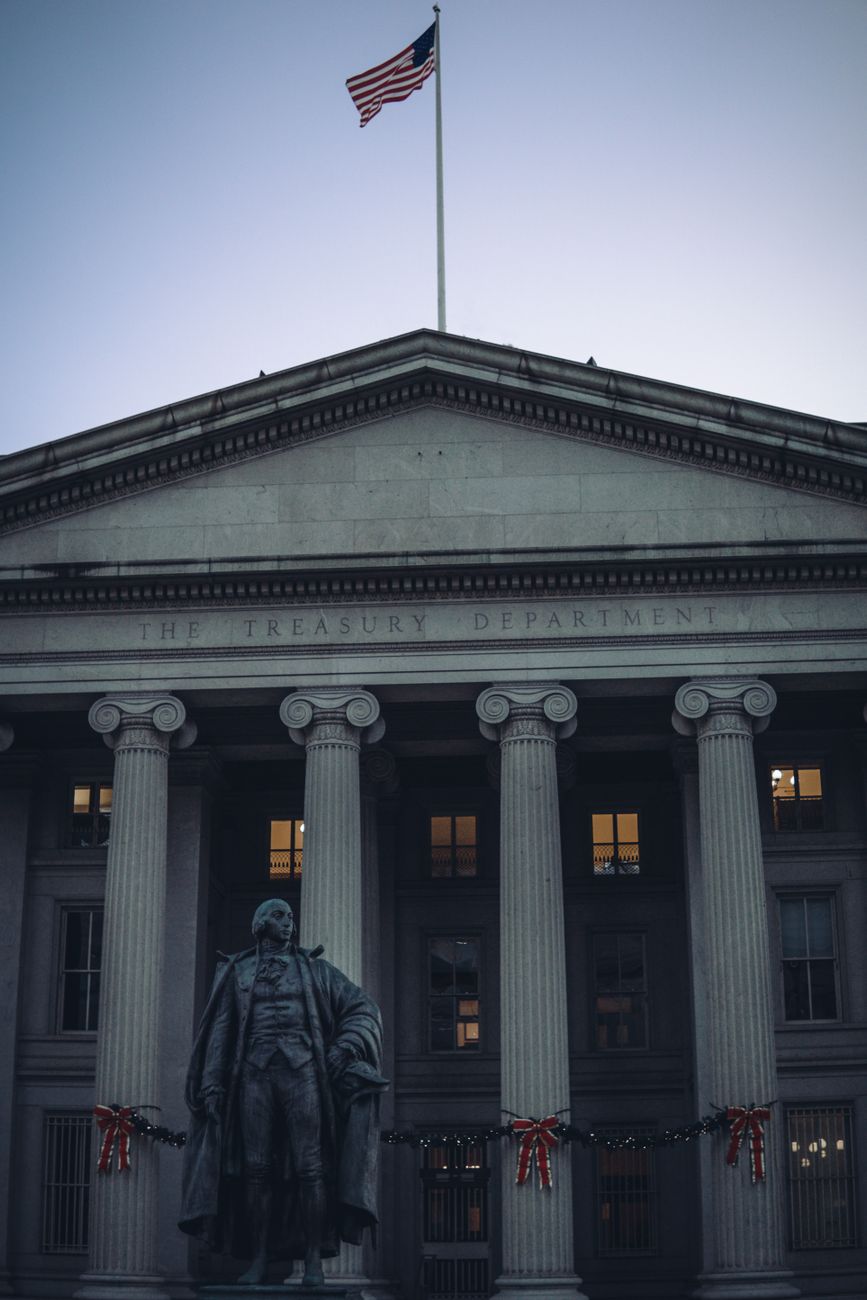
Student loan Treasury transfer bill would shift millions
Student loan Treasury transfer bill would move defaulted and later current federal loans to Treasury, deepening the SAVE-plan unwind.
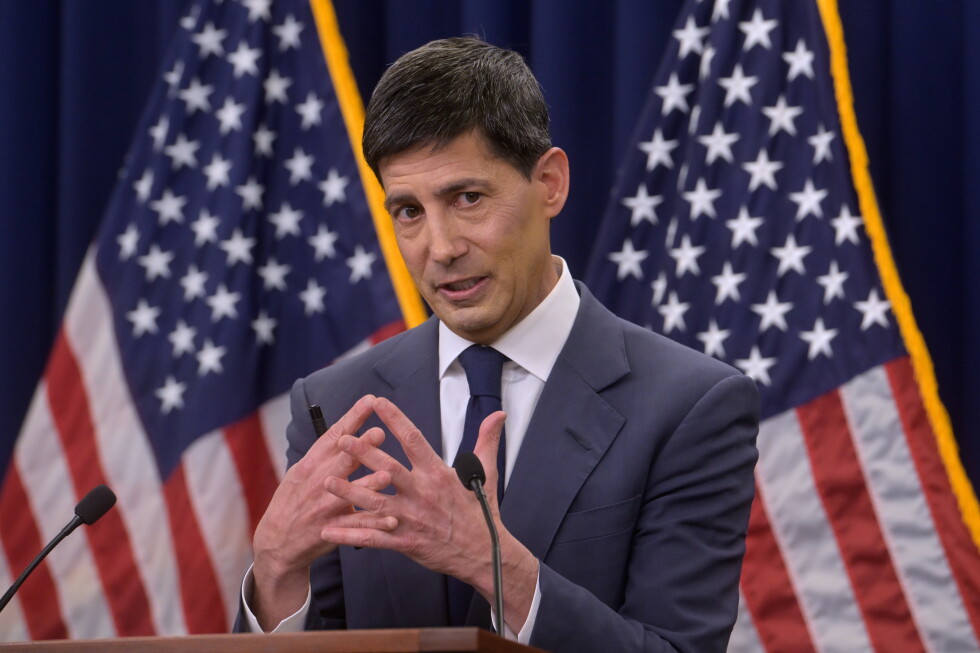
Fed task forces: Warsh taps outsiders for overhaul
Fed task forces took shape under Kevin Warsh as the chair named business and academic outsiders to review data, communications and the balance sheet.
Federal Reserve minutes show split over 2026 rate path
Federal Reserve minutes from June showed stronger inflation concern and no immediate support for cuts, keeping the 2026 rate path divided.
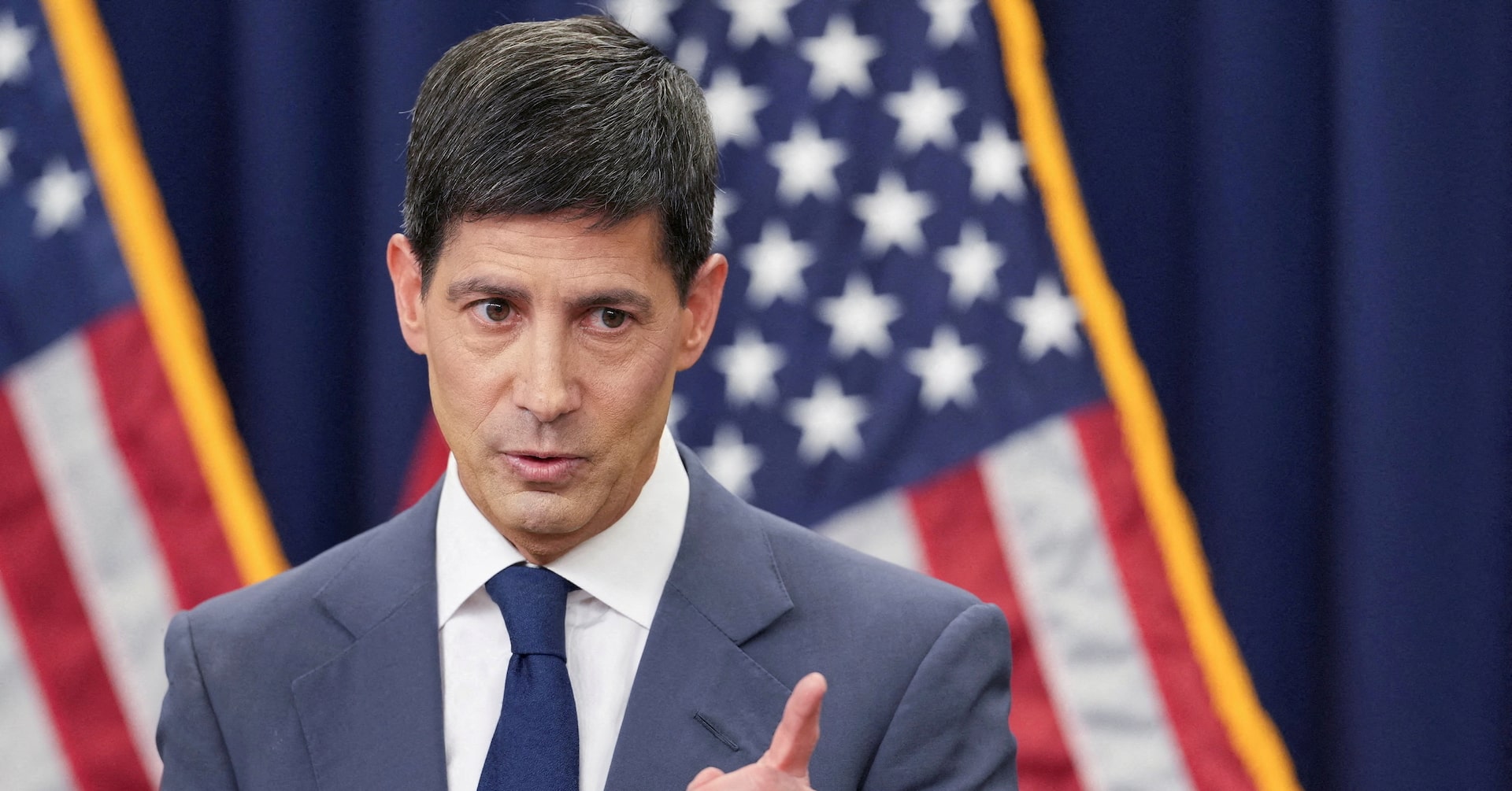
US inflation expectations rise to 3.7% in June survey
US inflation expectations rose to 3.7 per cent in June, the highest since September 2023, adding pressure to a Fed holding rates at 3.50%-3.75%.
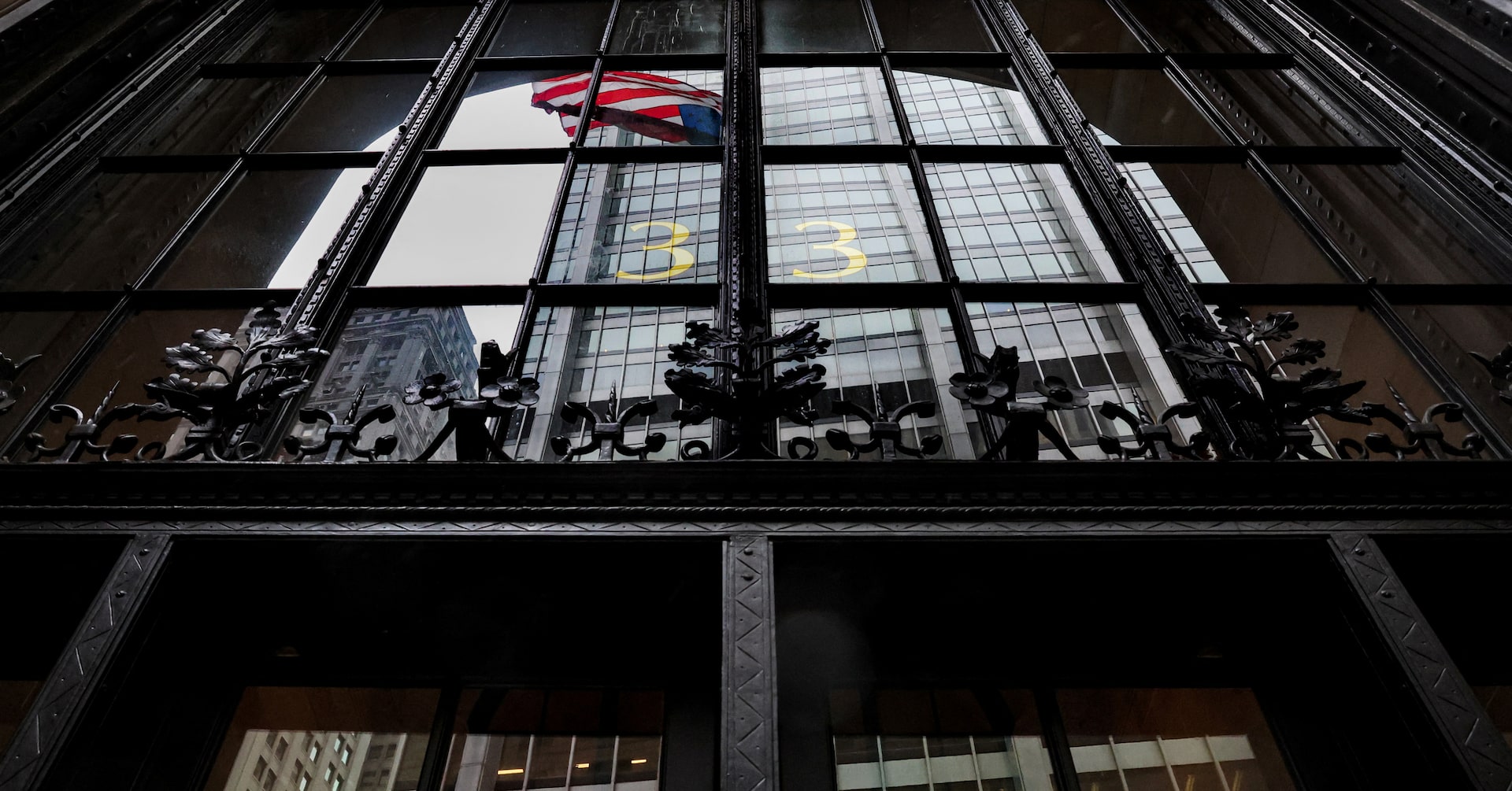
New Zealand raises key rate to 2.5%, first hike in 3 years
New Zealand key rate rose to 2.50% as the RBNZ delivered its first hike in three years, lifting the kiwi and front-end bond yields.
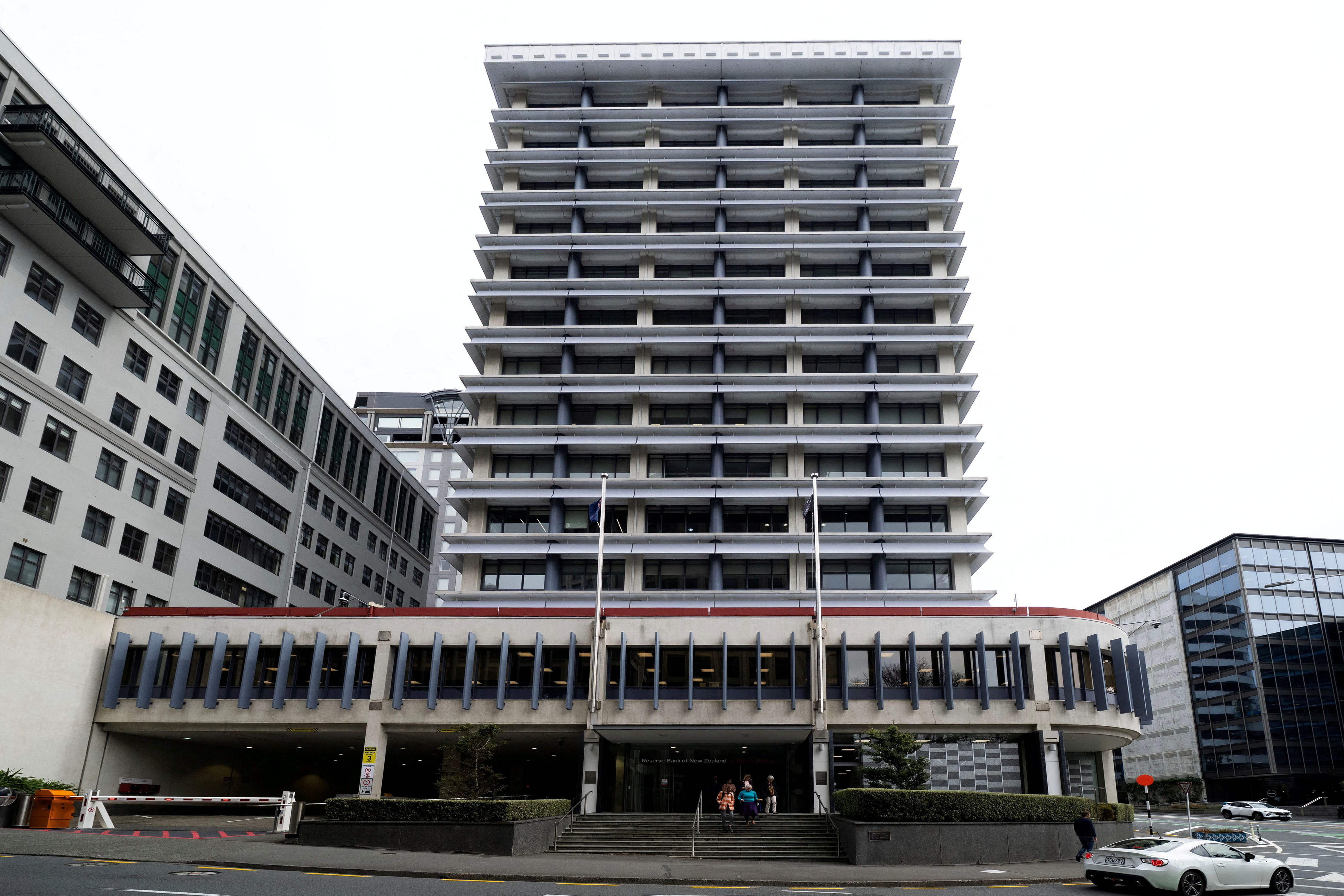
UK student loans: MPs call promotion mis-selling
UK student loans are under new scrutiny after MPs said past promotion amounted to mis-selling and attacked a £29,385 repayment-threshold freeze.

PCE may cool on paper before prices cool in the real economy
Core PCE inflation could be revised lower by methodology changes, giving markets a cooler Fed signal even if underlying prices stay sticky.
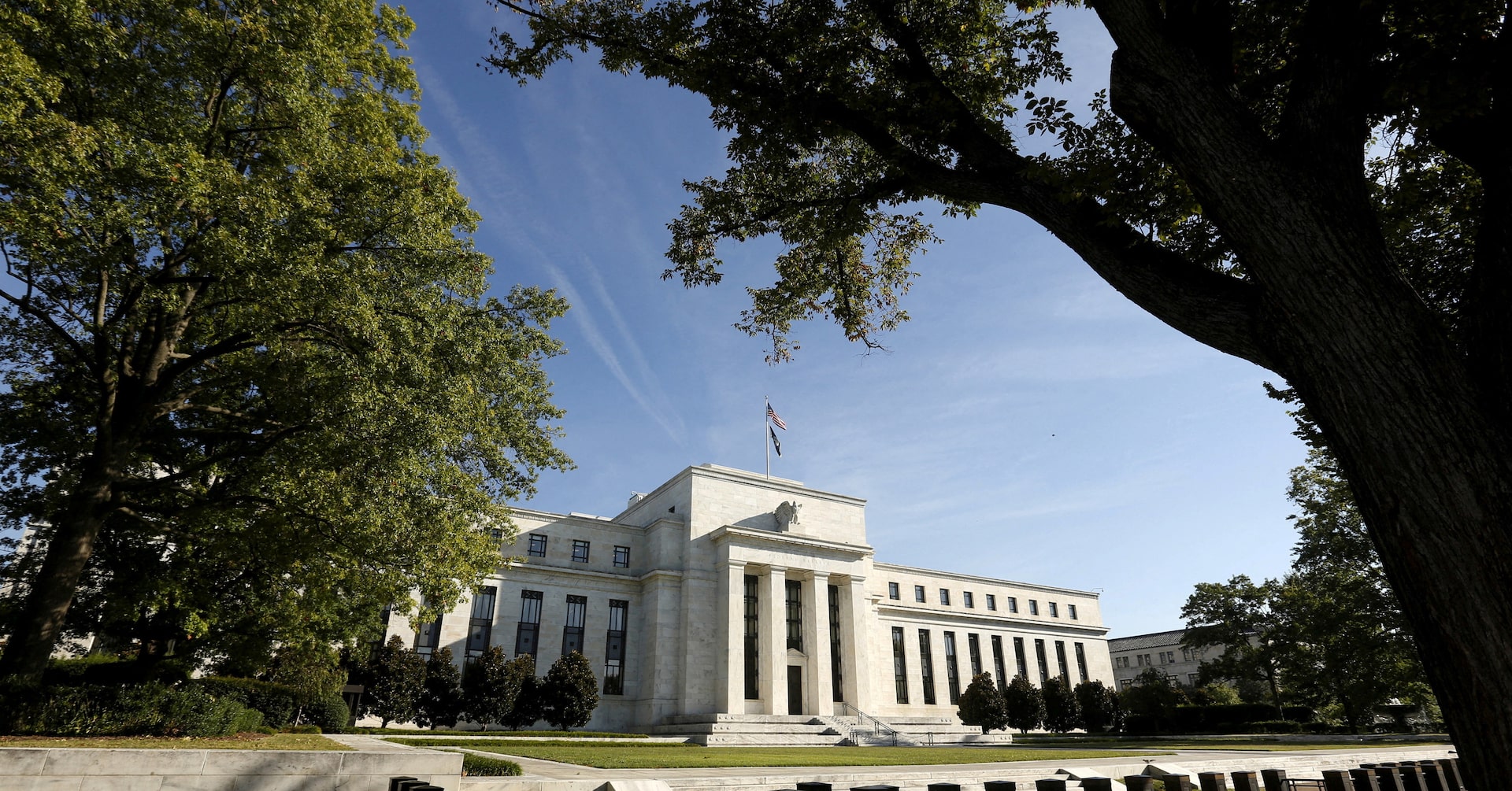
Trump Accounts reach hospitals as newborn rollout goes live
Trump Accounts will let parents enroll newborns through hospital Social Security forms, testing how broadly the $1,000 policy reaches families.

Judges block Trump limits on public-service loan forgiveness
Federal judges kept Public Service Loan Forgiveness open under existing rules, blocking Trump administration limits one day before they were due to take effect.

Fed independence: Supreme Court keeps Lisa Cook
Fed independence remains intact for now after the Supreme Court let Governor Lisa Cook stay, limiting Donald Trump's reach into the central bank.
China factory PMI rises to 50.3 as export demand leads
China factory PMI rose to 50.3 in June as AI-linked export demand kept manufacturing expanding, while domestic demand stayed soft.

PBOC overnight reverse repo omits rate, clouds policy signal
PBOC overnight reverse repo pricing stayed undisclosed at launch, leaving traders to infer whether Beijing is shifting its short-term policy benchmark.