ECB September rate move stays open as Nagel waits on data
ECB September rate move stays open after Joachim Nagel said policymakers will wait for fresh inflation and growth data before Berlin.

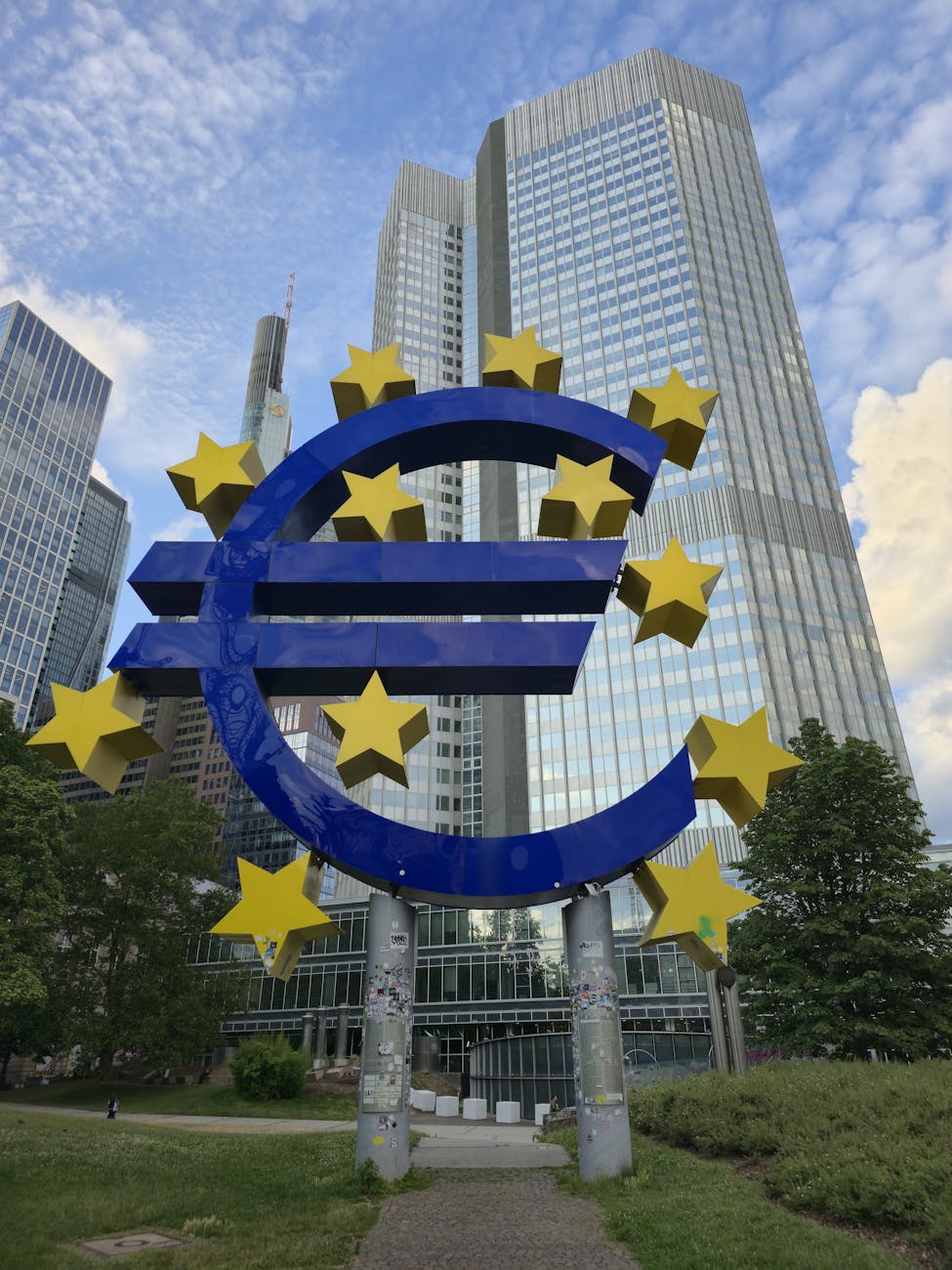
The European Central Bank left its deposit facility at 2.25 per cent on Thursday, and Bundesbank President Joachim Nagel gave traders no firm September signal. He said policymakers can wait for more inflation and growth data before the next rate-setting meeting, leaving the bank on hold after June’s 25 basis point increase while the council tests whether price pressures are easing enough to stay there.
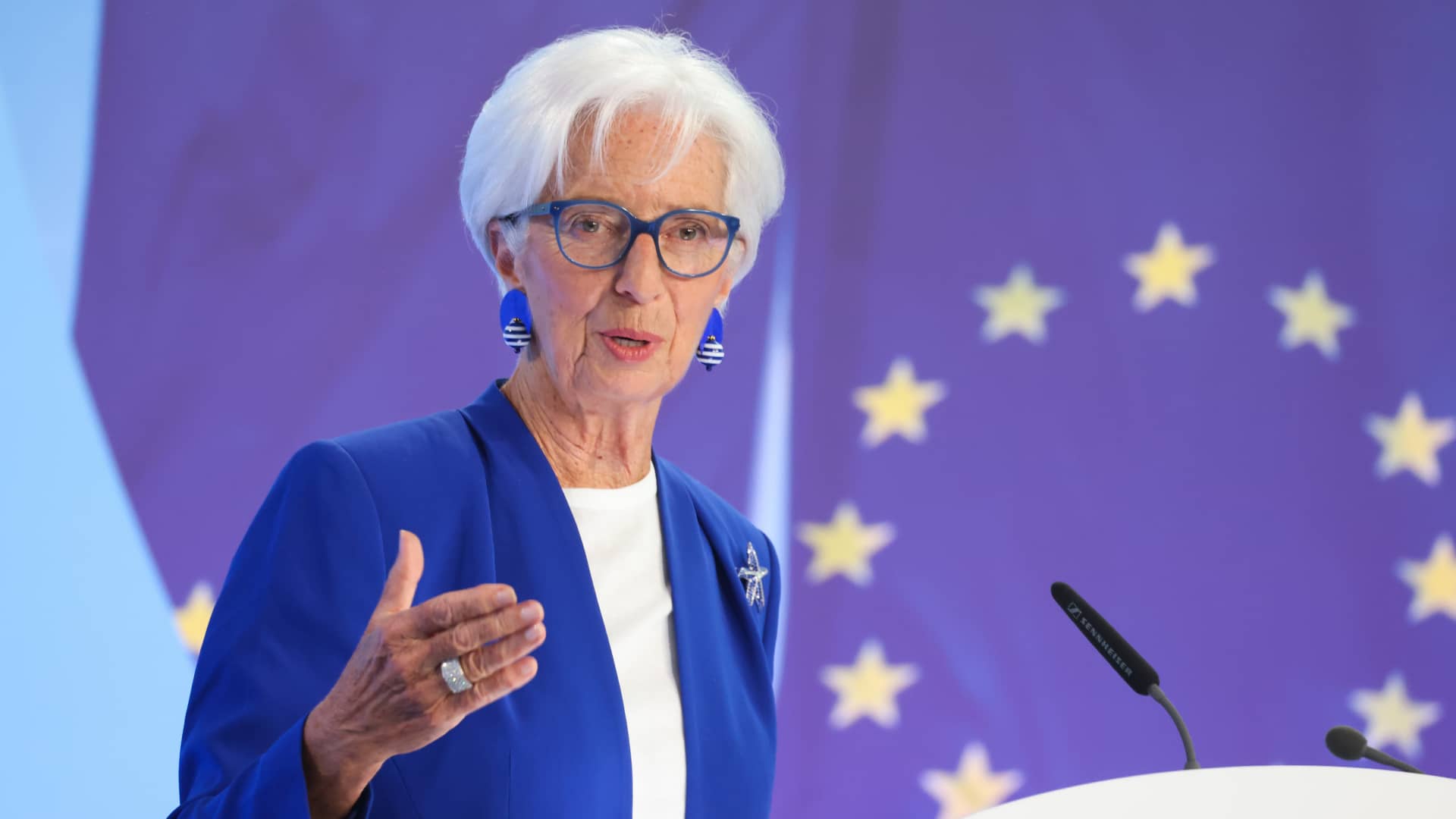
Bloomberg reported after the decision that Nagel declined to say whether borrowing costs would change at the September 9 to 10 Governing Council meeting in Berlin. Traders had wanted to know whether Thursday’s hold was a real pause or only a gap between moves. Nagel did not give them that. The council wants another run of data and updated staff projections before it ties itself to a path.
That is the trade he left in place. A firmer signal could have pulled rate bets forward or pushed them back. Instead, the ECB remains deliberately data dependent at a narrow point in Europe’s rate cycle. If inflation keeps cooling and growth weakens, officials can defend the hold. If prices pick up again, they can say the current setting was never meant to rule out another increase.
The hawkish risk has not disappeared. Reuters reported via MarketScreener that oil had moved back toward $100 a barrel while natural-gas prices were rising, a reminder that energy can still disrupt the disinflation path. In an earlier Bundesbank interview posted before Thursday’s meeting, Nagel said interest rates could rise again if the outlook did not improve. The combined message is steady rather than soft: policy is paused, but shocks can still pull the autumn debate back toward tightening.
Why September matters
The calendar matters because the ECB has one policy meeting between now and the next projections. The ECB’s own schedule shows the next policy gathering is the September meeting in Berlin, giving officials time to absorb more inflation prints, growth readings and any change in energy markets before they decide whether July’s wait becomes a longer pause. That helps explain Nagel’s caution. A council expecting better evidence in six weeks has little reason to box itself in now.
Markets are less patient. Reuters said investors were still pricing at least two further rate increases even as officials limited themselves to saying another move remained possible, not promised. The gap between pricing and official language is the pressure point now. Each euro-area inflation release can still move expectations sharply, particularly if energy stays firm or wage data surprise on the upside.
Nagel’s comments also fit the ECB’s shift away from meeting-by-meeting hints. Officials appear to be making traders work from the incoming numbers rather than from prepared signals. That may lower the risk of over-committing in a volatile summer, but it leaves bond and currency markets jumpy. Investors looking for a clean September steer did not get one on Thursday. They got a central bank that still wants room to move.
The benchmark number is still 2.25 per cent, and the next policy checkpoint is still September. Nagel did not challenge either fact. He reinforced both. For the ECB, the near-term posture is to wait and keep the next move open.
For markets, the harder task is pricing a central bank that says it is comfortable where it is, but not comfortable enough to promise it will stay there. That leaves the next six weeks unusually exposed to data surprises, especially any fresh sign that energy or wages are slowing the return to target.
Helena Brandt
Macro reporter covering the Federal Reserve, ECB, inflation prints and jobs data. Reports from Washington.