ECB rate hike 2026: first rise since 2023 on inflation
ECB rate hike 2026 lifted the deposit rate to 2.25 per cent as energy costs pushed inflation forecasts higher.
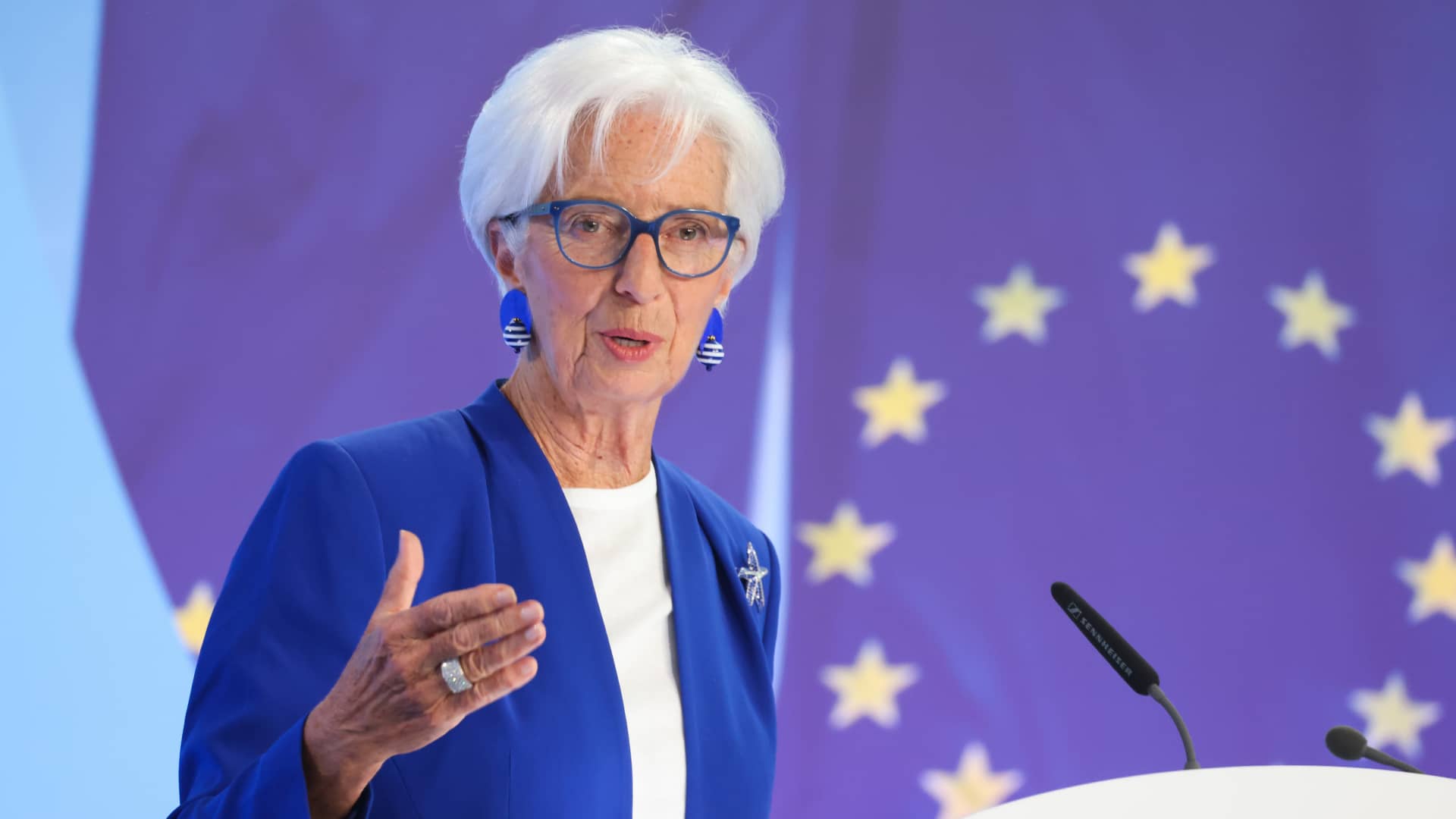
FRANKFURT, June 11, 2026. The European Central Bank raised the deposit rate by 25 basis points to 2.25 per cent on Thursday, its first increase since 2023, after the Middle East war pushed energy costs into the euro-area inflation outlook.
For markets, the precedent may matter more than the quarter-point step. Inflation pressure that began in commodities is now forcing officials to protect credibility while growth forecasts are being cut.
The decision makes Frankfurt the first major developed-market central bank to tighten again in this energy shock. Officials said all three key rates rose by 25 basis points, lifted the 2026 headline inflation forecast to 3.0 per cent and marked growth down to 0.8 per cent for 2026. That leaves the Governing Council with less room than it had during last year’s easing cycle.
“The war in the Middle East is generating inflation pressures, and the decision to raise rates is robust across a range of scenarios mapping out how the shock might evolve and affect the medium-term outlook for the euro area.”
Source: European Central Bank Governing Council monetary policy statement
May inflation had already moved to 3.2 per cent before the decision, according to the ECB statement. The wording suggests officials are not treating the shock as a brief lift to headline prices. Higher energy costs may still feed into wages, margins and expectations.
Oil spikes can be ignored when core prices stay calm. Forecast rounds are harder to dismiss.
A reluctant hike
Christine Lagarde tried to stop the move being read as a promise of more tightening. After the decision, the ECB president said officials were still taking decisions meeting by meeting, language meant to answer the inflation shock without tying the bank to a full cycle.
“The outlook remains uncertain, with upside risks for inflation, and downside risks for economic growth. We are not pre-committing to a particular rate path.”
Source: Christine Lagarde, ECB president, according to CNBC
Caution matters because the same forecast package that justified the hike also showed weaker growth. With expansion projected at 0.8 per cent in 2026, the ECB has little margin for a long campaign if household demand or investment softens under higher energy bills.
Deutsche Bank’s Mark Wall called the decision a break in the global sequence. “Not only is this the first ECB hike since 2023, it is also the first hike by one of the major global central banks in response to the energy shock,” Wall told CNBC.
That makes the decision a dollar-rates input, not only a euro-area story. The Federal Reserve meets next week with Kevin Warsh facing a similar credibility test: whether to treat energy-driven inflation as temporary, or lean against the risk that it settles into broader pricing.
The Fed read-through
Nobody in Washington is bound by Frankfurt’s move. Still, the ECB has changed the cost of waiting.
Any Fed hold will need a clearer explanation of why US inflation dynamics look different if another major central bank has already tightened on the energy shock. Before the Iran-driven energy surge, the market debate was how quickly central banks could resume easing. After Thursday’s vote, the question for bond traders is which policy makers still have room to cut.
The shift reaches beyond Europe because energy shocks travel through import prices, inflation expectations and currency markets. Dollar strength could cushion some US energy pressure; a weaker euro would complicate the ECB’s job by adding to imported inflation.
One hike does not prove a new tightening cycle is under way. Thursday’s decision reads more like an insurance hike with a warning label. Energy prices may stop at headline inflation, leaving the move to stand alone. If wage bargains and services prices absorb the shock, the ECB has given markets the first template for how central banks may respond.
Helena Brandt
Macro reporter covering the Federal Reserve, ECB, inflation prints and jobs data. Reports from Washington.