China GDP slows to 4.3% as Beijing faces stimulus pressure
China GDP slowed to 4.3% in the second quarter, below Beijing's 4.5% to 5.0% goal, as weak investment intensified calls for fresh stimulus.
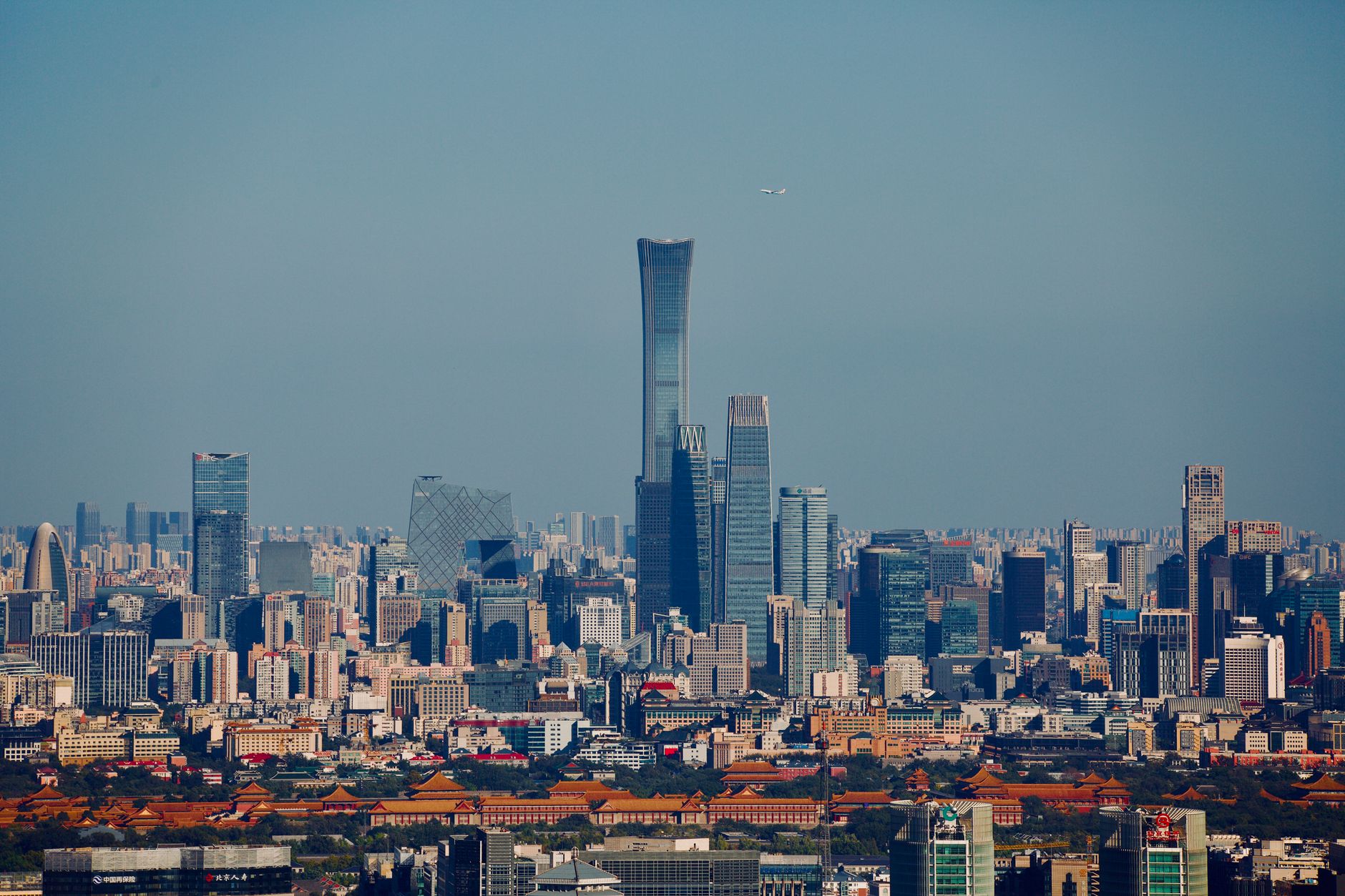
China’s economy grew 4.3 per cent in the second quarter, its weakest pace since late 2022, putting Beijing under fresh pressure to add support after CNBC’s report on the data showed investment sliding and growth below the government’s 4.5 to 5.0 per cent full-year goal.
The reading fell from 5.0 per cent in the first quarter and landed below even the bottom end of Beijing’s annual target range, which CNBC said was already the least ambitious goal in decades. That leaves officials with an awkward mid-year choice: accept a softer expansion, or move earlier with broader fiscal and monetary support. The Financial Times described the release as China’s weakest quarterly growth reading in more than three years, a sign of how quickly the post-lockdown rebound has thinned out.
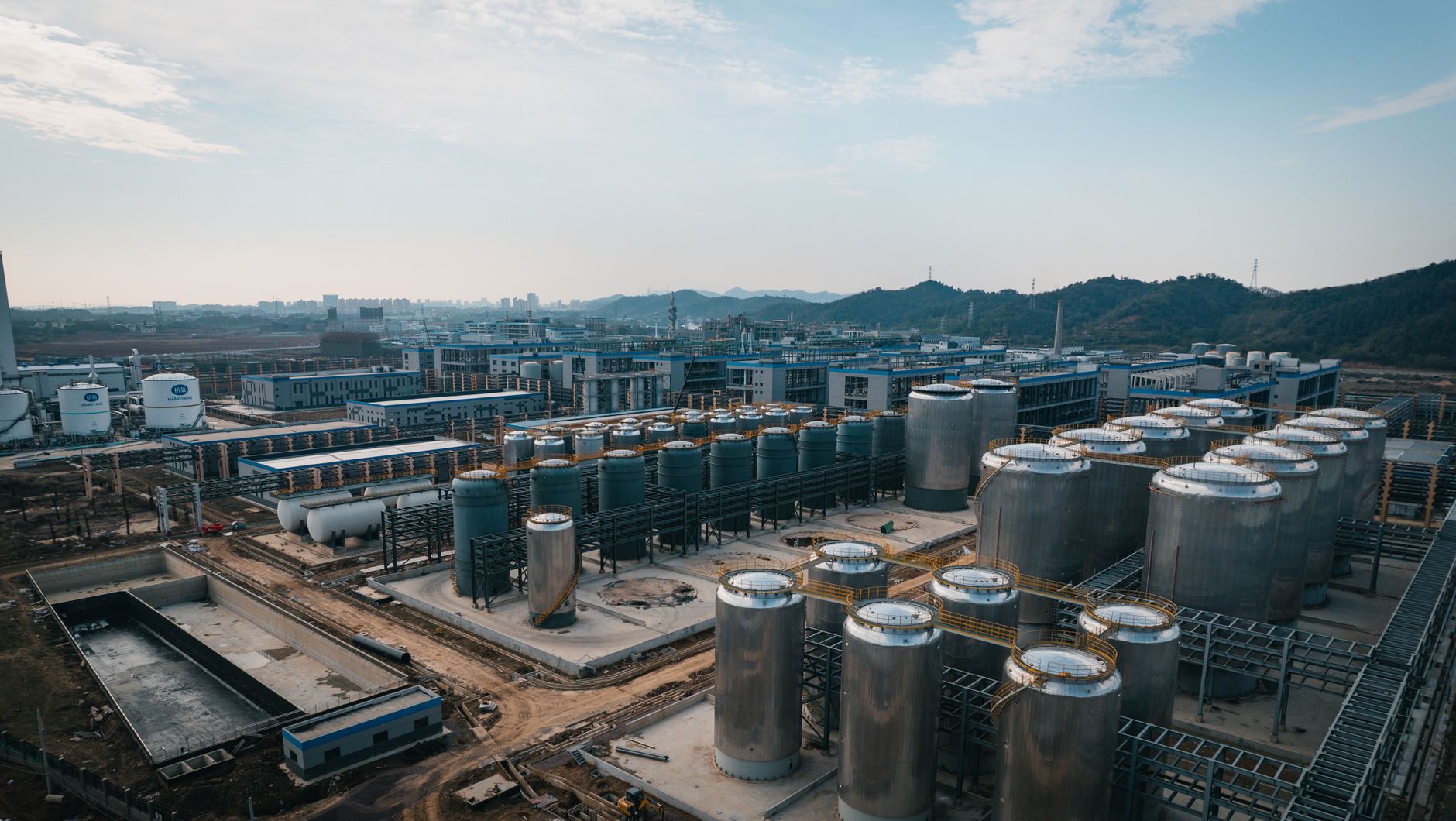
Investment remains the main drag. Urban fixed-asset investment fell 5.7 per cent in the first six months of 2026, according to CNBC’s account of the release, with real estate, infrastructure and manufacturing all contracting. Li Daokui, an economics professor at Tsinghua University and former adviser to China’s central bank, said the pullback had been “unprecedented”. That loss of capital spending is a problem for Beijing because investment has often been the lever it pulls when households are cautious, especially when property remains weak.
Consumption looked firmer, but it did not carry the quarter. June retail sales rose 1.0 per cent and industrial output accelerated, CNBC said. BBC News reported that strong exports were still doing much of the stabilising work as weak domestic demand and higher oil prices weighed on the broader economy. Exports can protect the headline number for a while. They do less to persuade households and private companies that the recovery is on firm ground, or that demand at home is improving fast enough to justify new spending. That gap is now the policy problem.
Even the National Bureau of Statistics framed the release as a warning, saying the economy faced an “acute” imbalance between excess supply and sluggish demand and calling for stronger “counter- and cross-cyclical adjustments.” The wording was unusually direct for a data release, and it gave investors a cleaner signal that the debate inside Beijing is shifting from whether activity is soft to how much support is needed.
“acute” imbalance between excess supply and sluggish demand, urging policymakers to step up “counter- and cross-cyclical adjustments.”
National Bureau of Statistics, via CNBC
That wording points to a familiar response. Tianchen Xu, senior economist at Economist Intelligence Unit, said boosting infrastructure investment would be a key focus for stabilising growth and that the weak quarter left room for additional stimulus measures and a policy rate cut. The package he sketched would lean on public spending, cheaper funding and targeted support rather than a quick revival in private demand. It is the kind of response that can lift activity quickly, but it also risks adding to debt if households and companies stay cautious.
The limits are visible too. CNBC said Beijing’s campaign against excess capacity and price wars is expected to weigh on private investment in the near term, so any stimulus package may first work as a cushion rather than a clean restart. The 4.3 per cent print is more than a one-quarter miss. It raises the cost of waiting, because each month of weak investment leaves a bigger gap to close later in the year. China is entering the second half with growth below target, first-half investment already contracting and domestic demand still too soft to carry the expansion on its own. For investors, the question is whether support arrives quickly enough to keep full-year growth inside the official band.
Helena Brandt
Macro reporter covering the Federal Reserve, ECB, inflation prints and jobs data. Reports from Washington.