UK buy now, pay later rules: what changes in 2026
UK buy now, pay later rules bring BNPL under FCA oversight, adding affordability checks, refund rights and Ombudsman access.

What changes when buy now, pay later stops sitting in a regulatory grey zone and starts being treated like ordinary consumer credit? In the UK, the legal answer arrived on Wednesday. The Financial Conduct Authority brought BNPL products under formal supervision, requiring lenders to check whether borrowers can afford the debt, explain terms more clearly and give eligible customers access to the Financial Ombudsman Service and section 75-style purchase protection.
The change matters because BNPL is no longer a small fintech add-on at checkout. The FCA said the UK market reached £13bn in 2024, up from £0.06bn in 2017. It also said 20 per cent of consumers, or 10.9 million adults, used the product in the 12 months to May 2024. At that scale, the argument shifts from convenience to a plainer consumer-finance question: how much risk should sit with the borrower, the lender and the retailer?
BNPL, short for buy now, pay later, lets a shopper split a purchase into smaller instalments, often interest-free if each payment is made on time. That helped the product spread quickly with online retailers and platforms such as Klarna. Providers could market BNPL as a budgeting tool rather than a loan. The economics were always less novel: credit is advanced today and repaid later.
Recent reporting shows why regulators moved in. CNBC and MarketWatch have described borrowers using instalment products for groceries, gas, rent and utility bills, not only fashion or electronics. The UK rules are separate from those US examples. The pressure point is still familiar: a checkout product is being used to smooth cash flow.
“We want the Buy Now Pay Later sector to thrive - it provides an important source of credit to many.”
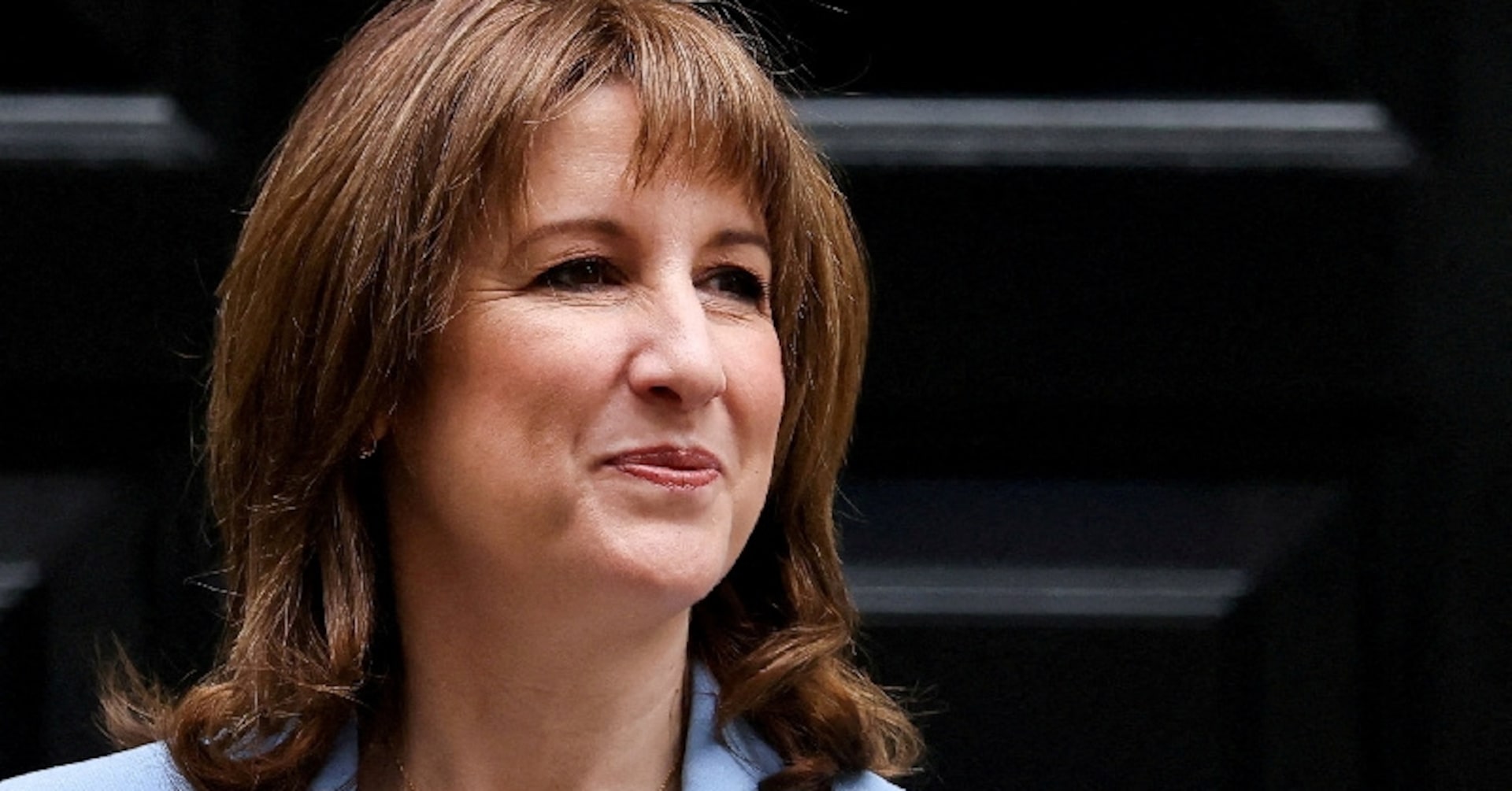
Sarah Pritchard, Financial Conduct Authority
Sarah Pritchard, the FCA’s deputy chief executive, paired that line with a warning that the market had to work better for borrowers as it matured. That is the balance the new regime is trying to strike. The government and the regulator are not banning BNPL or casting it as a fringe abuse problem. They are accepting that it has become large enough, and normal enough, to need the basic guardrails used elsewhere in consumer lending.
For lenders and consumer advocates, the tension is immediate. Kate Pender told The Guardian there was a risk that some people using BNPL responsibly could be pushed out if affordability tests were applied too rigidly. BBC News reported that 10 to 30 per cent of applicants could fail conservative checks. Fewer weak approvals may mean fewer future arrears. They may also mean lower acceptance rates, slower checkout conversion and less growth for lenders built around fast sign-up.
What the rules do
In practice, the framework pulls BNPL closer to the rest of the UK’s consumer-credit market. Borrowers should see more information before taking out a loan, a clearer route to complain when something goes wrong and stronger legal backing if a purchase turns sour.

One change is access to the Financial Ombudsman Service, the independent body that handles disputes between consumers and financial firms. Another is section 75-style coverage for qualifying purchases, which means a lender can share liability with a merchant if goods do not arrive or are misrepresented. The Guardian reported that the protection will apply on eligible purchases between £100 and £30,000. For BNPL, that is a legal change and a label change. It treats the product less like a checkout feature and more like a credit contract with enforceable obligations.
Affordability checks are the part lenders are likely to feel first. An affordability check tests whether a customer can repay without falling into financial difficulty, using income, existing commitments or other risk signals. The light-touch structure of many BNPL products helped providers keep approvals fast and merchant conversion high. Tighter underwriting could mean more rejections, smaller loan sizes or more selective customer acquisition. For investors and funding partners, it may also offer a cleaner view of credit quality, because a loan book built under formal standards is easier to compare with other consumer-finance assets.
Beyond the checkout page, the point matters for funding models. Klarna and its rivals have spent years pitching BNPL as a lower-friction way to shop online, but they still depend on low losses, steady repayment behaviour and access to wholesale funding. If regulation nudges the market toward better disclosures and cleaner underwriting, the near-term hit could be slower volume growth. The possible benefit is a product that looks more durable to regulators, bank partners and securitisation investors.
“Klarna doesn’t share these concerns because the new rules largely formalise what we already do.”
Klarna spokesperson, via BBC News
For smaller rivals, that comment is telling. BBC News said the largest providers argue the rules mostly codify existing practice. If that is right, regulation could still reshape competition by raising barriers for firms without the compliance staff, underwriting systems and funding depth to absorb tighter oversight.
What comes next
The next test is usage. The Guardian cited Experian data showing the average BNPL transaction was about £60, which puts many loans in everyday spending territory rather than large-ticket financing. If a product with that profile faces mainstream credit oversight, the message is not subtle: small balances can still create stress when they are stacked across multiple purchases.

Complaint volumes, late-payment trends and approval rates will tell the next part of the story. A fall in approvals would not automatically mean the policy failed. It could mean lenders are screening risk more carefully. A rise in complaints might simply reflect that borrowers now have a formal channel to challenge firms when purchases or repayments go wrong. Those are ordinary features of a regulated credit market, not proof that BNPL has stopped working.
BNPL has entered a new phase. The product is still pitched as flexible, fast and digital-first. Once regulators insist on affordability tests, dispute resolution and clearer liability, though, the market has less room to describe itself as something apart from consumer finance. The UK’s move does not settle the argument over how much access borrowers should retain, or how much growth lenders can preserve under tighter supervision. It shows that buy now, pay later will be judged by the same question that follows every other credit product: who takes the risk when household budgets tighten?
Naomi Voss
Banks and deals reporter covering bank earnings, fintech, M&A and IPOs. Reports from New York.