PBOC overnight reverse repo omits rate, clouds policy signal
PBOC overnight reverse repo pricing stayed undisclosed at launch, leaving traders to infer whether Beijing is shifting its short-term policy benchmark.
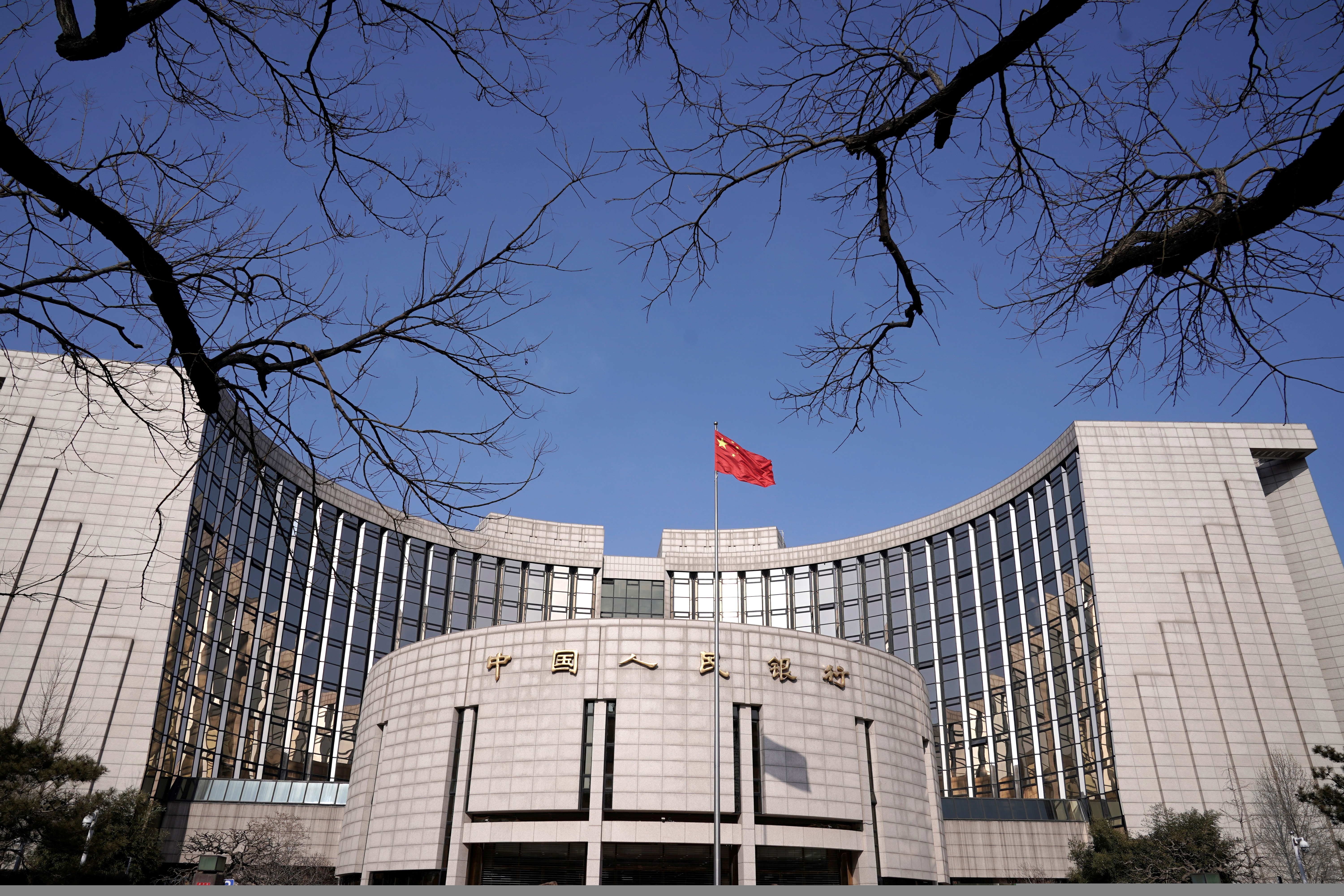
China’s central bank opened its first overnight reverse repo operation on June 29 without disclosing the interest rate, so dealers had to infer the new tool’s cost from market reporting rather than the official notice. The Bloomberg report on the operation said the People’s Bank of China injected 300 billion yuan through the facility and put the rate at 1.25 per cent.
For traders, the launch was supposed to clarify China’s short-end funding corridor. The reported 1.25 per cent cost was below the 1.35 per cent median forecast in Bloomberg’s survey. The PBOC, meanwhile, kept its seven-day reverse repo rate at 1.4 per cent and supplied another 157.5 billion yuan through that operation. Markets were left with a cheaper overnight print but no formal steer on whether Beijing wanted it read as easing, technical fine-tuning or both.
Reuters reported on June 25 that the overnight tool was designed to give the central bank a sharper way to manage short-term liquidity, particularly when seasonal cash demand distorts funding conditions. The facility is plumbing first in that version of events. It gives the PBOC a way to smooth sudden jumps in overnight money-market rates without moving the weekly instrument it has used more openly to guide policy.
That is the distinction investors are trying to price. In comments carried by The Business Times, Frances Cheung, head of foreign exchange and rates strategy at OCBC, said the tool should be seen first as a liquidity valve, not as a directional message on monetary stance.
“The overnight reverse repo is primarily a liquidity tool aiming at smoothing seasonal funding stress, rather than a tool to signal a particular policy stance”
Frances Cheung, head of foreign exchange and rates strategy at OCBC, told The Business Times
Rate ambiguity still kept the signaling question open. A June 17 Reuters report said the PBOC’s broader effort to control short-term borrowing costs had already prompted debate over which rate the market should treat as the operative benchmark. Li Hao said it remained unclear whether the seven-day reverse repo rate or the overnight rate would serve that role. Xing Zhaopeng took the opposite read, saying the recent changes strengthened the seven-day tenor as the official policy anchor.
Why the missing rate matters
Withholding the rate was almost as important as launching the tool. Chinese open-market operations normally send two signals: size and price. The amount shows how much liquidity the central bank is willing to add or drain. The rate maps the corridor around which money-market funding should trade. Without the cost in the PBOC statement, desks had to work backward from market chatter and news reports.
That may suit Beijing.
If the central bank wants the overnight tool to absorb quarter-end or month-end funding stress without triggering a broader repricing of policy expectations, keeping the rate out of the official release preserves room to maneuver. A disclosed rate below the seven-day benchmark would have raised the harder question of whether Beijing was quietly shifting the centre of gravity of its easing framework closer to the overnight market.
The reported 1.25 per cent level gave investors a reference point, but not much more. It did not settle how durable that level is or how often the tool will be used. One-off liquidity operations can smooth a temporary squeeze. Repeated use at a visibly lower rate can start pulling the short end of the curve toward a new anchor. The next few appearances may matter more than the first 300 billion yuan outing.
For now, the PBOC has added a lever without fully showing how it wants the market to interpret it. The seven-day rate is unchanged at 1.4 per cent, the overnight operation arrived at a reported discount to that level, and traders have to decide whether the gap is a technical detail or an early policy signal.
Helena Brandt
Macro reporter covering the Federal Reserve, ECB, inflation prints and jobs data. Reports from Washington.