PBOC overnight reverse repo signals shift in rate control
PBOC overnight reverse repo operations planned for June 29-30 point to tighter control of short-term funding costs and a bond-friendly shift.
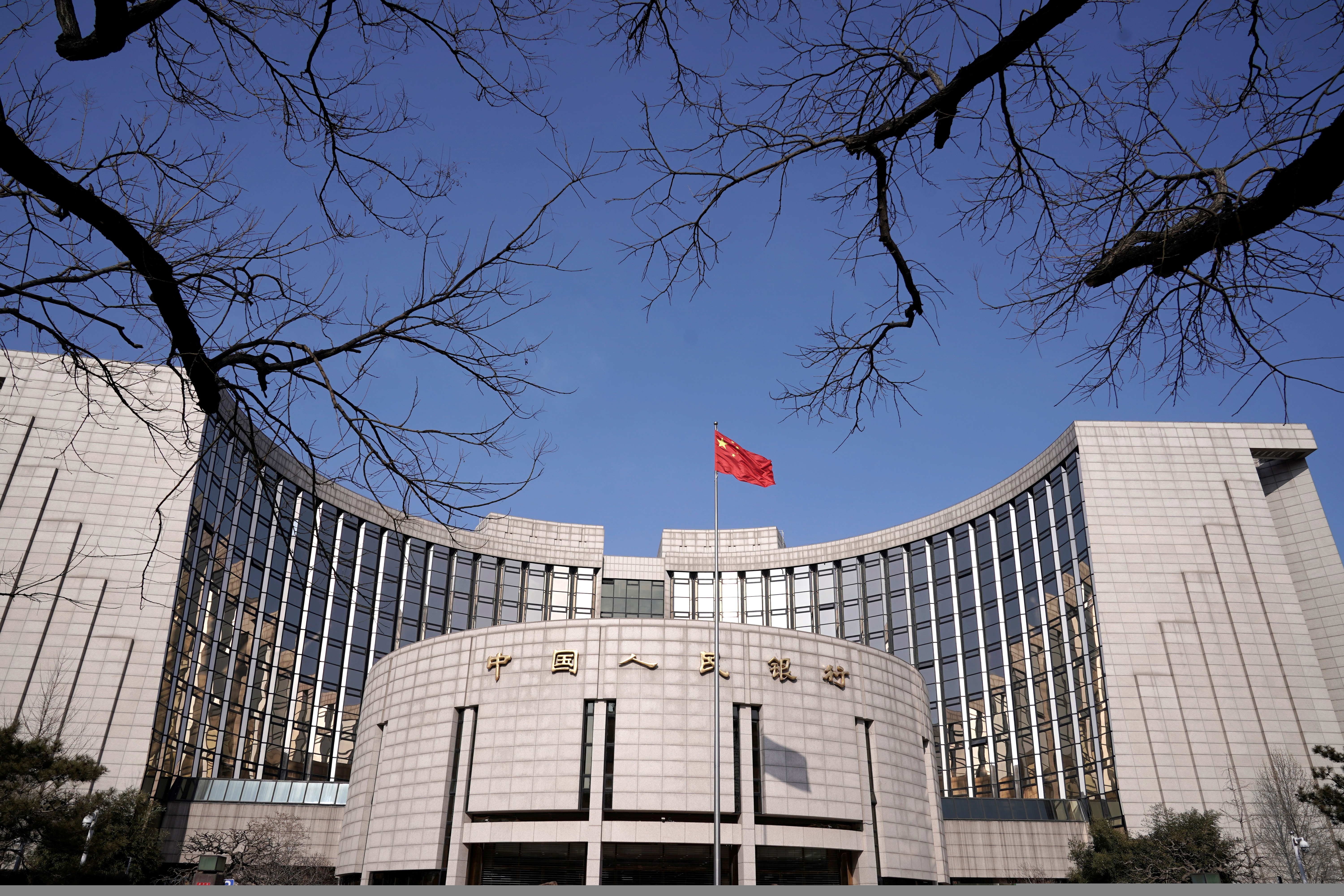
China’s 30-year treasury futures rose 50 ticks on Thursday after the People’s Bank of China said it would conduct overnight reverse repos on June 29 and 30, adding a one-day tool to steer funding costs during a tight month-end cash window.
The announcement gives traders something more concrete than the framework speeches that have shaped debate since Governor Pan Gongsheng’s June 17 comments. The central bank had signalled a framework that would put more weight on the overnight rate than on the seven-day tenor now used as the main money-market reference. With an overnight reverse repo, the PBOC can inject cash for a single day and work directly on the front end of the curve, instead of relying only on a weekly instrument.
The timing points to a narrower aim than broad easing. The operations are set for June 29 and 30, when banks square quarter-end books and demand for cash usually rises. The seven-day reverse repo rate remains 1.4 per cent, and the PBOC said the operations were meant to “better meet short-term liquidity needs.” In market terms, Beijing wants overnight funding to stay closer to the level policymakers choose when cash strains build.
Why the tenor matters
A shift from seven days to overnight sounds technical, but it changes the point where policy first touches money markets. One-day operations give the PBOC a faster grip on borrowing costs that banks and dealers see each morning. In Reuters’ earlier report on the framework shift, Zhou Hao of Guotai Junan International said the overnight rate had become the more effective operating point for monetary control.
“To improve monetary policy management, the overnight rate remains more effective than the seven-day rate,” Zhou said, according to Reuters.
The market read-through was bond-positive. Guosheng Securities said the overnight bidding rate could be about 1.3 per cent, below the current seven-day reverse repo rate, which would help pull overnight funding costs lower. That makes the corridor around short-term rates easier to read and can sharpen transmission into government bonds. The 50-tick move in long-dated treasury futures suggested traders saw a refinement of the PBOC’s operating framework, not an emergency easing signal.
From signal to tool
The decision is the practical follow-up to the broader rate-regime shift already taking shape in China. Pan’s June speech pointed markets toward a system that relies less on one headline policy rate and more on frequent liquidity operations at the very front of the curve. Thursday’s move gives that idea its first plumbing. The change looks small in headline form; in market mechanics, it tells traders which part of the curve Beijing wants to influence first.
It is still too early to call this a full benchmark change. Reuters noted that the overnight tool may start as a supplementary facility rather than a daily instrument, much as China set up temporary overnight repo and reverse repo tools in 2024 before leaning harder on them this month. That leaves room for the PBOC to use the tenor around seasonal funding pressure without formally displacing the seven-day rate. It also gives officials a live test of how banks, dealers and bond investors respond when the overnight rate receives a stronger policy signal.
The next test is repetition. Markets will watch the price attached to the June 29-30 operations, whether the bank uses the tool away from month-end stress points, and whether overnight funding starts to carry more signalling power than the seven-day rate. If it does, Thursday’s announcement will look less like a technical tweak and more like the start of daily plumbing as China’s main route for steering short-term rates.
Helena Brandt
Macro reporter covering the Federal Reserve, ECB, inflation prints and jobs data. Reports from Washington.