Diesel prices stay high as oil cools after Iran shock
Diesel prices are staying high even as crude retreats, showing how refining bottlenecks, tanker risk and low inventories keep fuel inflation alive.
Gasoline and diesel markets are still flashing supply stress even as crude oil settles, a gap that matters more to truck fleets, farmers and motorists than the Brent chart alone. Brent’s retreat toward the low $70s after the Iran war removed the cleanest panic trade, but Reuters’ read of refined-product markets shows the stress has migrated downstream: European diesel refining margins above $60 a barrel, a record $64.58 U.S. Nymex 3-2-1 crack spread on July 8, and U.S. gasoline inventories that remain lean for the season.
That change is the important part of the story for consumers. A driver filling up, a carrier quoting freight, or a farmer buying diesel is not purchasing headline crude. They are paying for a finished fuel molecule that still has to be refined, stored, shipped and delivered. Each of those steps has been squeezed by war risk around Hormuz, low product inventories and a refining system that was already running with less slack than the oil market itself.
Analysts watching products rather than crude read the same market tape more darkly. The Financial Times’ reporting on Russia’s diesel export ban described a market that was already short of middle distillates before the latest Gulf disruption, with Ukrainian strikes on Russian refineries removing another shock absorber. In that frame, calmer crude is only a partial relief signal. The tighter read comes from diesel, gasoline and the spread refiners can charge to turn oil into usable fuel.
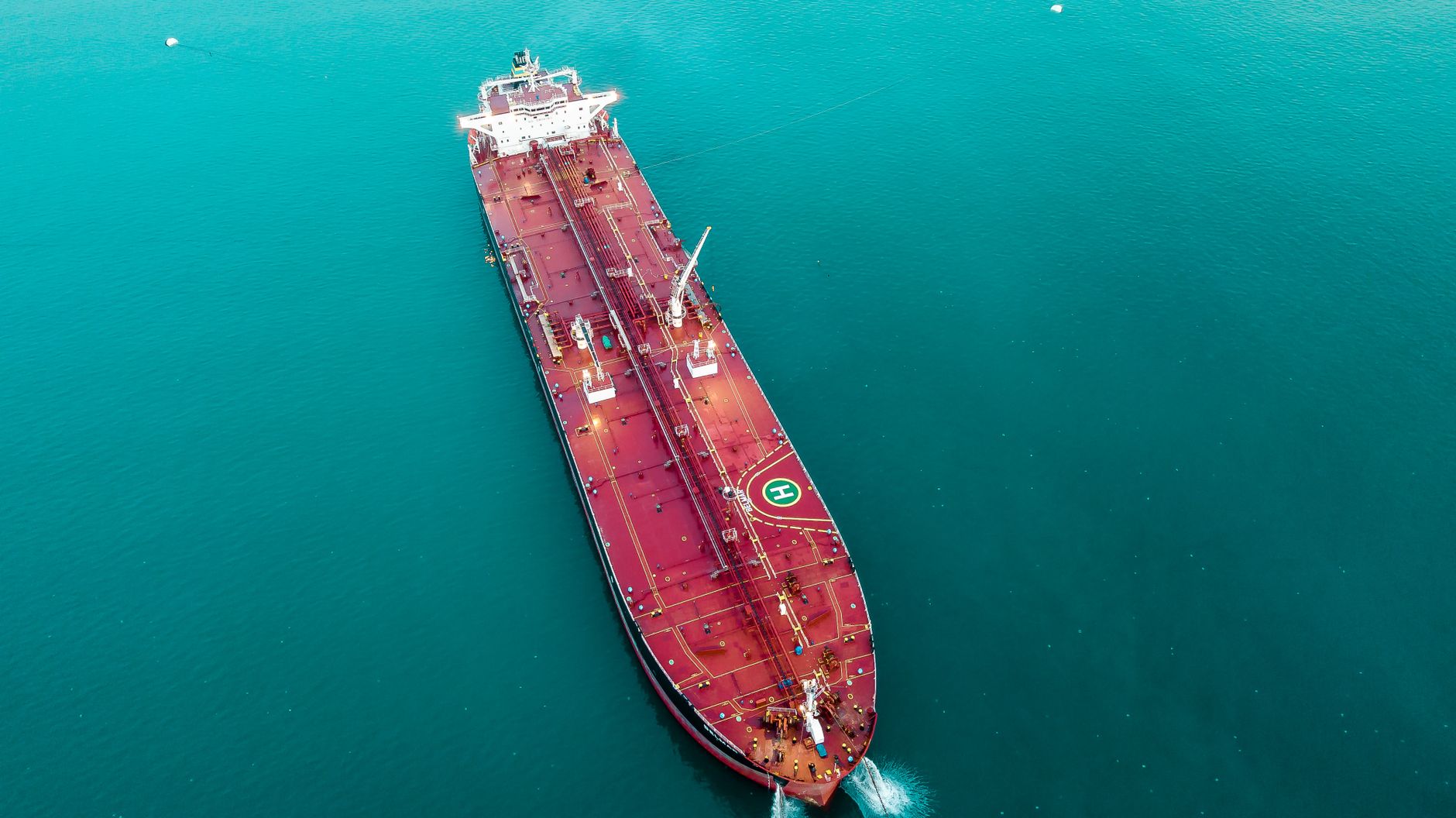
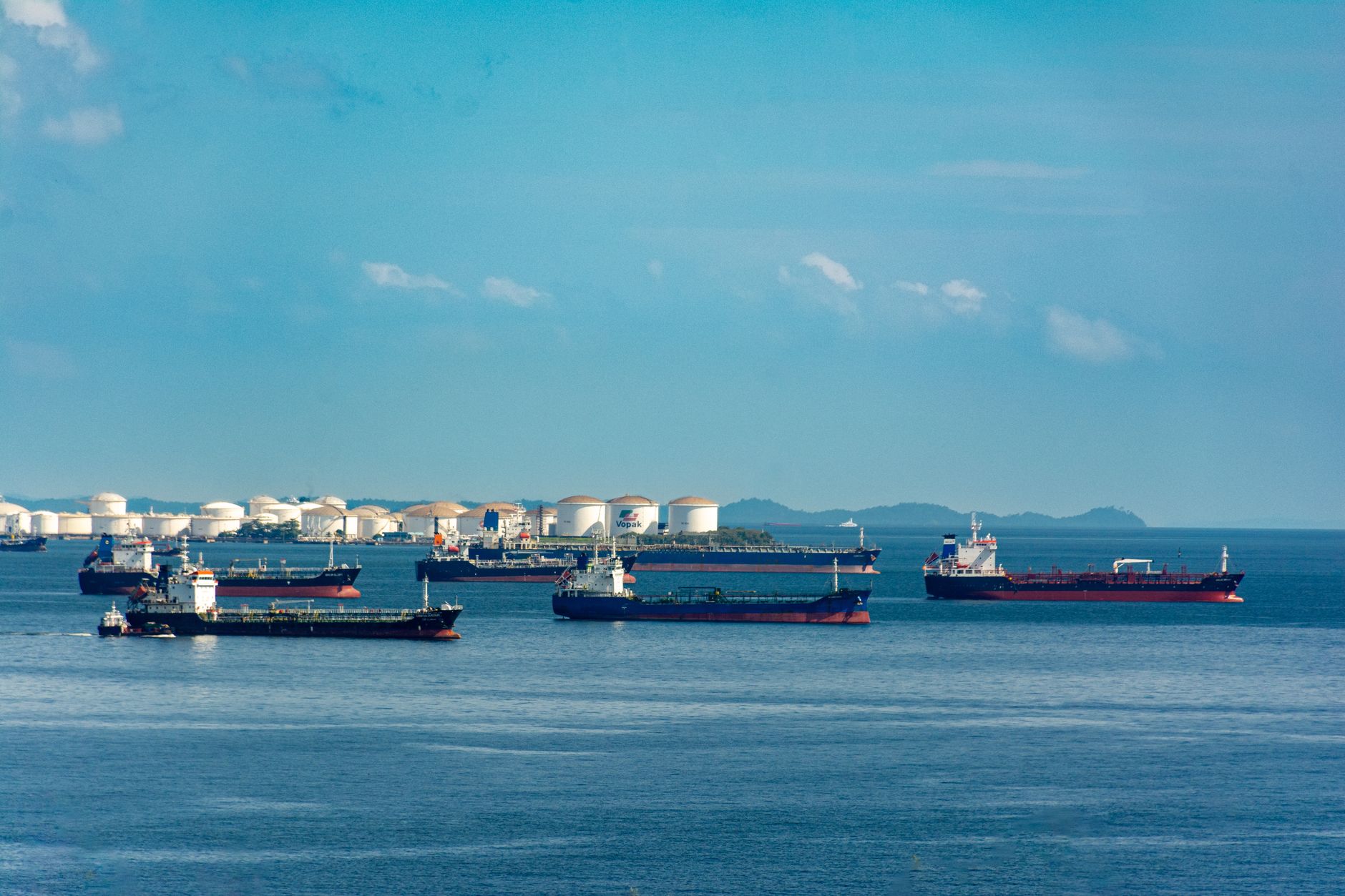
That is also why the insider view sounds more constrained than the headline oil chart suggests. Tankers are moving again through the Gulf, as The New York Times reported when flows began to recover, yet the route remains vulnerable enough that freight, insurance and delivery timing still carry a war premium. The market has moved from asking whether enough crude exists to asking how cleanly refined barrels can reach end users. Different question. More stubborn answer.
Where the squeeze moved
The clearest warning is in the part of the market most households never watch. Reuters reported that European diesel margins topped $60 a barrel, while U.S. cracks hit a record $64.58. Those are not just trading curiosities. They are the price of converting crude into transport fuel, and they jump when refiners, traders and distributors think usable supply is becoming harder to replace.

Neil Crosby, a Sparta Commodities analyst cited by Reuters, framed the constraint as a capacity problem rather than a pure crude shortage.
“There’s just not enough refining capacity left globally to deal with all this.”
— Neil Crosby, Sparta Commodities analyst, via Reuters
That line matters because it shifts attention away from the barrel count and toward the system that processes the barrel. Global refining has spent years running with thinner buffers after closures in Europe and North America, periodic outages in Russia, and stronger demand for middle distillates from freight and industry. Once that system loses flexibility, even a modest supply interruption can show up as a sharp move in diesel and gasoline spreads rather than a straight-line surge in Brent.
Amrita Sen of Energy Aspects made the same distinction in the FT’s reporting on distillate tightness. Her point was not that crude no longer matters. It was that product markets were already tighter than crude, and that another geopolitical shock hit the most brittle segment first.
“Product [ie diesel and others] markets are far tighter than crude markets.”
— Amrita Sen, Energy Aspects analyst, via FT Home
Russia’s diesel export ban compounded that vulnerability. According to the FT and Semafor’s report on the ban’s rollout, the curbs landed after refinery damage had already pinched available cargoes. That turned an Iran-related supply scare into a broader distillate squeeze. Crude benchmarks could retrace once tankers resumed loading. Diesel had fewer easy replacement barrels.
Why pump prices lag crude
For the user-affected side of the story, the obvious question is why pump prices have not fallen in step with crude. The International Energy Agency’s analysis of Hormuz pass-through offers the clearest answer: retail fuel prices respond to product costs, taxes and distribution frictions, and the historical link from wholesale to pump prices is still strong. The IEA calculated an average weekly correlation of 97 per cent between U.S. wholesale and retail gasoline and diesel prices from 2015 through early 2026.
Reuters also noted that OECD oil-product inventories remain below the 2015-2019 average, while U.S. gasoline stocks are still lean for this point in the summer. That matters because inventories are the cushion between a geopolitical scare and a retail price spike. When the cushion is thin, each tanker delay, refinery outage or export curbs reaches the forecourt faster.

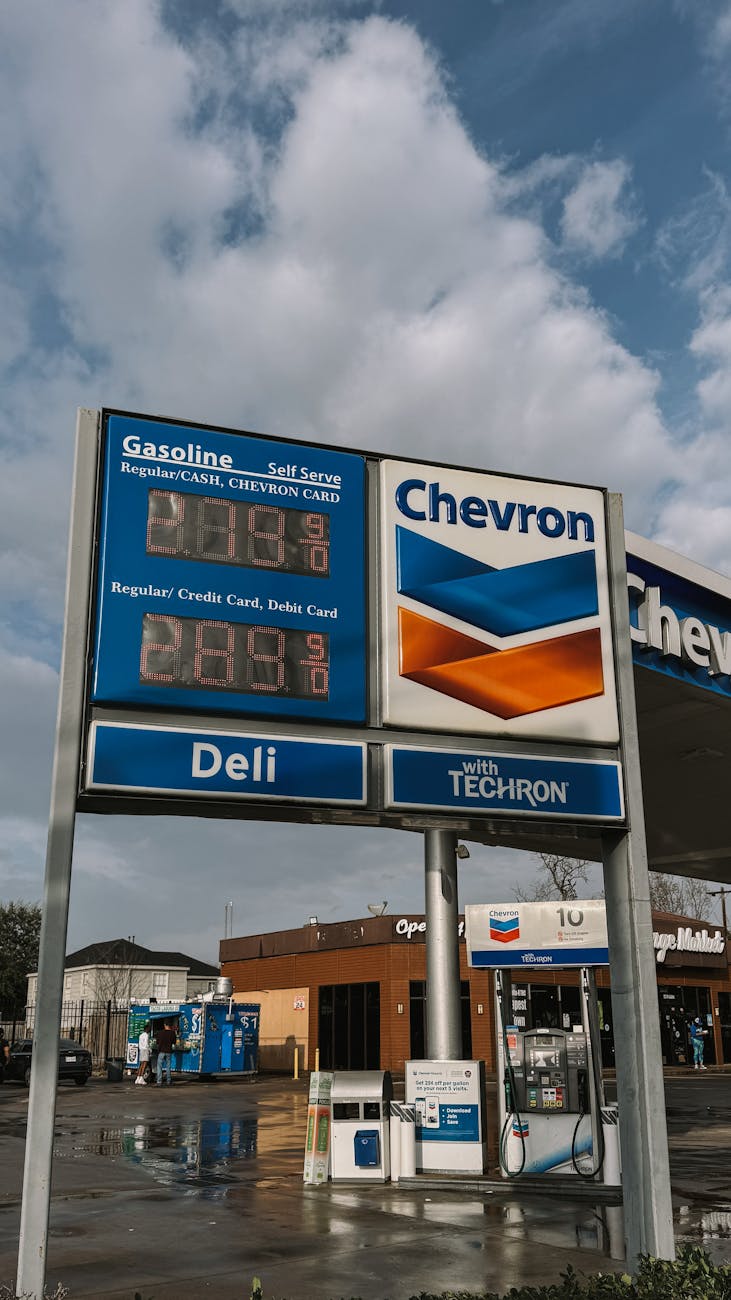
That transmission means a lower Brent print does not immediately produce a cheaper fill-up when finished fuels stay tight. The IEA said diesel and gasoline prices remained about 30 per cent above pre-war levels even after crude cooled. The New York Times reported that the U.S. average gasoline pump price was still around $3.80 a gallon this week, and Ryan Sweet of Oxford Economics argued there that the next leg of the move would help determine whether the world gets an energy-driven disinflation tailwind or absorbs a second oil shock.
Freight buyers see the problem even faster than motorists. Diesel sits inside the cost of moving food, construction materials and imported goods. When CNBC reported on the renewed slowing of tanker traffic through Hormuz, the important detail was not only the threat to crude flows. It was the risk that slower voyages, rerouting and higher insurance would keep the delivered cost of fuel elevated, especially for import-dependent economies with little refining slack of their own.
For policymakers, that keeps fuel in the inflation discussion even if oil itself stops dominating headlines. A fall in Brent usually helps central banks by easing transport and goods prices with a lag. A product squeeze works differently. It can leave freight, farm inputs and pump costs sticky enough to delay the relief households were meant to feel from cheaper crude. Bloomberg Markets argued in a July 9 analysis that this stickiness is exactly why markets are still treating fuel as an inflation risk rather than a solved commodity shock.
Governments still have tools, from strategic stock releases to temporary fuel-tax changes, but the IEA’s pass-through work suggests those moves mainly change timing. They do not create distillate molecules or spare refinery runs. That leaves the inflation risk looking operational rather than purely financial.
What markets watch next
The next signal is not simply the Brent front month. It is whether product inventories rebuild, whether tanker flows normalize without another security incident, and whether refiners can restore enough middle-distillate output to cool cracks. Each of those variables sits closer to consumers than the crude benchmark does.
History argues for caution. Semafor reported on July 7 that Iranian strikes on two tankers tested the ceasefire only days after prices had begun to relax, while the Guardian wrote on July 8 that renewed attacks quickly revived inflation worries in Europe. Those episodes help explain why traders have been willing to let crude retrace without declaring the energy shock over. The route looks passable. It still does not look safe.
That split view, calmer oil but stressed fuel, is the real read-through for commodities investors. It says the market has stopped paying only for missing barrels and started paying for missing flexibility. Refineries, inventories, export policies and freight lanes are doing the price discovery now. Until those constraints ease, the shortage signal will keep showing up where households and businesses actually buy energy, not only where traders price the barrel.
Reza Najjar
Commodities desk covering oil, natural gas, gold and base metals. Reports from London.