Tag
#International Energy Agency
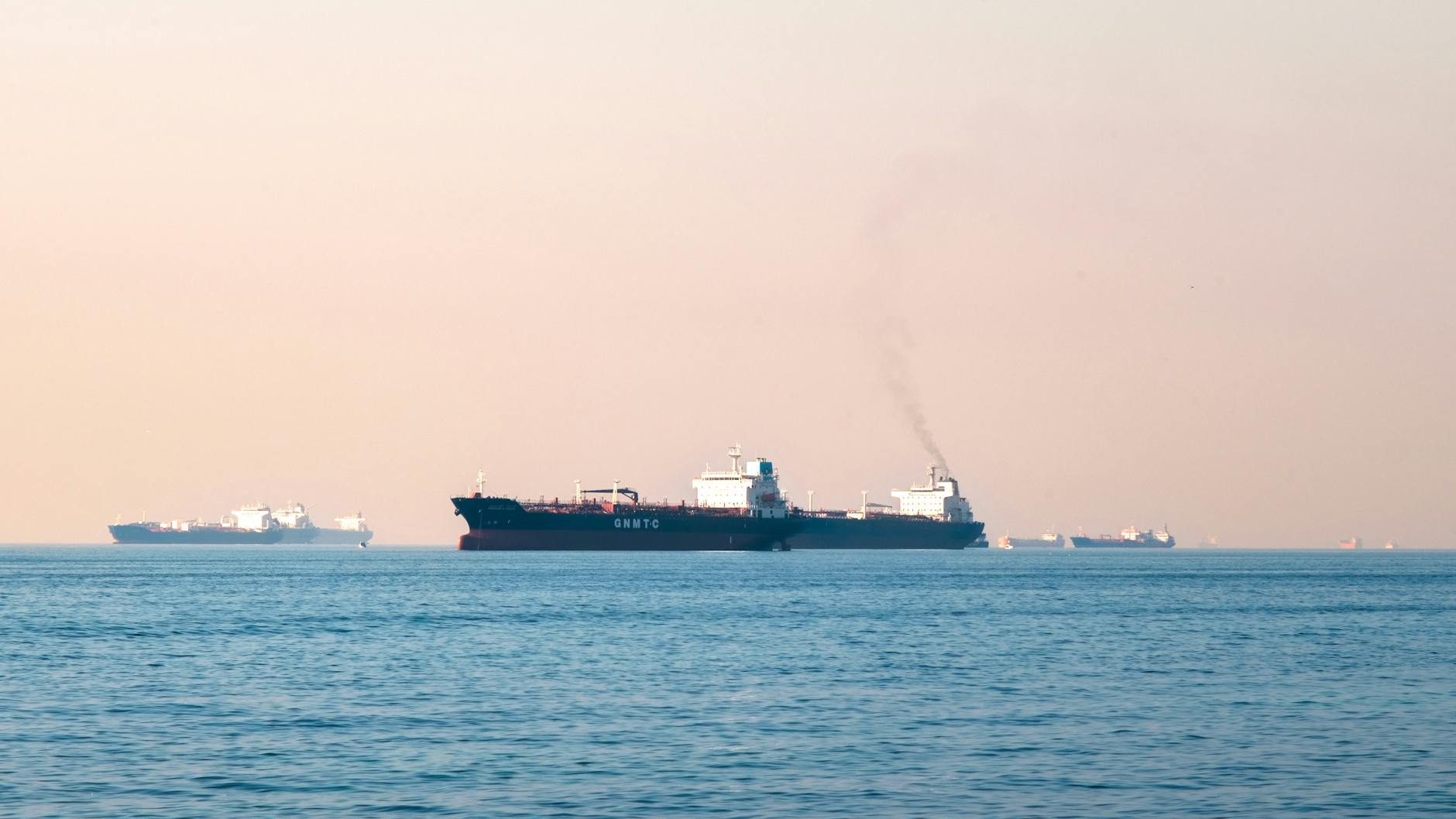
Diesel prices stay high as oil cools after Iran shock
Diesel prices are staying high even as crude retreats, showing how refining bottlenecks, tanker risk and low inventories keep fuel inflation alive.
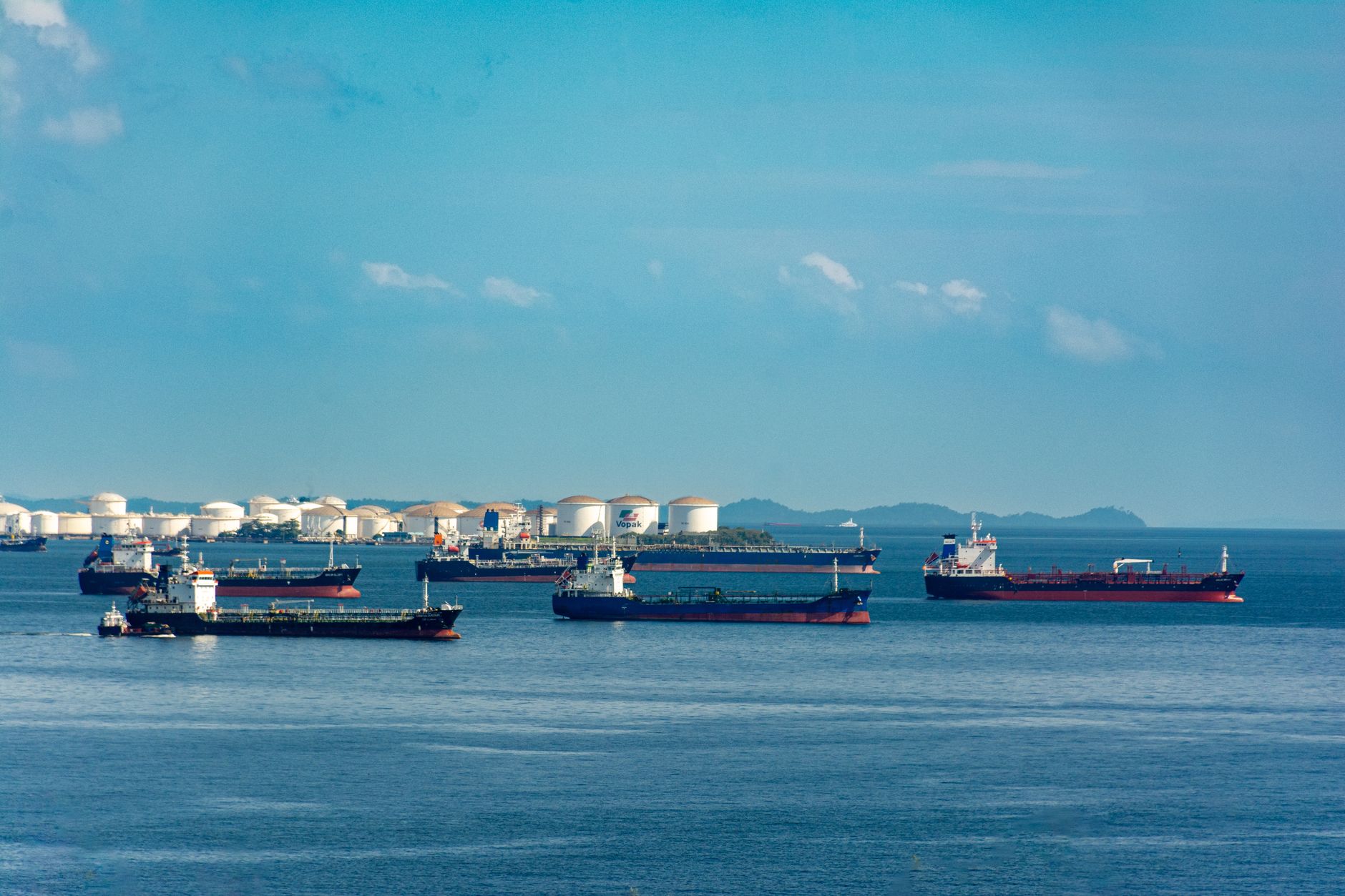
Oil inventories thin out, raising Hormuz shock risk
Oil inventories are thin enough that another Hormuz setback could hit fuel prices, inflation and risk assets harder than futures imply.
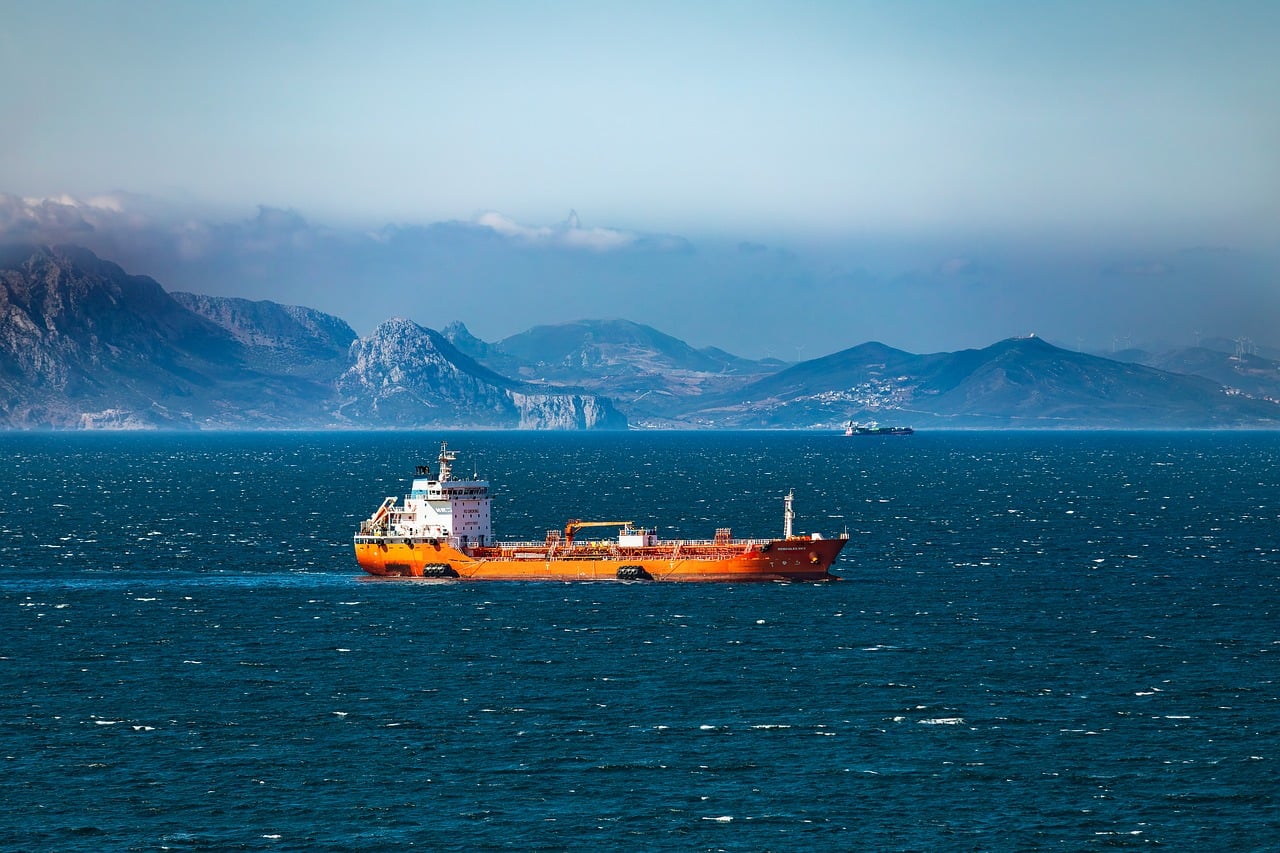
IEA warns oil market could enter 'red zone' without Hormuz reopening
The IEA's warning points to a midsummer risk: reserve releases can cushion the first Hormuz shock, but not an extended squeeze into peak demand.

Oil demand destruction is turning into a shipping trade
Oil demand destruction is capping crude upside, but longer rerouted voyages are still lifting tanker and dry bulk shipping earnings.
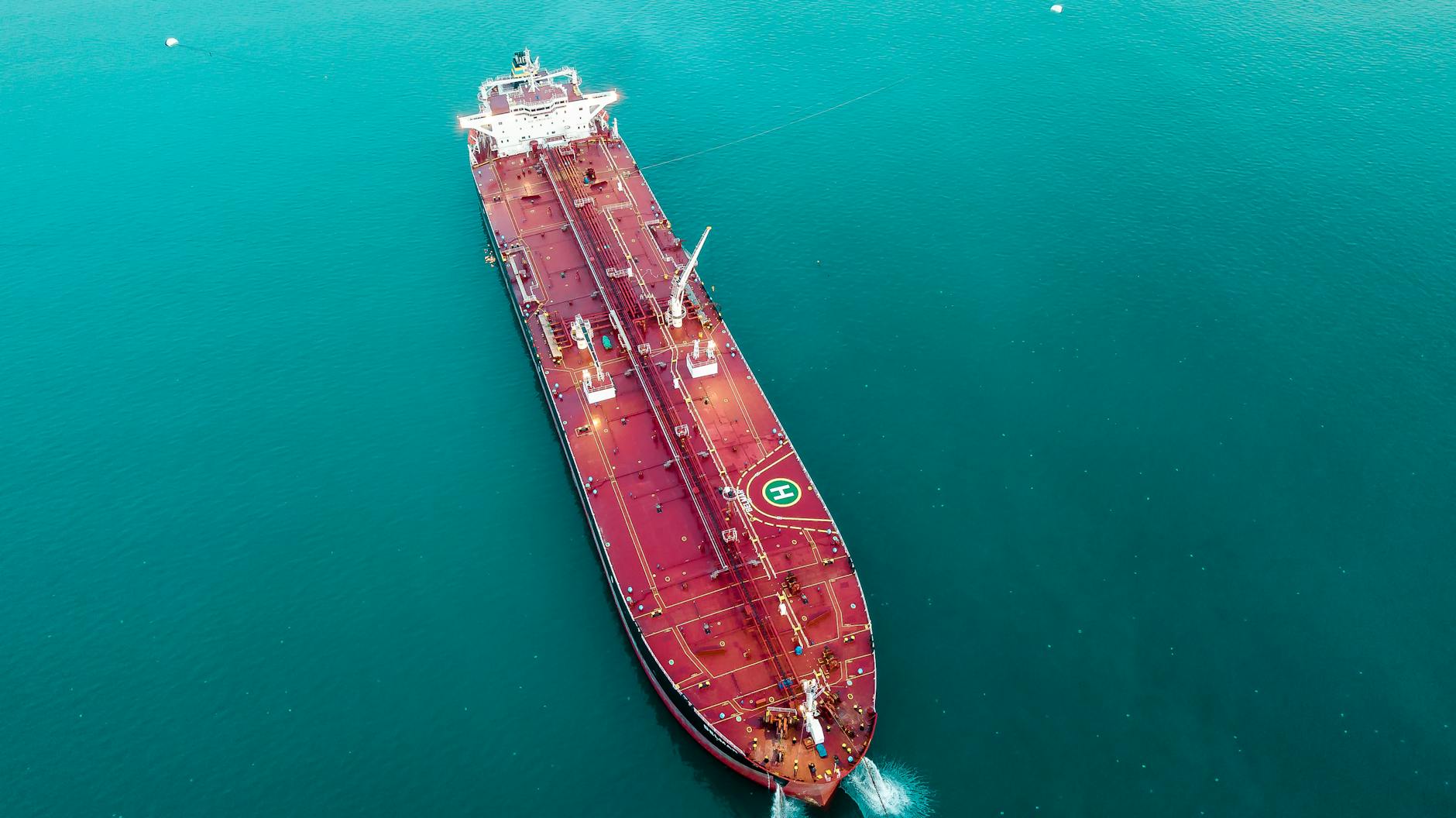
US fuel prices may stay high after any Iran ceasefire
US fuel prices may stay high after any Iran ceasefire, with gasoline near $4.55 a gallon as inventories, refining and travel demand stay tight.
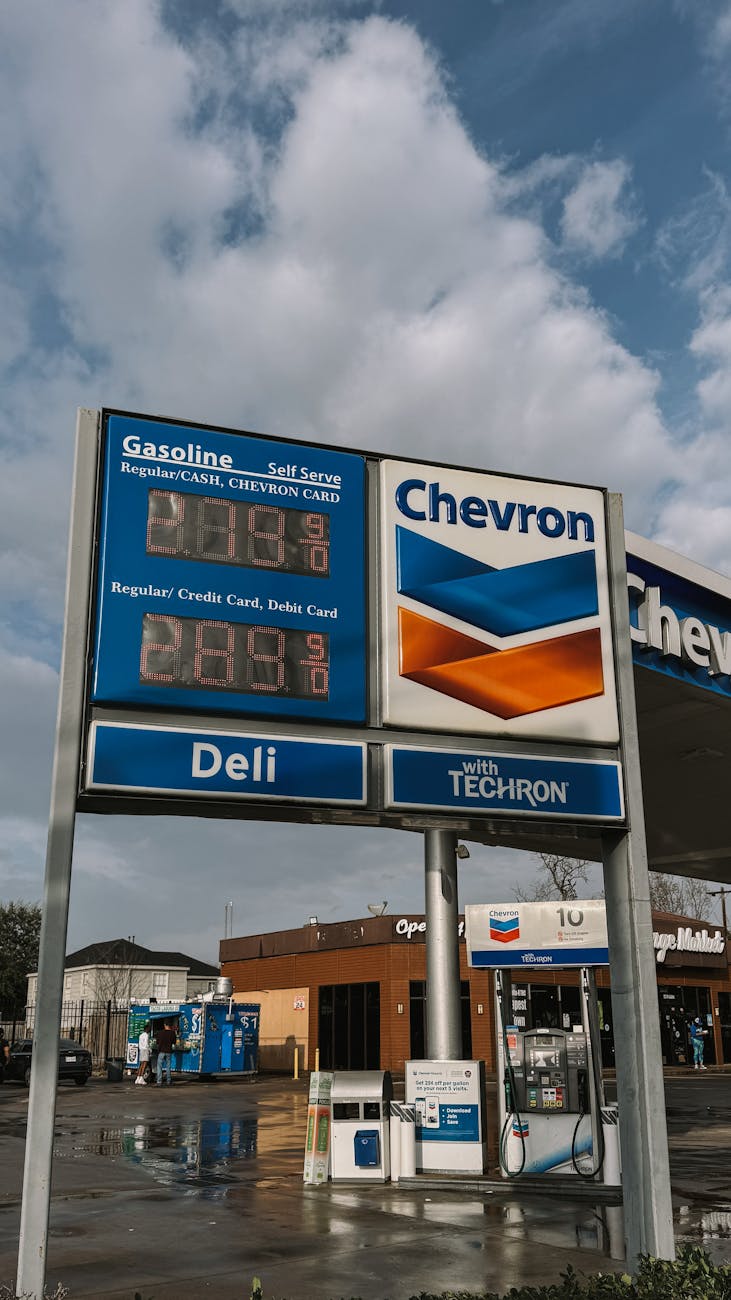
Hormuz Blockade and El Niño Converge Into a Commodity Super-Inflation Storm, Citi Warns
Citi Research issued its most severe commodity inflation warning to date, arguing the simultaneous Hormuz blockade and emerging super El Niño could push Brent crude past $150 a barrel while squeezing global food supplies through fertilizer disruption and drought in the same growing season.
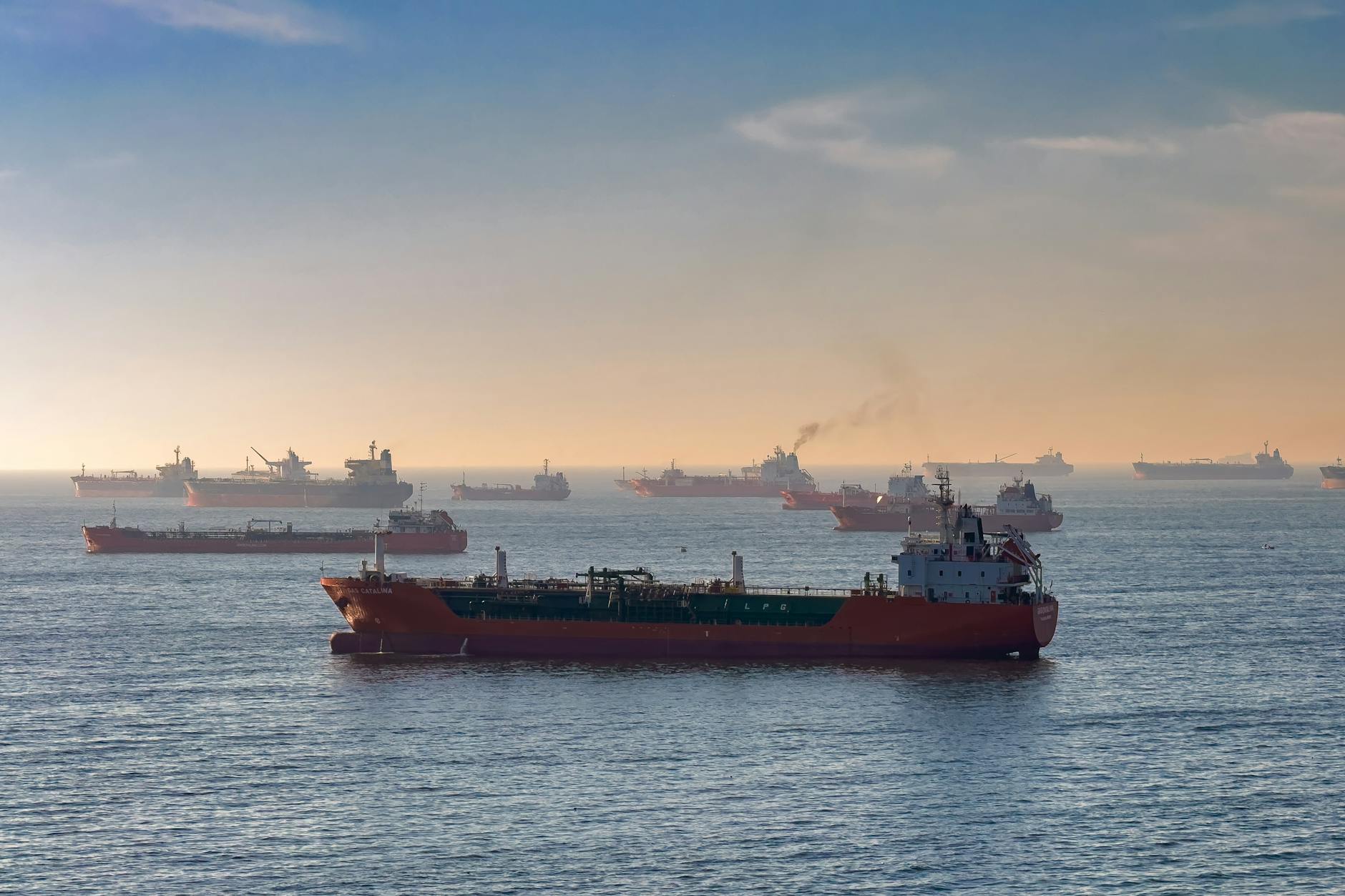
Ryanair fuel warning sharpens stress test for Europe's weaker airlines
Ryanair's 80 per cent fuel hedge leaves it better insulated than many rivals, turning a jet-fuel spike into a margin and solvency test for weaker European carriers.

China and US use supply channels to contain Middle East oil shock
China's 3.6 million bpd import cut and a 3.5 million bpd U.S. export surge blunted the Gulf shock, easing pressure on oil, inflation and yields.
Strait of Hormuz oil disruption: Stockpile squeeze deepens
Strait of Hormuz oil disruption: UBS, JPMorgan and the IEA warn stockpiles could hit record lows if the closure persists, shifting risk from prices to scarcity.