Hormuz Blockade and El Niño Converge Into a Commodity Super-Inflation Storm, Citi Warns
Citi Research issued its most severe commodity inflation warning to date, arguing the simultaneous Hormuz blockade and emerging super El Niño could push Brent crude past $150 a barrel while squeezing global food supplies through fertilizer disruption and drought in the same growing season.
Citi Research issued its most severe commodity inflation warning to date on Tuesday, arguing that the concurrent Strait of Hormuz blockade and an emerging super El Niño are converging into a historically rare “double shock” — one that could drive Brent crude past $150 a barrel while squeezing global food supplies through fertilizer disruption and multi-continent drought in the same growing season.
The severity sits in the simultaneity. Previous commodity crises hit energy or food, rarely both at once — the 1973-74 oil embargo drove a parallel food spike, but that was a single-region supply shock amplified by policy error. What Citi’s commodities team, led by Max Layton, and chief economist Nathan Sheets described on May 19 is different in kind: two independent supply-side shocks feeding each other through the same trade chokepoint, with a six-to-nine-month horizon that pushes global oil inventories toward levels not seen since the 1970s. Global spending on crude and refined products has already reached $4.6 trillion annualised, or 3.7 per cent of global GDP, against a pre-crisis baseline of 2.1 per cent.
The energy channel
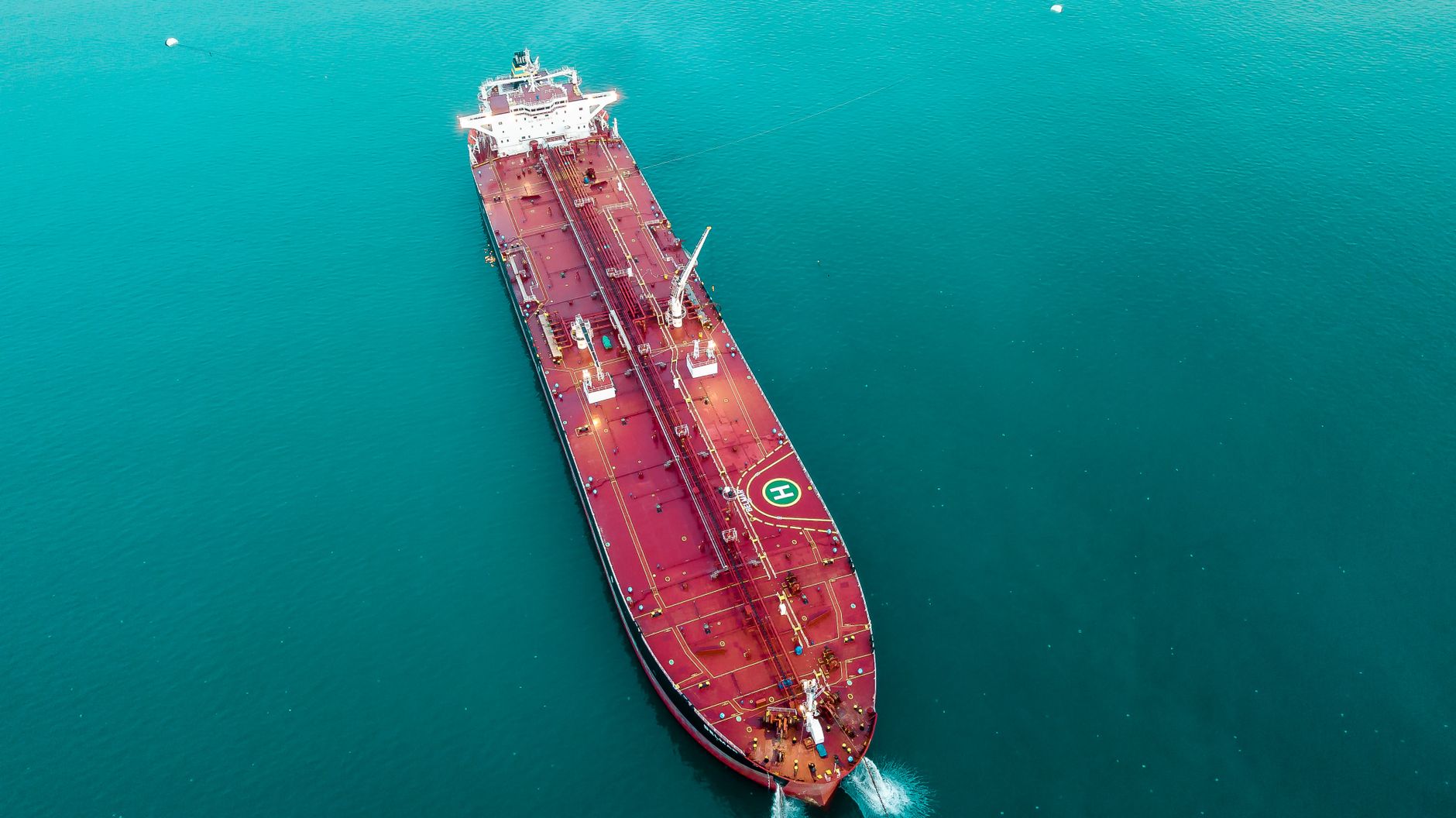
More than 11 million barrels per day of Gulf crude remain curtailed by the Strait closure, alongside roughly 80 million tonnes per annum of LNG capacity that remains inaccessible. Citi’s base case puts Brent at $120 to $150 a barrel near term, while Wood Mackenzie’s worst-case analysis — issued separately — warns crude could approach $200 if the Strait remains closed through year-end, contracting global GDP by 0.4 per cent in 2026.
“The upside risks to energy and food prices are highly asymmetric; if current conditions persist for six to nine months, global oil inventories could fall to levels last seen during the 1970s oil crisis.”
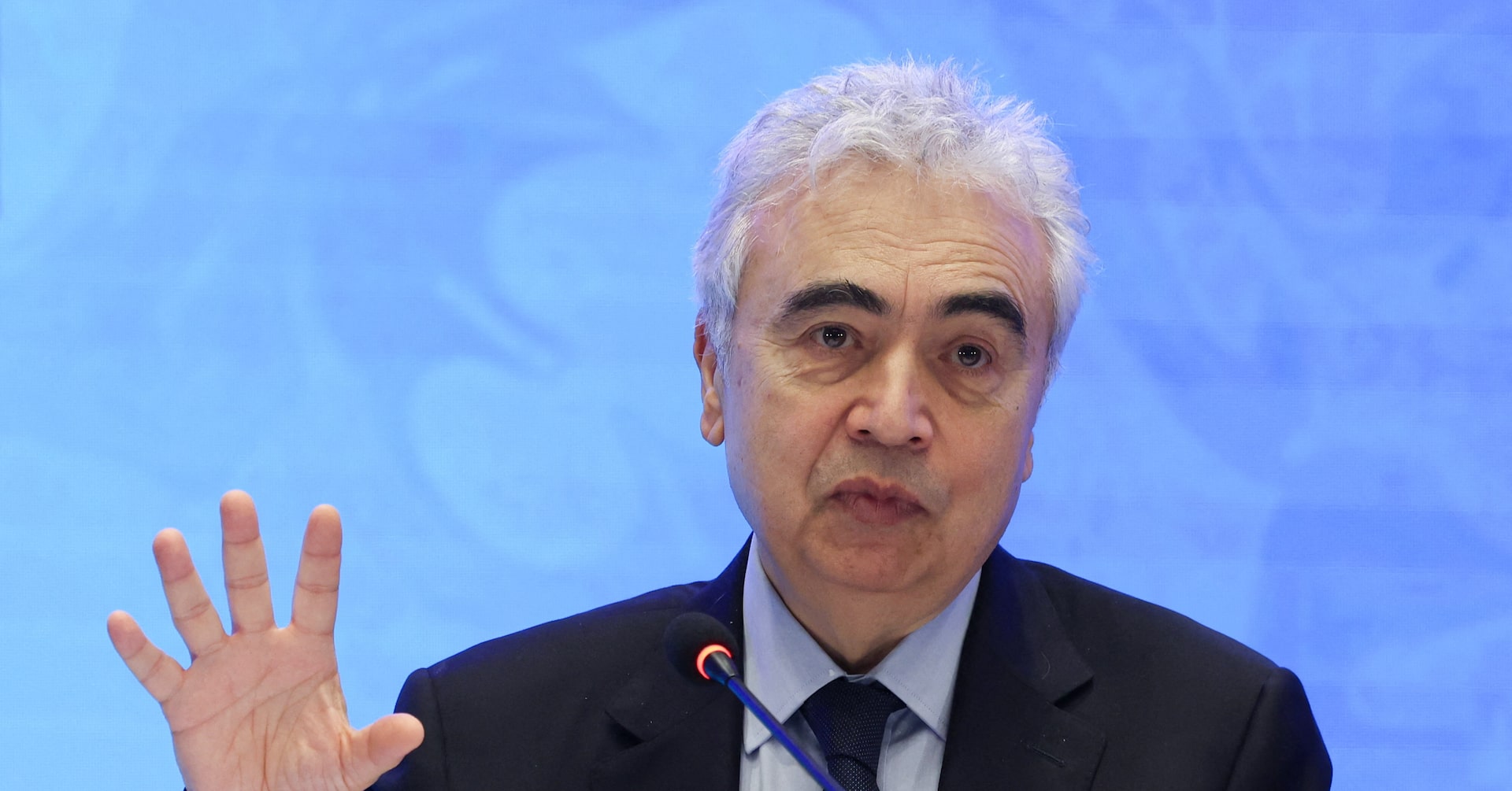
Inventory depletion is accelerating faster than the sell-side consensus expected. The IEA warned on May 14 that global reserve drawdowns could average 2.6 million barrels per day for the full year, with roughly 9 per cent of global refining capacity knocked out. Fatih Birol, the IEA’s executive director, called the current crisis “the biggest energy crisis in history.” The physical-shortage argument — advanced by the FT’s Martin Wolf — holds that product-specific crudes and refined products like diesel and jet fuel have no straightforward substitution path, meaning rationing in Europe and Asia becomes a live question before year-end.
The fertilizer cascade
The most overlooked transmission channel runs through fertiliser. The Strait of Hormuz carries roughly 49 per cent of globally traded sulphur, 36 per cent of urea, and 29 per cent of ammonia — all of which have been disrupted since the blockade began. Citi had flagged this risk in March, warning that a fertiliser shock is more dangerous than an oil shock because crop yield damage reveals itself months after application, when replanting isn’t possible.
“The Strait of Hormuz is the most critical chokepoint in global energy markets, and a prolonged closure would become far more than an energy crisis.”
Brazil and India are entering their primary planting seasons now. The fertiliser that doesn’t arrive this quarter will show up in harvest data six to nine months later — roughly the same window Citi’s analysts identify for oil inventories to reach crisis levels. Peter Martin, Wood Mackenzie’s head of economics, told gCaptain the closure “would become far more than an energy crisis,” a framing that lands harder when you map the fertiliser numbers onto the planting calendar.
The El Niño multiplier
What makes this structurally different from the 2022 Russia-Ukraine food crisis is the weather overlay. That shock was single-region; El Niño 2026 threatens synchronous crop failures across multiple continents. NOAA now assigns an 82 per cent probability to El Niño emerging between May and July, with a 62 per cent chance of a strong event. The drought map is broad: India’s sugar belt, West Africa’s cocoa regions, Southeast Asian coffee and rice production, Ecuador, and Vietnam would all feel the strain simultaneously.

The Bloomberg Agricultural Subindex is already up 13 per cent year-to-date. Citi’s analysis points to another 5 to 14 per cent on grains alone. A 20 to 30 per cent aggregate food price surge — combining the fertiliser pass-through with El Niño drought losses — would be the kind of number that tests social stability in import-dependent developing economies, from Egypt to Bangladesh.
The bond market has already registered it
Daleep Singh, the PGIM vice chair and former Biden deputy national security adviser who designed the Russia oil price cap, described the situation as a structural break. “We’ve seen a structural break in the economy,” Singh told CNBC on May 16. “Overlapping supply-side shocks — from COVID to Ukraine to tariffs to Iran — suggest structurally higher inflation.”
The 10-year Treasury yield has pushed above 4.6 per cent, and prediction markets price a 97.5 per cent probability that the Federal Reserve holds rates unchanged at the June FOMC meeting. The Fed’s impossible trinity — near-5 per cent core inflation, a bond market demanding higher term premium, and a White House demanding rate cuts — is exactly the setup Singh describes as leading toward financial repression if yields reach 5 per cent.
“The big story right now is oil, the next story is food.”
What’s already on the shelf
Grocery inflation hit 2.9 per cent year-over-year in the latest print — the highest since August 2023. Individual categories are flashing brighter: tomatoes up 40 per cent, coffee up 19 per cent. Purdue University economists warn of a three-to-six-month lag before the full energy shock passes through to packaged food, and that lag began ticking well before the latest Citi note landed. The economist Justin Wolfers summed the sequencing bluntly: “The big story right now is oil, the next story is food.”
The policy toolkit is thin
Strategic petroleum reserve releases and Russian oil waivers have so far failed to contain the price move, as Politico reported on May 12. The UAE is fast-tracking a second pipeline to bypass Hormuz entirely, aiming to double export capacity to 3.6 million barrels per day by 2027 — a structural fix, but one that won’t arrive in time for this crisis. The China-US oil deal brokered in mid-May helped stabilise sentiment, but Chinese supertankers exiting the Gulf don’t replace 11 million barrels a day of lost throughput.
Citi’s broader prescription is that investors hedge through diversified commodity exposure. The broad commodities index is carrying a 10 per cent roll yield — the highest in nearly 30 years — and Citi’s team sees upside across energy, grains, and metals as the double shock propagates through supply chains. The question is no longer whether commodity inflation accelerates, but whether the world’s fiscal and monetary machinery can absorb two simultaneous supply crises without a recession that makes the debate moot.
Sloane Carrington
Markets columnist. Analytical pieces and deep-dives on monetary policy, capital flows and corporate strategy. Reports from New York.