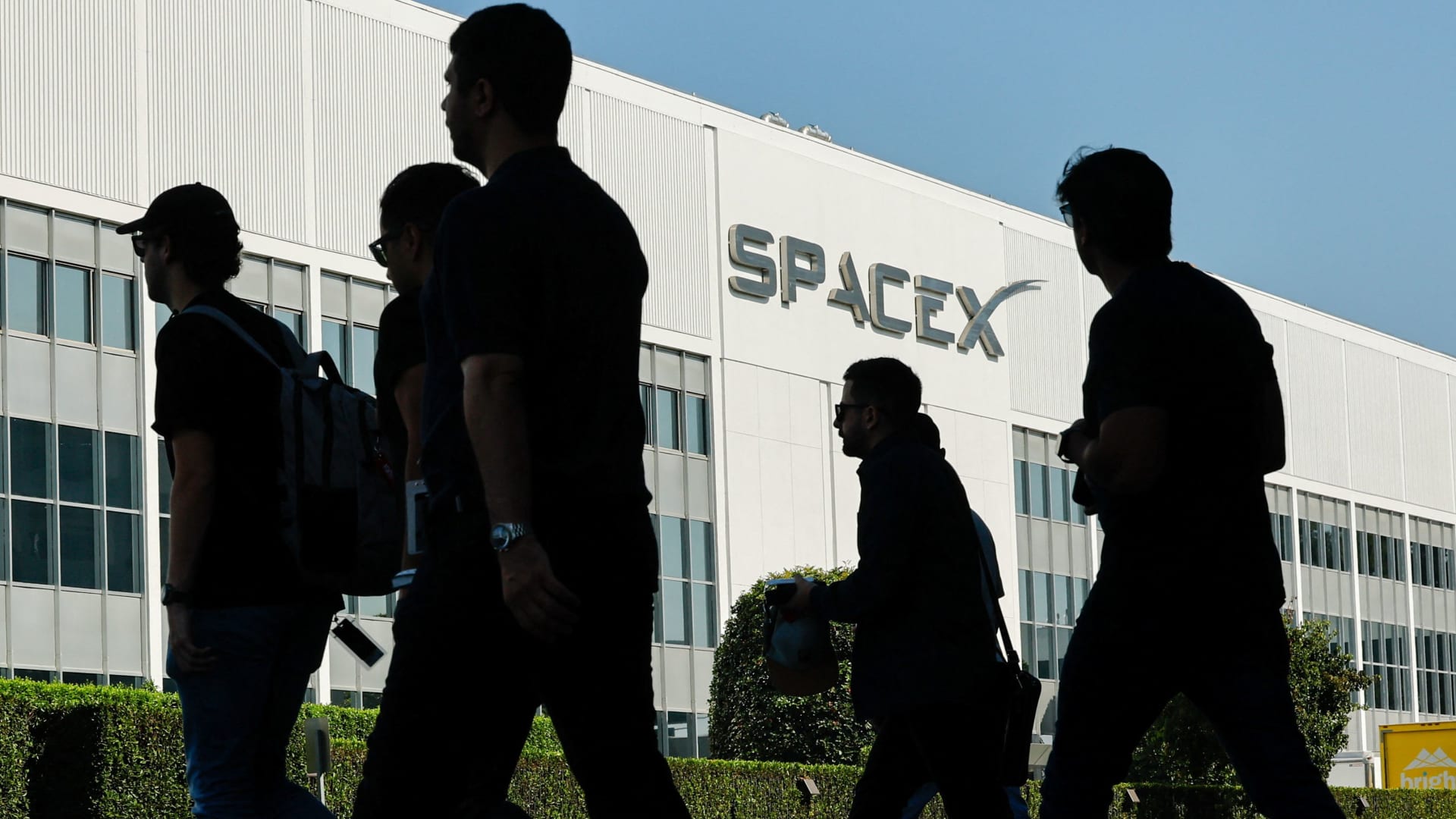
SpaceX IPO filing targets record $1.8tn June debut
SpaceX IPO filing targets a $1.8 trillion valuation and a June Nasdaq debut, with the S-1 showing $4.694 billion of first-quarter revenue.
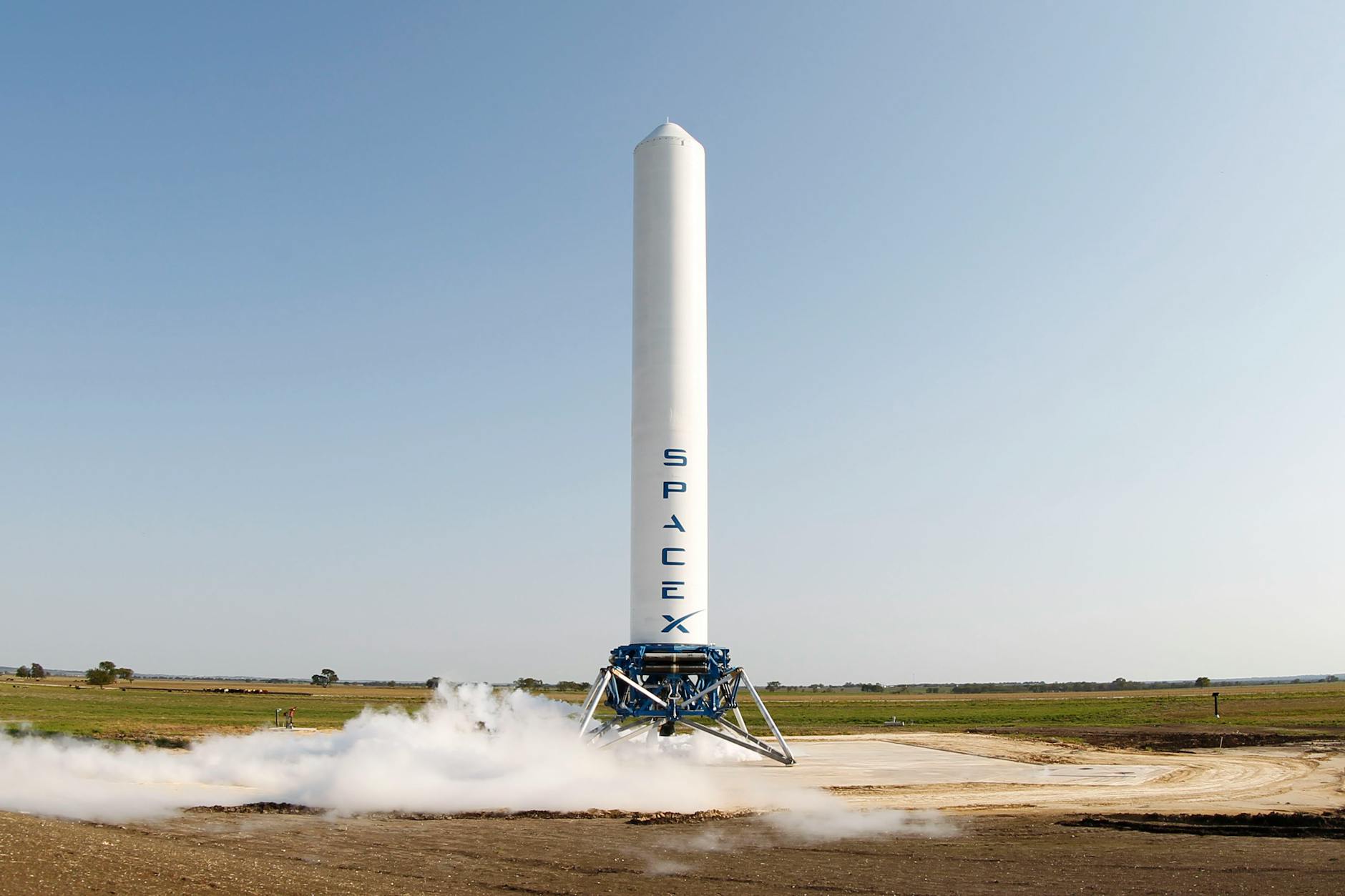
SpaceX filed its S-1 registration statement on May 20, setting up a June Nasdaq debut at a valuation prior reporting pegged near $1.8 trillion. Elon Musk’s company now stands in line for what CNBC said could be the biggest IPO ever.
The filing gives Wall Street its first broad look at the numbers behind both the launch business and Starlink, and it raises a blunt question: how much capital can the market absorb in a single offering? Reuters, via Yahoo Finance, reported that SpaceX was seeking a roughly $1.8 trillion valuation. Separate Yahoo Finance reporting said the company could raise about $75 billion. Even by 2026 standards, a financing event that large would dominate the summer issuance calendar.
The S-1 shows SpaceX generated $4.694 billion of consolidated revenue in the first quarter of 2026 and posted a net loss of $4.276 billion. Both numbers run large in opposite directions — revenue at a clip few private companies match, losses that capture the cost of building out launch capacity. The filing also disclosed $11.387 billion of 2025 connectivity revenue led by Starlink, the figure most likely to shape how public investors value the company. It signals SpaceX is more than a launch contractor, and the numbers make the case directly. For public investors, the central wager of the IPO comes down to whether Starlink can keep broadening the revenue base fast enough to offset the capital demands of launch, testing and infrastructure. The company is not yet a mature cash machine; it is still scaling two businesses at once.
What the filing showed
Goldman Sachs & Co. LLC was listed as lead left underwriter. Musk appears as founder, chief executive, chief technical officer and chairman. This is not a routine software float — buyers will be asked to price a company with capital-intensive manufacturing, an expanding launch cadence and a consumer-facing satellite internet unit that already produces material revenue.
A deal of this size would land just as bankers try to reopen the top end of the IPO calendar. June timing forces large institutions to decide how much fresh money they are willing to commit to a single name. For rival issuers waiting in the wings, SpaceX’s order book could become the clearest test of whether risk appetite runs deep enough to support very large private-company exits.
Jim Cramer flagged the concern in a CNBC interview last week: “If SpaceX issues just a sliver of stock…this company could have a $5 trillion valuation.” The underlying worry is mechanical — strong demand means other growth names compete with the listing for attention and capital at the same time; softer demand means the deal’s sheer size could push underwriters to price more conservatively than the private market has.
Why the range matters
Reuters pegged SpaceX’s target at about $1.8 trillion. CNBC said prior reporting pointed to a band of roughly $1.75 trillion to $2 trillion. That spread is wide enough to matter. At the low end, the company would still be testing a valuation few public issuers have approached. At the high end, investors would be asked to bless a price that assumes Starlink growth and launch scale can outrun today’s losses.
A shift of only a few turns in the valuation multiple would move tens of billions of dollars of implied equity value — unusual even in a large-cap listing. That explains the close attention on every headline number in the S-1, and why small changes in price talk during the roadshow could reshape the final book.
The more immediate question for bankers is absorption rather than theory. A deal measured in tens of billions of dollars would not just reset IPO league tables; it would set the tone for every large listing queued behind it. SpaceX’s decision to file now, rather than wait for cleaner profitability, suggests management believes demand for scarce growth assets remains strong enough to absorb a record-sized sale.
Pricing terms and share counts come next, the two disclosures that turn anticipation into hard execution risk. Until then, the filing has already done the market’s basic work: it converted one of the year’s biggest private-company valuation stories into a live public offering, backed by revenue, losses, a named underwriting lineup and a June window for the stock itself.
Naomi Voss
Banks and deals reporter covering bank earnings, fintech, M&A and IPOs. Reports from New York.