Samsung union deal averts chip strike as Kospi rallies 7.5%
Samsung Electronics reached an 11th-hour wage deal with its labour union late Wednesday, averting an 18-day strike that had already begun throttling chip output at the world's largest memory chipmaker. The Kospi surged 7.5% on the news.
Samsung Electronics (005930.KS) reached a tentative wage agreement with its labour union late Wednesday, heading off an 18-day strike that was set to begin May 21. Chip output at the world’s largest memory manufacturer had already begun to slow.
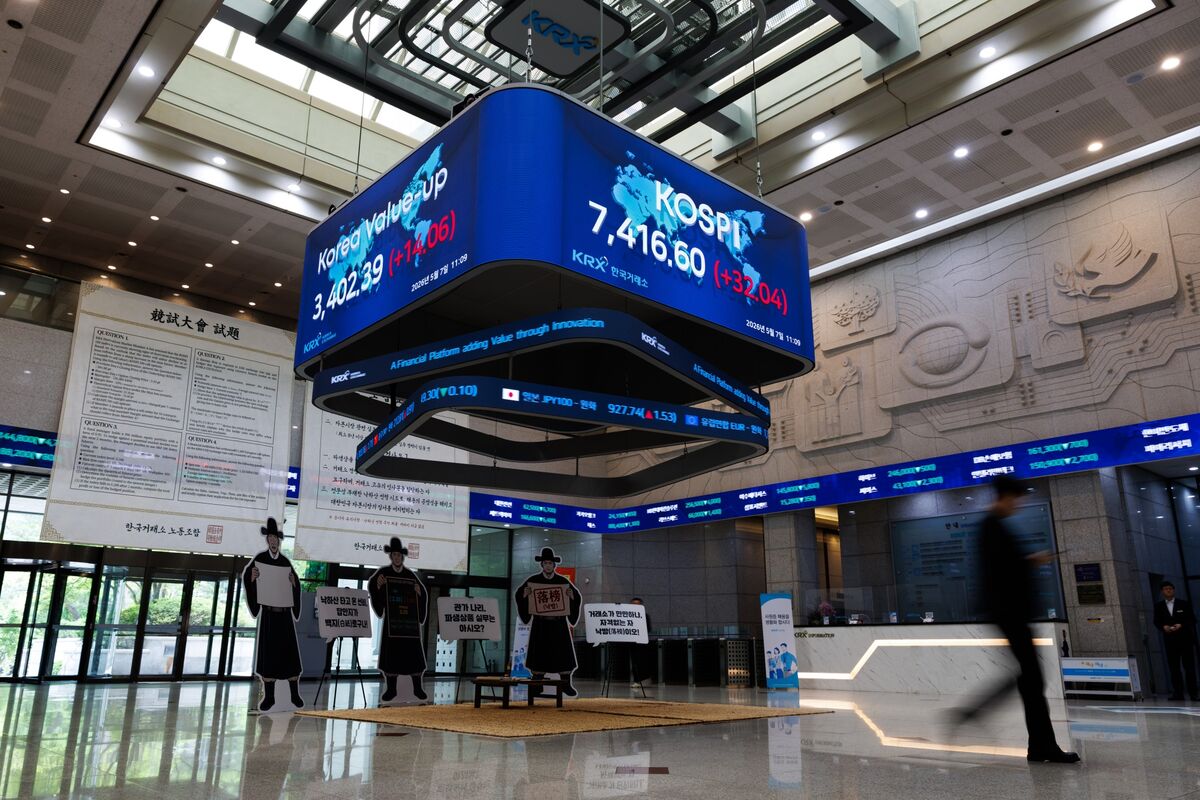
The Kospi surged as much as 7.5 per cent on Thursday. Samsung shares added more than 7 per cent. JPMorgan analysts had estimated a walkout would cost up to $2 billion a day, and the eleventh-hour deal erased that risk premium in a single session. The settlement keeps the supply chain for high-bandwidth memory (HBM) and advanced DRAM intact — the chips that power AI workloads — just as global demand runs near full capacity.
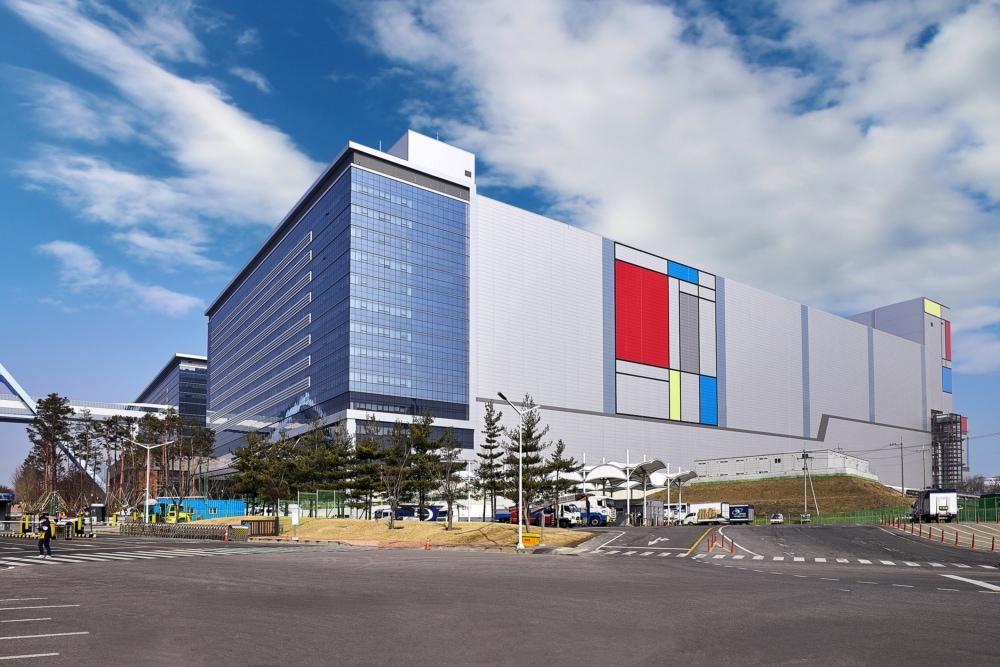
Samsung had already shifted into what it called emergency management mode. More than 43,000 workers had signed up to join the walkout, the Seoul Economic Daily reported. The company began restricting wafer input at its Pyeongtaek and Hwaseong fabrication plants while tilting the product mix toward higher-value HBM and advanced-node chips. KB Securities estimated that restarting the highly automated lines after an 18-day stoppage would take two to three weeks, pushing total disrupted output past six weeks. TrendForce projected the strike could knock 3 to 4 per cent off global DRAM supply and 2 to 3 per cent off NAND flash output, given Samsung’s roughly 40 per cent share of the DRAM market.
Under the tentative terms, Samsung’s roughly 125,000 domestic employees will get an average salary increase of 6.2 per cent for 2026, according to TradingKey. Workers in the semiconductor division secured an additional 10.5 per cent profit-linked stock bonus, well above last year’s settlement. Some employees stand to collect bonuses as high as $416,000, Reuters reported.
The union, representing about 31,000 members under Choi Seung-ho, will put the proposal to a membership vote from May 23 to May 28, Reuters confirmed. Ratification would lock in labour peace at a company whose fabs produce a dominant share of the world’s memory chips. A rejection — considered unlikely given the concessions management made — would resurrect the walkout threat just as Samsung races to close the HBM supply gap with SK Hynix, Nvidia’s (NVDA) primary HBM3E supplier.
The rally reached beyond the chipmaker. The Kospi’s 7.5 per cent intraday gain lifted the broader market off multi-month lows hit during a punishing May for Korean equities. The won strengthened 1.2 per cent against the dollar. Bond futures gave back earlier gains.
“The tentative agreement between labor and management is positive news from the perspective of reducing uncertainty,” said Ha SeokKeun, chief investment officer at Eugene Asset Management. “In addition, Nvidia’s earnings call once again highlighted that AI-driven memory demand — particularly for high-bandwidth memory and advanced DRAM — remains exceptionally strong.”
Not one analyst called the resolution the dominant market driver. It was a tailwind, they said — but global investors, buffeted by a volatile May of US Treasury yield swings and dollar-won turbulence, have more on their minds than a single company’s labour dispute.
“The labor strike matters, but global investors are far more focused on US yields, FX volatility, and the broader AI cycle,” said Jung In Yun, chief executive at Fibonacci Asset Management Global in Singapore. “Korea’s semiconductor sector remains fundamentally strong due to global AI infrastructure demand.”
The union vote is Samsung’s next near-term catalyst. If ratified, the deal lets management turn its attention to qualifying HBM3E chips with Nvidia — a process that has trailed SK Hynix and weighed on the stock through the first half of 2026. The memory market has tightened as data centre buildouts for AI inference consume available capacity. For the company that controls roughly 40 per cent of global DRAM supply, keeping the fabs running is no longer a given.
Avery Lin
Markets editor covering US equities, single-name stocks and quarterly earnings. Reports from New York.