Samsung (005930.KS) winds down chip output before 18-day strike
Samsung has started winding down chip production ahead of a planned 18-day strike, sharpening concerns over AI-memory supply, margins and the shares.
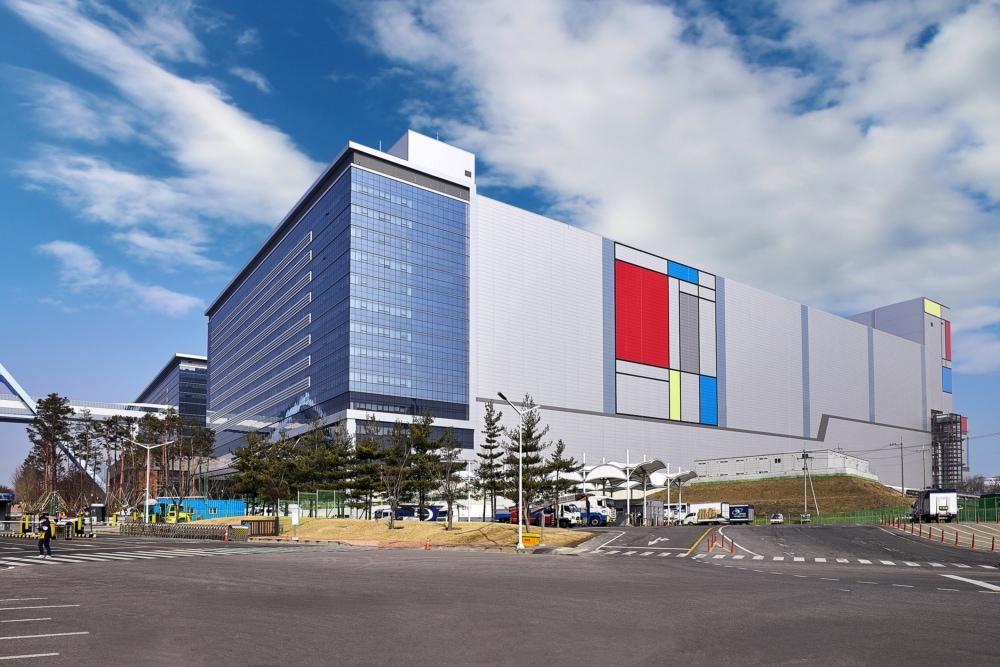
Samsung Electronics (005930.KS) has started winding down chip production ahead of a planned 18-day strike, turning a labour dispute into a live supply question for one of the semiconductor industry’s biggest memory producers. The wind-down, first detailed in an exclusive Reuters account syndicated by KFGO, means a wage fight could start denting output before the formal walkout begins.
Once Samsung started easing production ahead of the walkout, the dispute stopped being a contained wage story. It became a question about near-term chip supply and what investors should assume about memory margins if talks fail.
Samsung has been trying to show investors it can convert the global AI build-out into better memory earnings, so any reduction in output lands awkwardly. The company and its union were still apart after talks broke down. Union representative Choi Seung-ho said, “There is no reason to continue the dialogue without institutionalisation and transparency,” according to a May 14 Reuters report. Samsung said it would “continue engaging in dialogue to ensure the 2026 wage negotiations are resolved smoothly,” keeping the company publicly committed to renewed negotiations even as the strike plan held.
The scale of the threat helps explain the market reaction. Reuters reported that as many as 45,000 workers were threatening to strike and that the action was planned to last 18 days. Samsung shares fell as much as 9.3 per cent intraday on Thursday, according to Reuters’ later strike-plan update, as investors absorbed the risk that a labour dispute in South Korea could spill into a business already central to the AI-memory trade.
That drop showed investors were no longer treating the standoff as background labour noise. They were marking down the chance that a dispute at a major memory producer could alter delivery schedules and unsettle the sector’s earnings narrative.
Why supply worries are growing
A pre-strike wind-down suggests Samsung is treating the risk as operational, not hypothetical. Slowing output nearly a week before a planned walkout reads as an attempt to manage line stability, inventories and customer commitments before labour action starts. Management, it seems, sees enough risk to prepare production rather than wait for talks to resume. For buyers and shareholders, that distinction matters — it shifts the story from rhetoric to execution.
Analyst Ryu Young-ho put it plainly: “There appears to be rising concerns over delivery reliability if the strike takes place,” according to Reuters.
Delivery is where labour tension starts to become a market story. Customers may seek larger buffers. Rival suppliers can gain leverage in negotiations. Portfolio managers who had treated AI-memory demand as a straightforward earnings tailwind may need to reprice execution risk instead. The earnings exposure is also getting framed in concrete numbers: JPMorgan estimated the potential hit to operating profit at 21 trillion won to 31 trillion won, with sales losses of 4.5 trillion won, Reuters reported.
The context is awkward for Samsung. The exclusive Reuters report said the global AI boom had deepened internal divisions around pay and expectations, tying a buoyant end market to a more volatile labour backdrop inside the company. If negotiations restart, the market may treat this episode as a short-lived scare. If they do not, Samsung’s labour dispute is likely to be priced less as a domestic wage story than as a fresh variable for chip supply, memory sentiment and the shares. The next cue for investors is whether talks resume before the walkout begins.
Avery Lin
Markets editor covering US equities, single-name stocks and quarterly earnings. Reports from New York.