Anthropic-SpaceX compute deal puts a $45bn price on AI
The Anthropic-SpaceX compute deal prices frontier AI capacity at roughly $45 billion, giving Claude more room while tying a top model maker to a rival's grid.
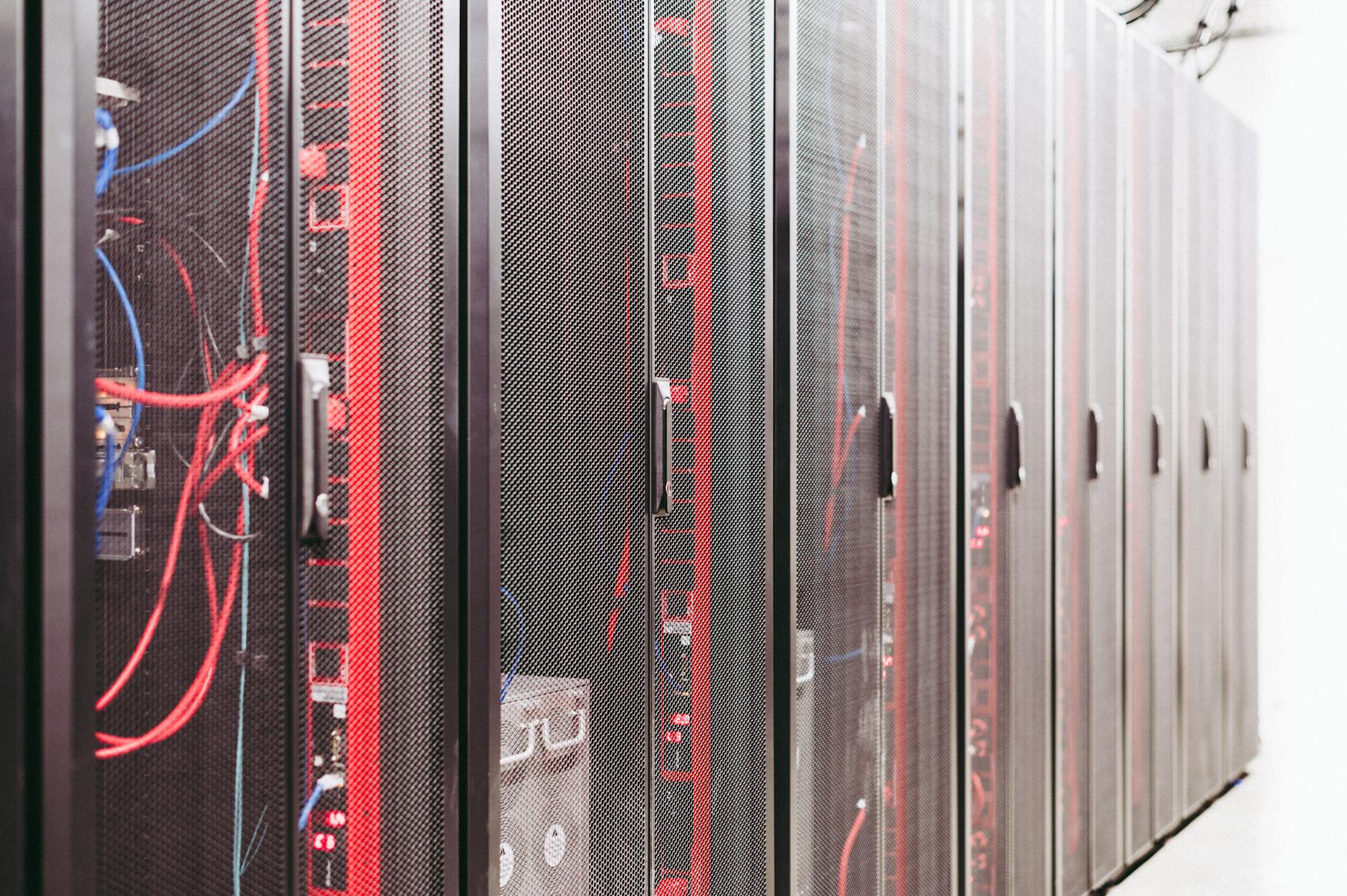
Anthropic is paying about $1.25 billion a month through May 2029 for Colossus 1 capacity, according to SpaceX’s IPO filing as reported by WIRED, turning what first looked like an odd supplier agreement into one of the clearest price tags yet on frontier AI infrastructure. At roughly $45 billion over three years, the contract says less about a single model launch than about the industrial cost of staying near the front of the AI race.
For Anthropic, the deal buys 300 megawatts of additional room for Claude products and a chance to ease the usage limits that have irritated power users. For SpaceX, it converts spare capacity, power and cooling into a recurring revenue stream just as public investors start to look through Elon Musk’s companies for durable cash flow. The scale is hard to miss: one quarter of payments under the contract would total $3.75 billion, or roughly a third of the $10.9 billion in second-quarter revenue CNBC reported Anthropic may reach.
But the most revealing part of the arrangement is not the headline number. Dependency is the real story. A leading model maker has tied a critical input to infrastructure controlled by a rival, and that rival’s owner has already framed his right to take the capacity back in moral terms. In software, customers talk about seat counts and uptime. In frontier AI, they are starting to talk like manufacturers negotiating for power, floor space and access to the grid.
A revenue line hiding in the S-1
Earlier coverage treated the tie-up as a surprising détente between Musk and one of the leading labs outside his orbit. Axios described it in early May as a way for Musk to monetise unused compute before a SpaceX listing. The IPO filing turns that interpretation into a much sharper financial story: what looked like overflow management is, annualised, a $15 billion revenue line.
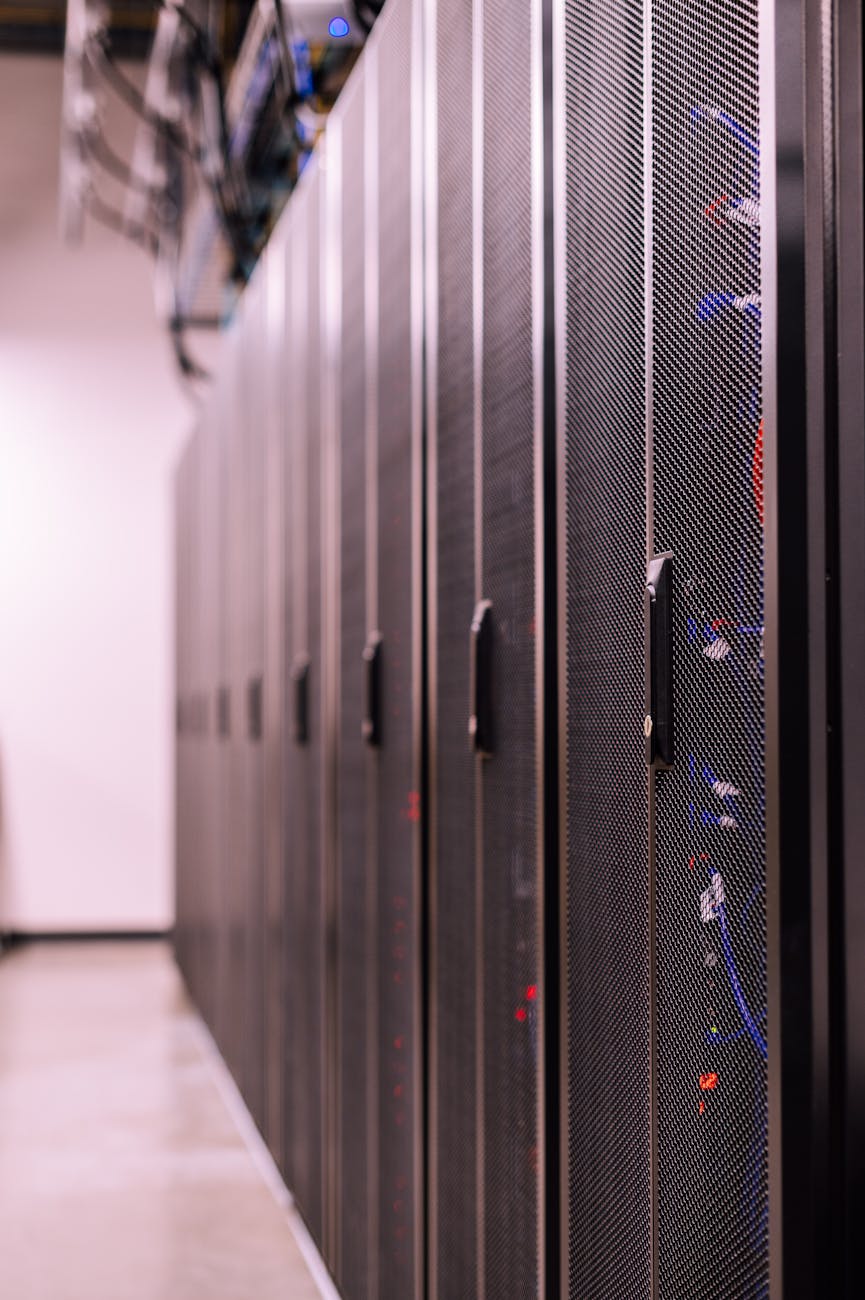
Venture-era software investors are not used to that burn rate. TechCrunch reported that xAI burned $6.4 billion last year, while WIRED separately reported that SpaceX is spending $2.8 billion on gas turbines for AI data centres. Against that backdrop, locking in a blue-chip tenant is not a side bet. It is a way to show that the capital going into GPUs, transformers, cooling and power distribution can throw off revenue before every watt is needed for in-house training.
Anthropic framed the near-term payoff in product terms rather than capital-markets language.
This additional capacity will directly improve capacity for Claude Pro and Claude Max subscribers.
— Anthropic, company update
Developers, not IPO investors, are the audience for that line. Still, it captures why this contract matters to both sides. Anthropic needs enough inference and training headroom to keep Claude available as usage grows. SpaceX needs proof that AI infrastructure can be rented out at a premium even when it sits inside a broader Musk ecosystem better known for rockets and cars than for cloud leases.
Another signal sits in the 300-megawatt figure. Anthropic said the agreement brings 300 megawatts of new capacity. That is the language of utilities and heavy industry, not the old cloud pitch about elastic compute appearing on demand. Frontier AI labs still present themselves as software companies, but the economics now look closer to aluminium smelting or semiconductor fabrication: the constraint is not only talent or model quality, it is access to huge blocks of power, cooling and hardware that cannot be improvised on short notice.
The cost of borrowed scale
Seen from Anthropic’s side, the contract looks like a forced step in an arms race that is increasingly being fought through procurement. OpenAI is preparing to file for an IPO, CNBC reported, after pushing guaranteed-capacity offerings to customers, while the Financial Times reported that Google is part of a Blackstone-backed AI cloud venture. The common thread is simple: access to compute is no longer back-office plumbing. It is product strategy.
Procurement logic, rather than romance, explains the size of the commitment. More capacity can mean more training runs, more inference throughput and less rationing for paying users. Ars Technica reported that the agreement came alongside a doubling of Claude Code usage limits, partially answering the builder’s question hanging over the whole arrangement: will extra megawatts actually be felt by users? At least in the short run, Anthropic is saying yes.
Capacity alone does not fix the economics. A $1.25 billion monthly bill implies $3.75 billion of quarterly compute expense before the rest of the company shows up: researchers, chips elsewhere in the stack, networking, sales, security, support and the cost of financing expansion. If the CNBC revenue figure proves accurate, the contract does not look reckless. But it does show that scale at the frontier is becoming brutally expensive. The labs that survive will need not just popular products but financing structures sturdy enough to absorb factory-sized fixed costs.
Bloomberg’s framing matters for the same reason. Bloomberg reported the value over three years at nearly $45 billion. Put differently, investors are not looking at a clever vendor discount or a burst of emergency overflow capacity. They are looking at a multi-year industrial lease embedded inside the software narrative of generative AI. The question is no longer whether top labs need hyperscale infrastructure. It is how concentrated their dependencies are willing to become.
A rival holds the switch
Counterparty structure is the awkward part. Anthropic is not buying neutral cloud capacity from a faceless utility. It is buying strategic room from a counterparty tied to one of the loudest competitors in AI. xAI can celebrate the contract as proof its infrastructure is commercial grade, and Anthropic can present it as a practical solution to a capacity squeeze. Both things can be true. They do not erase the counterparty risk.

Musk made that awkwardness hard to ignore when he discussed the arrangement.
We reserve the right to reclaim the compute if their AI engages in actions that harm humanity.
— Elon Musk, via Engadget
Partly theatrical or not, the remark lands. Musk was similarly jocular when CNBC quoted him saying that “No one set off my evil detector.” But jokes do not remove the underlying point. A rival controls a critical input, and the rival’s owner has chosen to describe the contract in public as something closer to conditional stewardship than routine infrastructure rental.
From there, the policy lens comes into focus. The immediate issue is not whether regulators open a case tomorrow. It is that frontier AI is drifting toward bilateral arrangements in which power, GPUs and availability are controlled by a small circle of companies that also compete with one another upstream or downstream. The more that model spreads, the harder it becomes to pretend compute is just another commodity cloud service. It starts to look like strategic capacity, with all the bargaining leverage and dependency that phrase implies.
For SpaceX investors, the contract is an appealing story because it shows an AI-adjacent revenue stream hiding inside a company better known for launch cadence and Starlink. For Anthropic users, it is a promise of fewer limits and steadier service. For the rest of the market, it is a warning about where value is moving. The labs may still sell intelligence as software, but the businesses under them are starting to resemble utilities, landlords and industrial operators. Anthropic’s deal with SpaceX puts a number on that shift, and it is much bigger than the market seemed to think.
Sloane Carrington
Markets columnist. Analytical pieces and deep-dives on monetary policy, capital flows and corporate strategy. Reports from New York.