Cerebras debut resets valuations for the next AI IPO queue
Cerebras' 70 per cent opening surge is lifting the valuation bar for SpaceX, OpenAI and Anthropic and making the 2026 IPO window tougher for smaller issuers to crack.
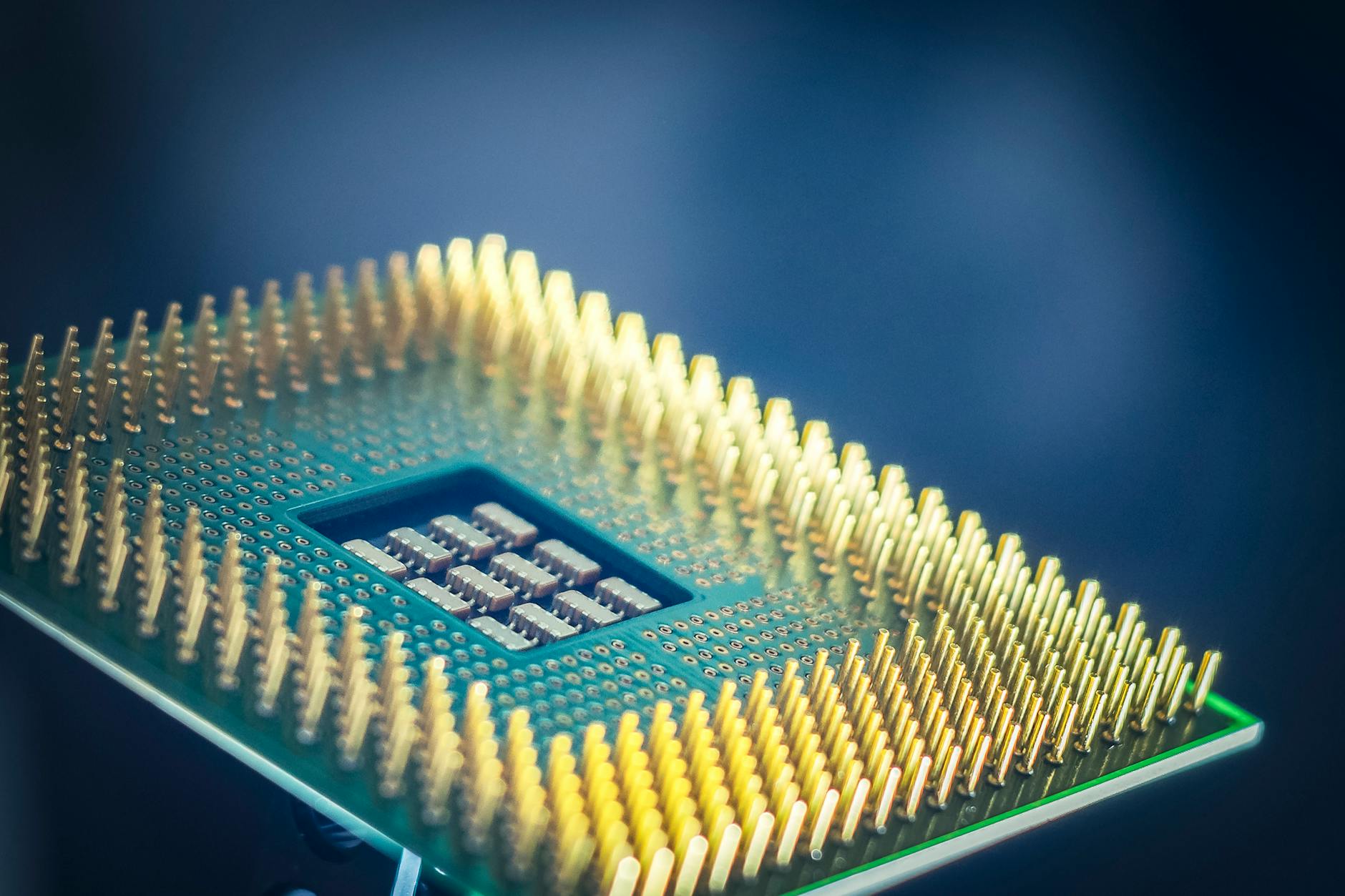
Cerebras jumped 70 per cent on its first day, landing at a $95 billion market value. For the chipmaker itself, that is a win. The companies still waiting in the queue — SpaceX, OpenAI and Anthropic — are now watching Cerebras’ market debut turn into something more useful than a rival’s victory lap: a public price signal where none existed before.
That is the real read-through for the IPO calendar. Reuters reported that SpaceX is targeting a June Nasdaq listing, a $75 billion raise and a $1.75 trillion valuation; PitchBook, meanwhile, argued that the three biggest AI offerings could seek more than $100 billion of proceeds combined. Once one issuer clears at scale, the question stops being whether the window is open. Who commands it, and who gets priced to the margins — that is what matters next.
A single pop does not prove every AI name deserves a richer public multiple. What it proves is narrower, and more important. Bankers, crossover funds and boards now have a fresh piece of price discovery in a market that had been relying on infrequent secondary transactions and private fundraising marks. For the biggest names, that shortens the distance between ambition and execution. Everyone else faces a higher entry fee.
Sam Lessin, a partner at Slow Ventures, put the concentration risk bluntly when he told CNBC, “It’s very hard to care about anything other than the $3 trillion potential IPOs that, in theory, are going to happen in the next year.” The quote sounds hyperbolic, but the market logic is familiar. Capital does not merely chase growth in an issuance boom. It clusters around the deals that look large enough to matter right away.
A bigger benchmark
SpaceX’s accelerated timetable is the clearest test of that logic. The company is not simply another AI-adjacent listing. Few issuers of this scale reach the calendar — and fewer still can reset expectations for book-building, float size and aftermarket performance across every deal that follows. If demand holds around the valuation Reuters reported, bankers pitching the next wave will have a stronger case that public buyers are willing to underwrite private-market scale, at least when the asset is scarce and the story is simple.
Beyond chips, the debut suggests public investors may still pay a scarcity premium for companies that sit close to the AI build-out, even after two years of richer private valuations and higher discount rates. A 70 per cent first-day gain is not a subtle signal. Boards reading it can conclude the market may reward urgency and narrative clarity over caution — provided the issuer arrives with size and brand recognition.
Public buyers are not suspending arithmetic, though. Scarce assets can command celebration in one deal and still face a lower multiple in the next if revenue visibility, capital needs or lock-up overhang look less attractive. The reset under way is a reprioritisation, not a blanket rerating. Scale is gaining value. Recognisability is too. Being merely adjacent to the AI theme now carries a rising penalty.
Higher yields still matter. A more expensive cost of capital usually pushes institutions toward deals that can become core holdings rather than experimental positions. That bias helps the top tier. Second-rank issuers, meanwhile, compete harder on price, structure and float discipline just as the largest names seize the market’s attention.
Cerebras has made the market more public about its preferences. Private rounds can postpone hard debates over liquidity, governance and the size of the eventual free float. A live order book cannot. Once one large AI issuer trades up sharply, the next prospectus gets read with less patience for abstraction and more focus on what public investors are actually being asked to pay for.
Who gets crowded out
Matt Kennedy, senior strategist at Renaissance Capital, warned in comments carried by BNN Bloomberg that “History tells us that a mega IPO like SpaceX can suck up the oxygen in the market.” In IPO terms, that oxygen is roadshow attention, underwriting bandwidth and institutional risk budget. Portfolio managers can stretch for a franchise deal. Five of them at once is almost never how the math works.
PitchBook’s warning about more than $100 billion of combined proceeds from SpaceX, OpenAI and Anthropic points to the same bottleneck. Even if those deals do not all land in the same month, the calendar feels their weight months ahead. Investor meetings get dominated. Analyst time gets absorbed. Comparables get set — the ones smaller issuers then have to answer to, usually without the same scarcity value or headline power.
Smaller issuers are likely to feel that pressure first. A hot market does not become an equal-opportunity market. It becomes a ranking exercise. The top names may win better price tension and tighter discounts. Smaller software, infrastructure or semiconductor issuers, by contrast, face harder questions on customer concentration, capital intensity and the durability of AI-linked demand. The window can be open and still selective. Very selective.
In practice, that means deeper discounts, more defensive float sizes and longer waits for issuers that lack a franchise story. Crossover funds may preserve room for SpaceX and the other marquee names rather than filling books earlier in the quarter with smaller deals. That is how a successful headline listing widens the market for one group while narrowing it for another.
OpenAI and Anthropic still look like beneficiaries of the stronger tone, but only if they meet the usual tests of a public offering. A successful Cerebras float and an orderly SpaceX book would suggest investors are willing to entertain valuations that once looked trapped in the private sphere. Neither outcome removes the need for enough float for institutions to build positions, enough disclosure to support the story and enough price discipline to keep the aftermarket from breaking the case on day two.
Private-market enthusiasm often misses that distinction. A blockbuster debut is not just an advertisement for higher valuations. It is a referendum on which companies can translate private mystique into public liquidity. Cerebras’ surge has made that translation look easier for the very biggest AI names — and harder for almost everybody else.
Sloane Carrington
Markets columnist. Analytical pieces and deep-dives on monetary policy, capital flows and corporate strategy. Reports from New York.