OpenAI mandatory AI testing push splits Trump order
OpenAI mandatory AI testing would go beyond Trump's voluntary order, exposing a policy split around frontier-model risk and oversight.
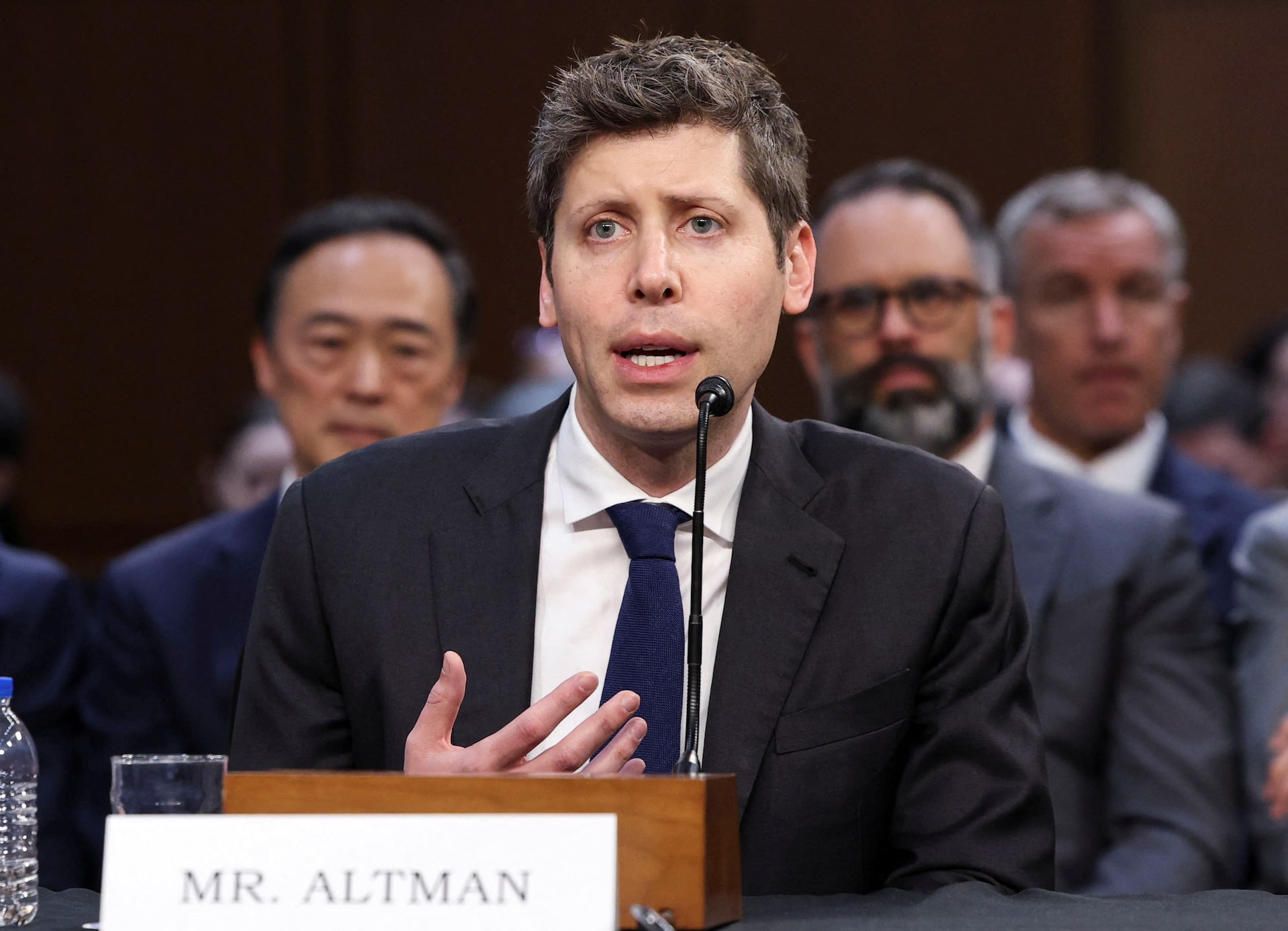
OpenAI on Wednesday urged Washington to require independent tests of the most powerful AI models, while Sam Altman told lawmakers developers should not need government permission before a release. The position puts the company at odds with the looser oversight order President Donald Trump issued this week.
In legal terms, the gap is narrow. In market terms, it is not. Reuters reported that Altman planned to tell US lawmakers AI developers should not need approval before publishing new models. Politico reported that OpenAI is still pressing for mandatory evaluations of frontier models, a step beyond the voluntary review structure in Trump’s order.
Investors have a reason to care about the distinction. Bloomberg reported that OpenAI could eventually seek a public-market valuation approaching $1 trillion. A licensing regime could slow product launches and leave the company exposed to political delay. Standardized testing, by contrast, could make compliance costs easier to model.
The executive order directs officials to develop a classified benchmarking process for advanced AI models within 60 days and allows the government to access covered models for as long as 30 days before release. It also bars officials from turning that review into a permit system, saying the order should not authorize “a mandatory governmental licensing, preclearance, or permitting requirement” for new AI models.
The testing line
OpenAI’s argument is that outside testing can exist without a formal release license. Chris Lehane, the company’s chief global affairs officer, told Politico the choice should not be left only to the labs building the systems.
“We don’t think any specific lab should be making that decision unilaterally.”
Lehane also pointed to the Center for AI Standards and Innovation, known as CAISI, as a possible federal testing body. “You also have CAISI that has developed into something and has the capability to really do the type of sophisticated testing,” he said, according to Politico. Such a setup would give Washington a technical checkpoint while keeping Altman’s anti-preapproval position intact.
What OpenAI is offering is a middle path with political risk attached. The company is not asking the government to clear every model release. It is asking for a mandatory process that could tell the public, customers and policymakers whether a frontier system crossed a risk threshold before it was widely distributed.
The politics run in different directions. Voluntary review preserves the innovation-first framing of Trump’s order. Mandatory evaluations could help OpenAI head off a patchwork of state rules and private lab standards. Smaller competitors may see a different problem: a testing system shaped around the largest model developers could become a barrier to entry.
Washington’s next move
Altman’s lobbying push is already under way. CNBC reported that the OpenAI chief met with lawmakers and Trump administration officials after the order, a sign that the company wants to influence the rulebook early rather than respond later.
Lawmakers now have to decide whether OpenAI’s proposal is a safety standard, an industry-friendly compromise or licensing by another name. The answer will matter beyond OpenAI. It will shape the cost of releasing frontier models, the speed at which rivals can ship them and the regulatory discount investors apply to the AI buildout.
The company is in an unusual position: resisting pre-release approval while asking Washington to make somebody else’s evaluation mandatory. Trump’s order keeps that door mostly voluntary for now, but the split has already moved the AI oversight fight from ethics language to market structure.
Tomás Iglesias
Financial regulation and legal affairs. SEC, CFTC, FCA, market-structure and enforcement. Reports from Washington.