Fed rate hike odds rise after Logan inflation warning
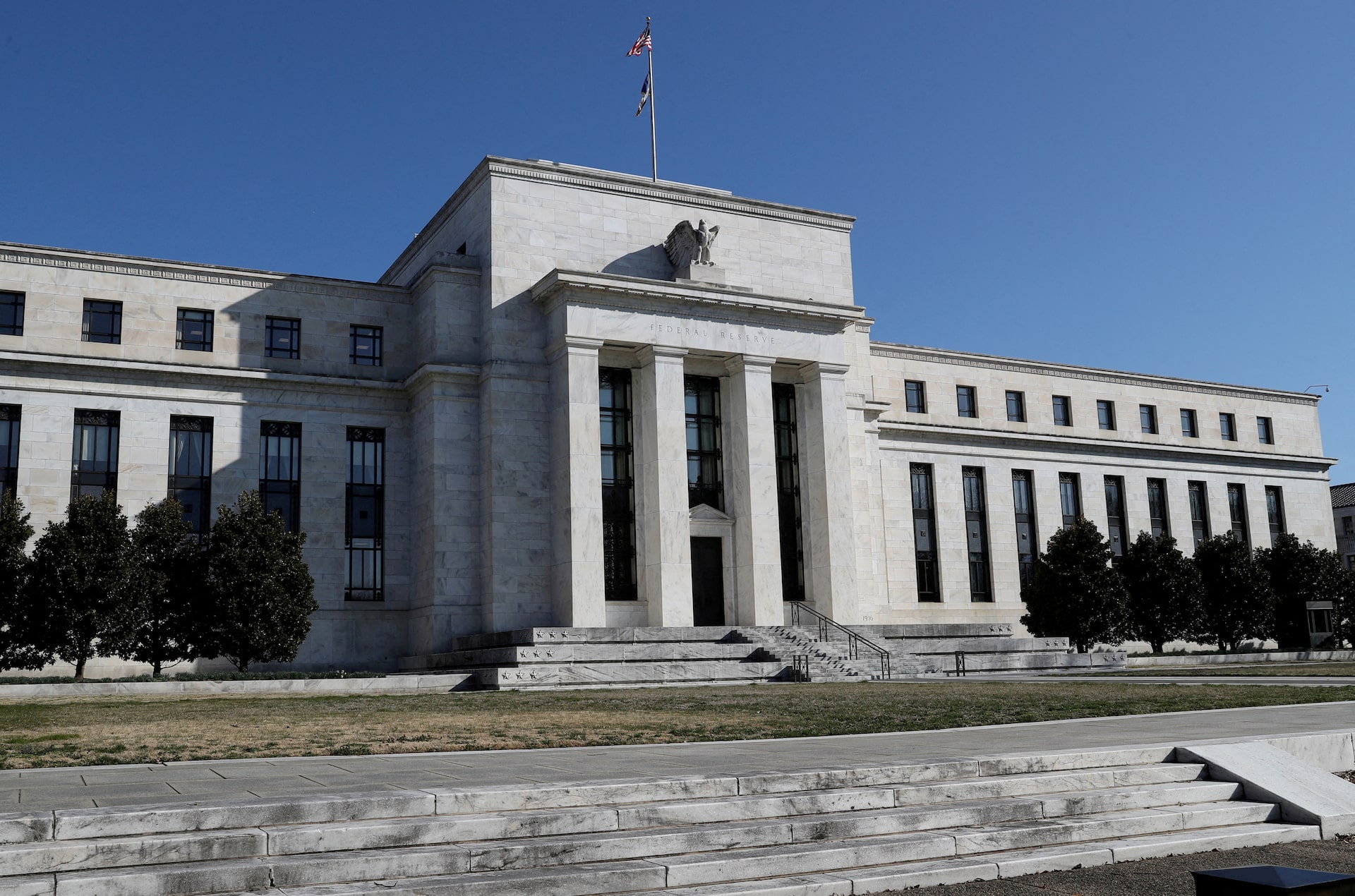
Fed rate hike odds rose after Lorie Logan warned sticky inflation could force the central bank to tighten again in 2026.
Dallas Fed President Lorie Logan said Wednesday that US interest rates may have to rise later this year if inflation stays too high, turning a 2026 Federal Reserve hike into a market risk traders can no longer dismiss. The remarks, reported by Reuters, put Chair Kevin Warsh on a tougher track: show that holding policy steady can still bring inflation back to target.
For rates traders, the warning changes the June policy debate. The policy rate is already at 3.5 per cent to 3.75 per cent, according to the Wall Street Journal. A Fed that expected room to wait now has to defend that patience against price data still running above its goal.
“I am increasingly concerned that higher interest rates could be necessary later this year”
Lorie Logan, Dallas Fed president
Logan tied the warning to the Fed’s 2 per cent inflation target. The market test is plain enough. Cooler inflation would let officials keep rates unchanged and wait. A run of sticky prints would move the committee’s harder argument toward tightening again, not toward the timing of relief.
Interest-rate futures now imply a 75 per cent probability of a quarter-point hike by the end of 2026, with a 25 per cent chance of no change, Reuters reported in a separate look at the economy Warsh has inherited. April personal consumption expenditures inflation ran at 3.8 per cent, up from 3.5 per cent in March, leaving the Fed’s preferred gauge well above target. That is not a backdrop in which rate-cut language travels easily.
The market is being asked to price a Fed that can pause without turning dovish. That is a different setup for Treasury yields, the dollar and risk assets than the familiar wait-for-cuts trade.
Why the warning lands now
Logan’s comments carry more weight because the inflation backdrop has worsened. Reuters’ review of recent Fed survey material said US economic activity and inflation had both picked up in recent weeks, a mix that gives policymakers fewer easy choices. Stronger activity can support corporate earnings. It can also make the final leg back to 2 per cent harder to deliver.
Warsh faces a communication problem at the start of the summer policy calendar. Officials need to show they are not chasing every monthly data point, while still convincing households and investors that price pressure is not being tolerated. Heather Long, chief economist at Navy Federal Credit Union, called it an early credibility test for the new chair.
“the latest warning sign that inflation is quickly turning into a sticky problem…New Fed Chair Kevin Warsh has to come out at the June meeting showing his firm commitment to containing inflation”
Heather Long, Navy Federal Credit Union chief economist
Markets usually punish that kind of uncertainty in stages. Short-dated rate expectations reset first. Longer Treasury yields then test whether investors believe inflation can settle without another policy move. Equities feel it through valuation, especially in sectors priced on cheap future capital.
Logan cannot set policy alone, and one speech does not settle the committee’s path. Her remarks matter because they give hawkish officials a number and a phrase to organize around: 3.8 per cent PCE inflation and higher rates later this year.
For investors, that is enough to keep the risk alive. Softer inflation prints would make Logan’s warning a boundary marker around policy patience. Firmer ones would make it the first clear signpost toward a Warsh-era Fed that may not cut at all in 2026 and could still tighten.
Helena Brandt
Macro reporter covering the Federal Reserve, ECB, inflation prints and jobs data. Reports from Washington.