PCE inflation 2026: hot print keeps Fed hike bets alive
PCE inflation 2026 is expected to reaccelerate, backing Kevin Warsh's hawkish Fed stance and keeping rate-hike bets in play.
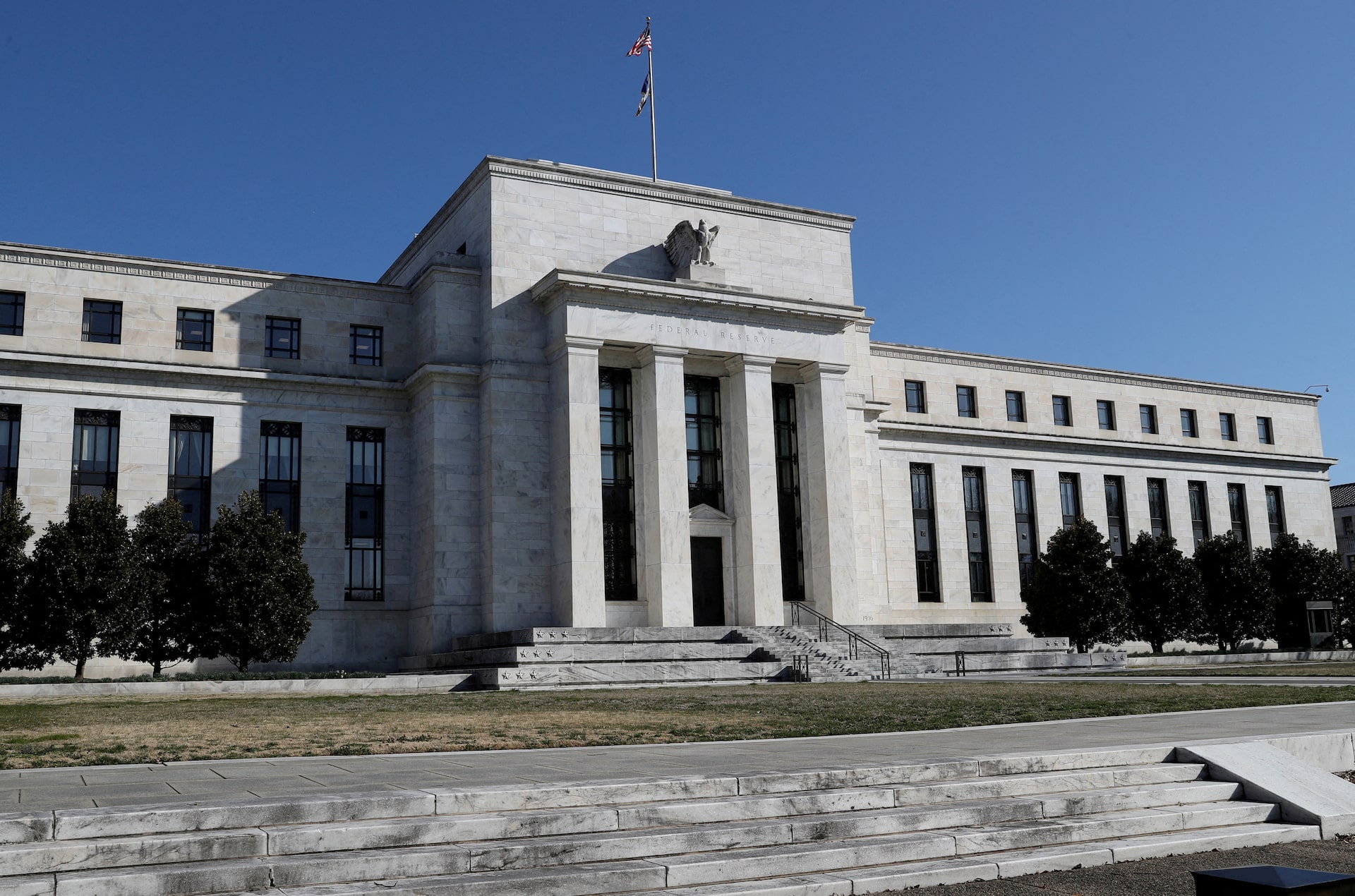
May’s personal consumption expenditures report is expected to show faster inflation, a reading that would give traders little reason to walk back bets that Chair Kevin Warsh will keep policy tight and may still lean toward a 2026 increase.
For markets, the stakes are higher than a normal data preview. Bloomberg’s preview of the coming personal consumption expenditures report points to a reacceleration in the measure the Fed watches most closely, just days after Warsh opened his tenure by holding the policy rate at 3.50 per cent to 3.75 per cent. The question is shifting from when cuts start to whether inflation is sticky enough to keep restrictive policy in place.
Anna Wong of Bloomberg Economics said a firm reading would match the hawkish message investors took from the June meeting.
“A hot PCE inflation reading will likely reinforce that hawkish message.”
Anna Wong, Bloomberg
Fed officials have already moved their forecasts in that direction. Reuters reported that nine of 19 policymakers now see a rate hike in 2026 while the median estimate for year-end PCE inflation rose to 3.6 per cent and the median forecast for core PCE, which strips out food and energy, climbed to 3.3 per cent. Those forecasts do not read like a central bank ready to declare victory on price stability.
Before June’s meeting, investors were still debating how quickly the Fed might ease once inflation cooled further. The live question now is whether firmer price data can keep the committee on hold well into the second half and leave a 2026 increase in play rather than as a distant tail risk.
Warsh’s early communication has added to that reading. When he left rates unchanged this week, he also signaled that the Fed was less willing to promise a clear easing path in advance, putting more weight on each incoming inflation release.
Forward guidance, Warsh said at his debut press conference, is not “well suited” to the current economic moment.
Kevin Warsh, via Reuters
That remark makes the next PCE report more than a routine macro release. A hot reading would support the case for patience, keep upward pressure on Treasury yields and leave rate-cut expectations with less room to rebuild. A softer surprise would matter too, though traders may need more than one benign month to unwind the hawkish turn signaled this week.
Why the next print matters
The coming data are the first real test of whether Warsh’s Fed is prepared to tolerate a slower path back to the 2 per cent target than markets had assumed earlier in the year. A higher PCE reading would support the Bloomberg Economics view that price pressure is reaccelerating and sit alongside a policy committee already leaning toward a firmer 2026 path.
Bond traders do not need a dramatic upside surprise for the report to matter. Confirmation that disinflation has stopped improving fast enough could be enough for a chair who is skeptical about pre-committing to cuts. In that setup, short-dated Treasury yields would likely remain the clearest expression of the repricing.
The release will be read through the headline number, the core measure and the rate band Warsh and his colleagues chose to preserve in June. The core reading matters because it can be compared directly with the Fed’s updated 3.3 per cent year-end projection. The policy band matters because a 3.50 per cent to 3.75 per cent setting already leaves borrowing costs restrictive.
Equity and credit markets face a related problem. The issue is less whether the Fed reacts immediately and more whether the report hardens the committee’s stance. A print that confirms sticky inflation would make it harder to price a quick return to easier policy and keep the debate centered on how long borrowing costs stay high.
Even a softer outcome may struggle to reset the story. With nine officials already penciling in a hike next year and the Fed lifting its inflation projections, one cooler print may not be enough to reverse the message the committee delivered this week. The next PCE report is the first hard macro check on the Warsh era’s hawkish opening posture.
Helena Brandt
Macro reporter covering the Federal Reserve, ECB, inflation prints and jobs data. Reports from Washington.