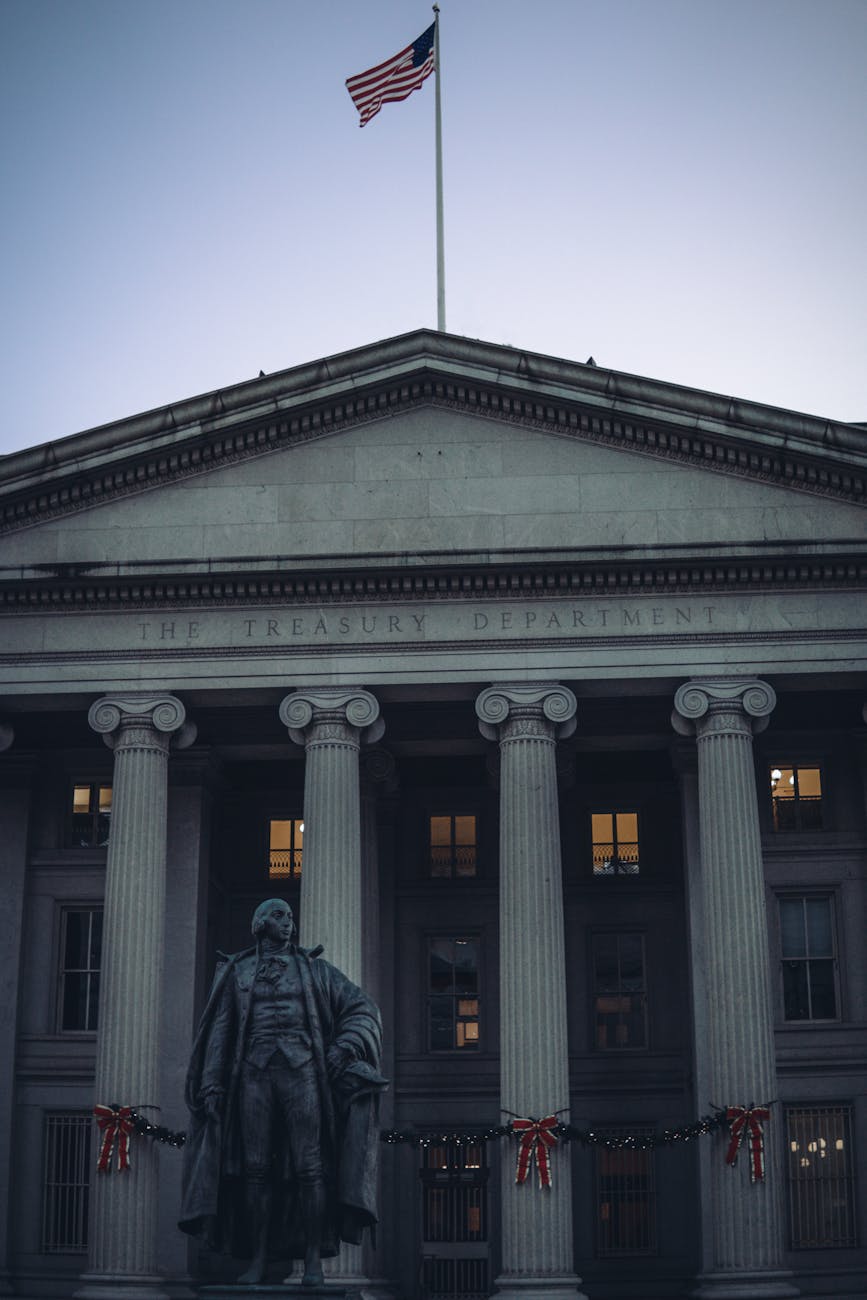
Warsh Confirmation Meets 3.8% CPI as Rate-Hike Bets Eclipse Cuts
The April consumer price index rose 3.8 per cent year-over-year, beating every Wall Street estimate as Kevin Warsh's Senate confirmation vote approaches. Markets now price a greater than 50 per cent chance of a rate increase by January 2027, upending the rate-cut mandate that defined his nomination.
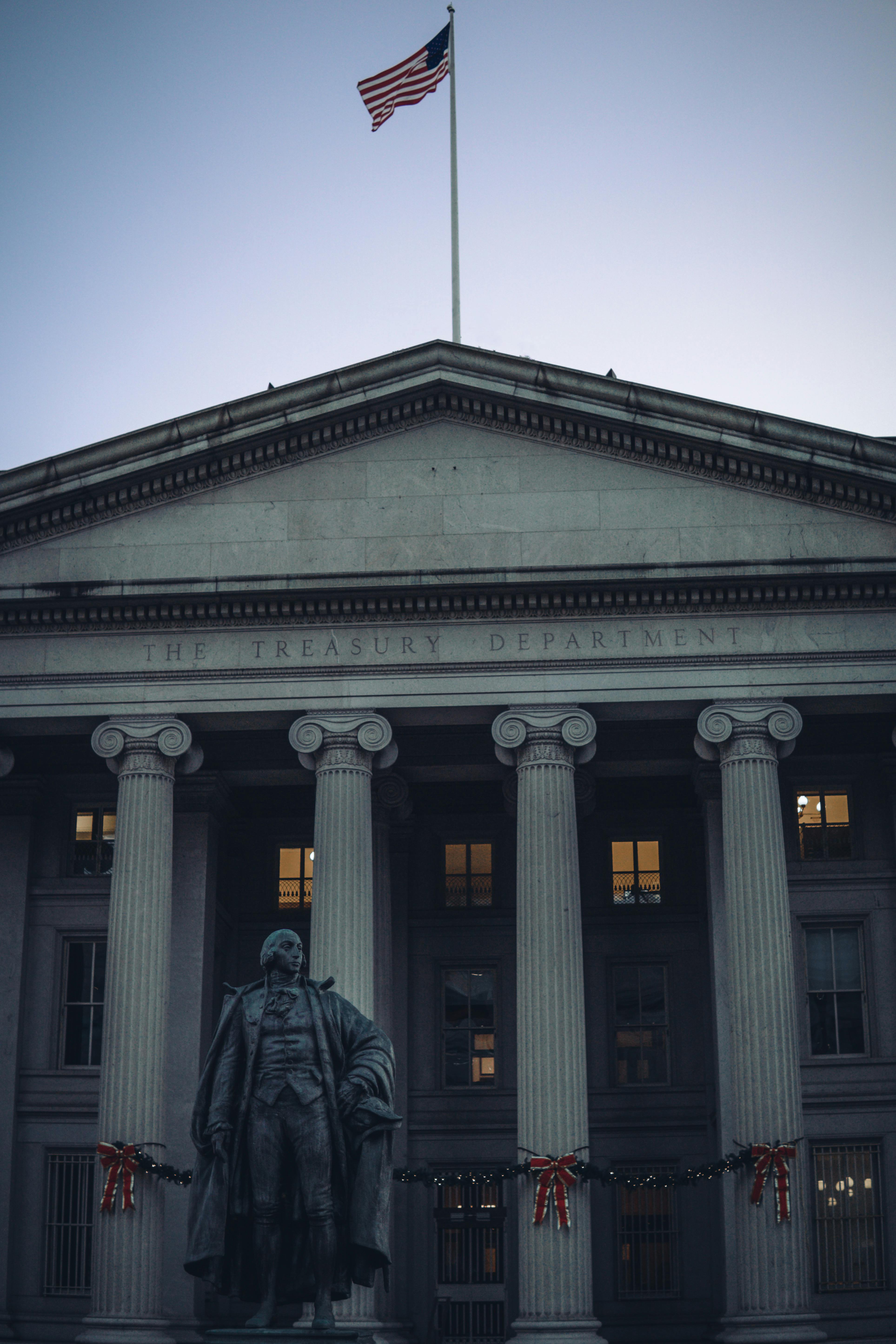
Kevin Warsh’s Senate confirmation vote as the next Federal Reserve chair lands on Tuesday against an inflation backdrop no incoming Fed chief has faced in four decades: the April consumer price index rose 3.8 per cent from a year earlier, beating every Wall Street estimate and pushing market-implied odds of a rate increase above even money for the first time in this cycle.
The print, released by the Bureau of Labor Statistics hours before senators were set to cast their ballots, landed above the 3.7 per cent consensus. It marked the hottest headline reading since May 2023. Core inflation — which strips out food and energy — came in at 2.8 per cent, also above expectations, while the Fed’s preferred gauge, core personal consumption expenditures, is now tracking at 3.3 per cent year-over-year, well north of the central bank’s 2 per cent target and moving in the wrong direction.
The trajectory is wrong.
The timing could not be worse. President Donald Trump selected the former Fed governor explicitly to deliver lower borrowing costs, having publicly criticised Jerome Powell’s rate path throughout the 2024 campaign. Tuesday’s data makes that assignment harder to execute than at any point since Warsh was nominated.
“I just don’t see how he’s going to get any kind of support for cutting interest rates in the current environment,” Mark Zandi, chief economist at Moody’s Analytics, told CNBC on Monday. “If inflation expectations continue to move higher, it’s going to be tough. Not only cutting rates will be off the table, but even holding rates where they are is going to be pretty tough.”
Chris Zaccarelli, chief investment officer at Northlight Asset Management, was similarly direct. “Given that inflation is heading in the wrong direction and the labor market is holding up, it’s very unlikely that the Fed will be able to lower interest rates any time soon.”
Stephen Juneau, an economist at Bank of America, said the bank remained comfortable with its view that “the Fed will be on hold until 2H 2027,” adding that markets were “even starting to price hikes,” according to Benzinga.
What the print showed
April’s inflation data was broad-based and unflattering. Core services inflation excluding shelter — a measure the Fed watches closely for signs of entrenched price pressure — jumped 0.5 per cent month-over-month, the sharpest monthly move in over a year. Airline fares surged 20.7 per cent from a year earlier, the steepest increase in years and a direct passthrough of elevated jet fuel costs tied to the Iran conflict energy shock. Lodging costs rose 2.4 per cent on the month. Shelter inflation, which makes up roughly a third of the CPI basket, remained sticky but showed tentative signs of deceleration. That offered the lone sliver of comfort in an otherwise hot report.
What markets are pricing
Futures markets repriced sharply following the release. The CME FedWatch tool showed a 51 per cent probability that the federal funds rate would reach the 3.75 to 4.00 per cent range — a quarter-point above current levels — by the January 27, 2027 meeting. Odds of a hike by April 2027 exceeded 80 per cent.
A year ago, the same contracts were pricing in four cuts for 2026. Two-year Treasury yields, the maturity most sensitive to near-term rate expectations, climbed 12 basis points in the hours after the CPI release. It was the largest single-day move in the front end of the curve since the March banking turmoil of 2023.
The Warsh bind
Warsh’s awkwardness is structural and inescapable. Before his nomination, he had argued publicly that the Powell Fed was too slow to ease and should have moved sooner, building a reputation as a monetary-policy dove within Republican economic circles. Trump, in announcing the nomination, described the pick as someone who understood that “rates need to come down and they need to come down fast.”
But the FOMC Warsh will lead spent 2022 and 2023 engineering the most aggressive tightening cycle in four decades. They did it to break inflation. They are not about to reverse course with headline CPI running at 3.8 per cent and core PCE above 3 per cent.
Even the path of least resistance — holding rates steady — now faces scrutiny. Zandi’s warning that “even holding rates where they are is going to be pretty tough” reflects a view gaining traction on trading desks: that the neutral rate may sit higher than previously estimated and that the current 3.50 to 3.75 per cent range is not meaningfully restrictive against an economy still adding roughly 200,000 jobs a month with inflation re-accelerating.
Warsh’s first FOMC meeting as chair is scheduled for June 17-18. By then he will have inherited not just the gavel but a set of economic conditions that look nothing like the ones that prompted his nomination. Whether he can deliver the cuts Trump demanded is no longer the question. It is whether he will be forced to raise them.
Helena Brandt
Macro reporter covering the Federal Reserve, ECB, inflation prints and jobs data. Reports from Washington.