RBI gold sales show how war pressure reaches reserves
RBI gold sales may show how India is trading bullion for liquid FX assets as war-driven oil shocks and capital outflows hit reserves.
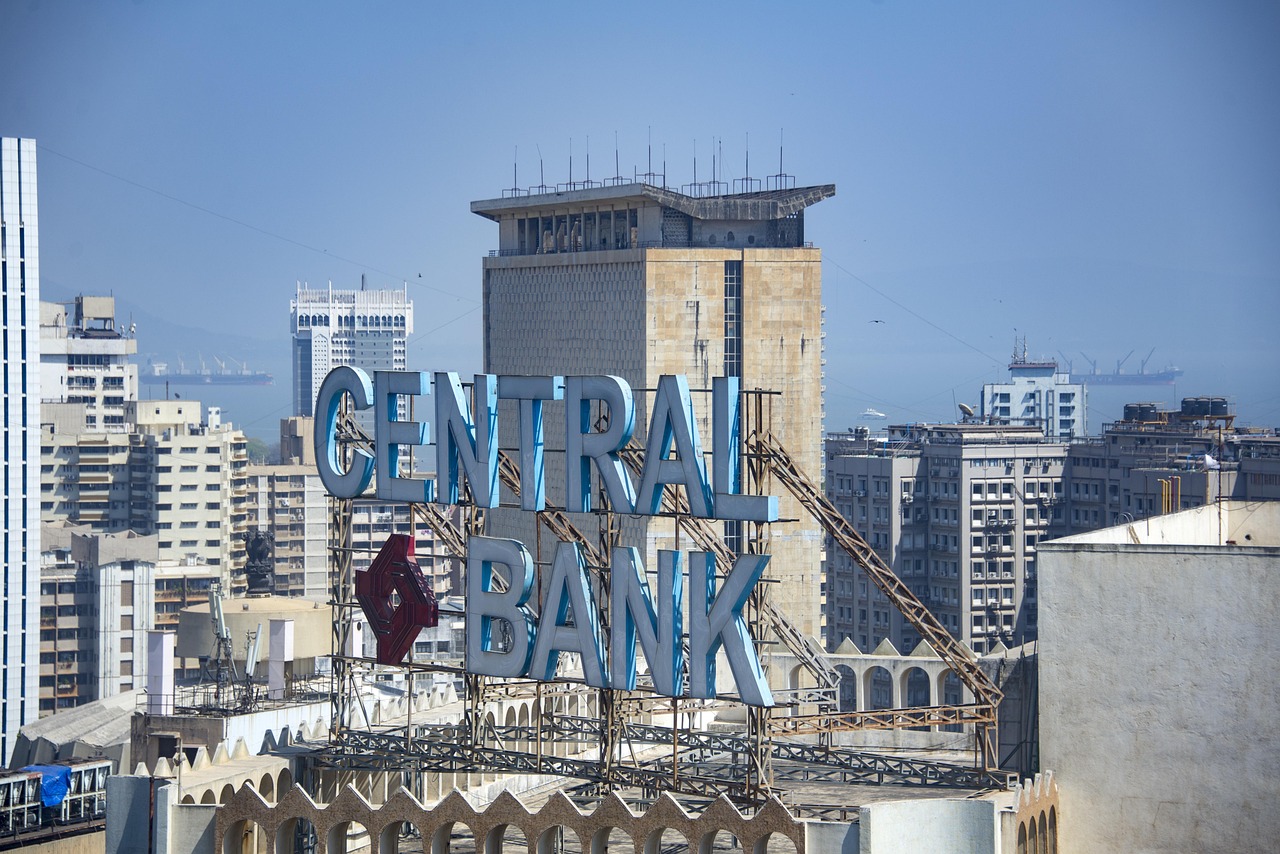
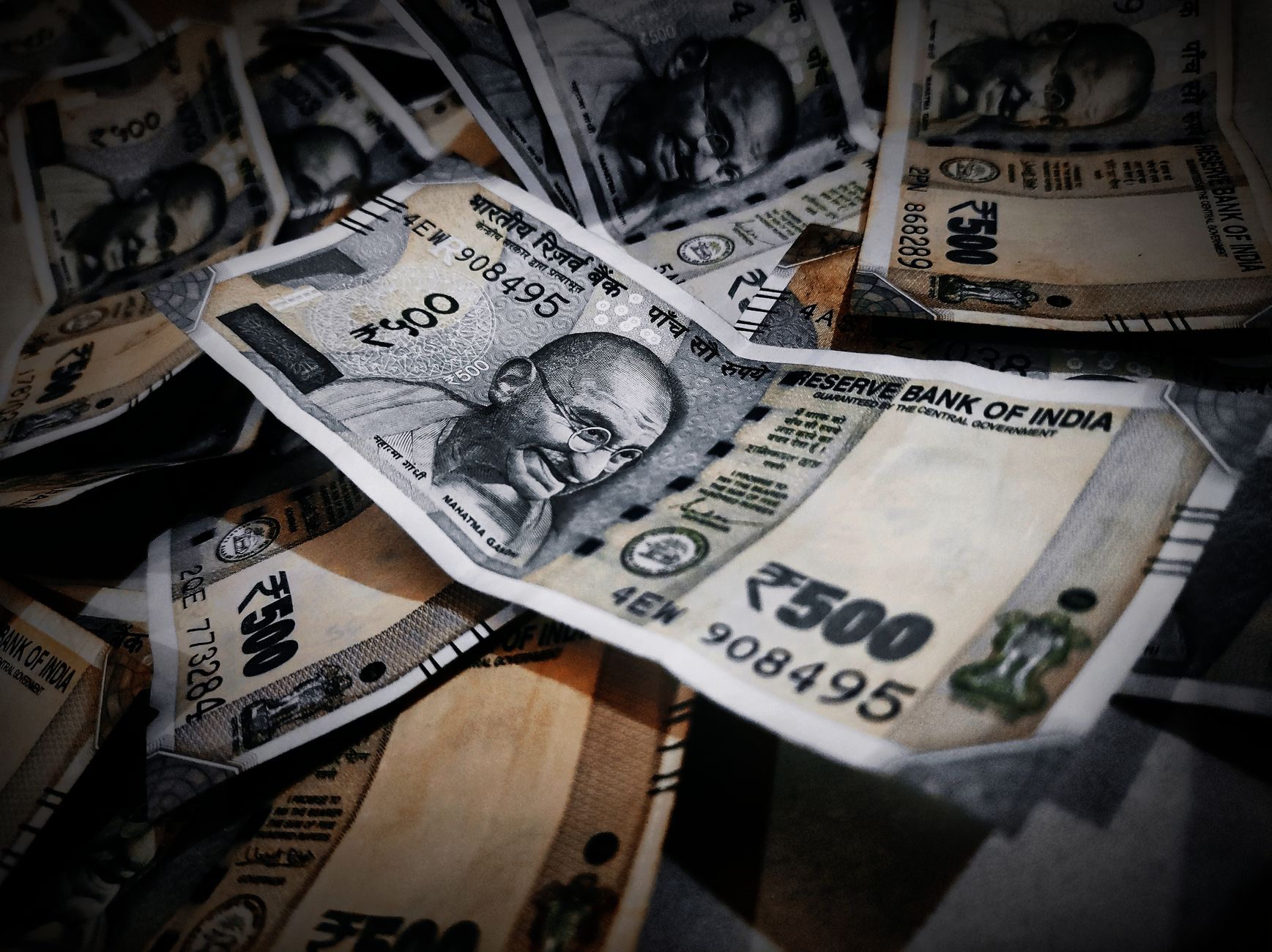
New Delhi’s central bank may have sold about $12 billion of gold in May to cushion its foreign-exchange reserves from war-driven capital stress, according to a Bloomberg Economics analysis of public data.
Bullion is only the surface issue. On Bloomberg’s reading, the Reserve Bank of India treated gold as a reserve pressure valve when the rupee, oil imports and portfolio flows all moved against it. For a regulator-policy desk, the message is direct: keep the stock of liquid foreign-currency assets credible without announcing a panic sale.
A more skeptical version arrives quickly. War explains the timing, not the full strain. India’s external accounts were already being squeezed by demand for dollars from oil, fertiliser, gold and foreign travel, while capital inflows weakened, according to BBC Business reporting on Prime Minister Narendra Modi’s appeal for households to curb some overseas consumption.
Bloomberg Economics senior India economist Abhishek Gupta estimated that the RBI may have offloaded roughly $12 billion of gold in the two weeks through May 22, while buying about $7.5 billion of foreign-currency assets. At end-March, the RBI held 880.52 metric tons of gold, 77 per cent of it domestically, Bloomberg said.
That mix matters because gold and dollar liquidity do different jobs. Bullion is a reserve asset, but it is not the same as instantly usable dollar liquidity when a central bank is leaning against currency volatility. A sale that swaps bullion exposure for foreign-currency assets would say less about the RBI’s long-run view of gold than about the hierarchy of needs in a stress event. Cash comes first. Signalling comes second. Prestige assets can wait.
“Periods of dollar weakness, renewed foreign-capital inflows, or lower oil prices would create opportunities to add to foreign-currency assets.”
Abhishek Gupta, Bloomberg Economics
Gold becomes the valve
From the analyst side, the RBI may have used one strong corner of the balance sheet to protect the part that markets watch most closely. For importers, bond investors and currency desks, foreign-exchange reserves are a confidence measure as much as a stockpile: how long can a central bank smooth disorderly moves?

Since the Iran war began, India’s reserves have fallen by $38 billion, according to the BBC. That is not a solvency number. No one is calling India Argentina. It is, however, large enough to make reserve optics part of policy transmission, especially when the rupee has already tested record lows. Reuters reported in mid-May that the currency had slipped near 96 per dollar as energy risks deepened.
Reserve quantity and reserve quality are different things. A country can report a large headline reserve position and still face pressure if a rising share sits in assets that are less convenient to deploy, or if investors suspect the liquid sleeve is being run down too quickly. Selling gold, if that is what happened, would be a way to keep that liquid sleeve looking intact.
Domestic politics sits inside the same balance-of-payments problem. Gold demand is not marginal in India. Household and jewellery buying pulls in imports when the currency is already absorbing higher dollar oil costs. Modi’s request that Indians buy less gold and take fewer foreign holidays was not a lifestyle scold. It was a current-account message aimed at the same dollar drain the RBI is trying to manage.
“We must prepare for the worst.”
Uday Kotak, quoted by BBC Business
The war shock found an imbalance
Reserve stories can sound like vault arithmetic; the adjustment is usually more ordinary. It shows up in fuel prices, travel budgets, gold purchases and import margins. Oil and gas are dollar bills. Foreign holidays are dollar bills. Gold imports are dollar bills. When all three collide with weaker portfolio flows, the central bank’s reserve choices become a household story by another route.
For India, the story should not be reduced to a bullion headline. The war in Iran is the catalyst, but the vulnerability is the pre-existing need for dollars. Rajeswari Sengupta, an economist at the Indira Gandhi Institute of Development Research, told the BBC that the shock risked becoming something more durable.
“What was initially seen as a temporary shock could now turn into a prolonged crisis.”
Rajeswari Sengupta, BBC Business
Malhotra’s central bank has not confirmed a gold sale. That caveat matters because the conclusion rests on Bloomberg Economics’ reading of reserve data, not on an RBI statement. The institution also has several ways to manage the rupee, from spot intervention to swaps and liquidity operations. A gold sale would be one tool, not the whole toolkit.
Still, the optics are unusually revealing. Usually, central banks prefer to be seen adding gold, especially in a world where de-dollarisation trades and sanctions risk have made bullion fashionable. If a large emerging-market central bank is selling into strength instead, the market should ask which asset it needed more. Here, the answer appears to be liquid FX.
A broader reserve defence
Other reserve managers are facing the same unpleasant trade-off. CNBC reported that foreign governments cut US Treasury holdings as the Middle East war forced reserve managers to defend currencies against an energy shock. Semafor also reported on pressure across Asia, Africa and Latin America as the global economic outlook worsened over the Iran conflict.
These transactions do not all mean the same thing. Japan trimming Treasuries, Gulf reserve managers adjusting dollar debt and India potentially selling gold sit in different institutional boxes. They do rhyme, though. In each case, the reserve portfolio becomes less about long-run allocation theory and more about what can be mobilised when an oil shock hits the currency.
For gold bulls, this is the uncomfortable point. Central-bank buying has been one of bullion’s strongest structural stories. Yet reserve managers do not hold gold only to validate that story. They hold it as insurance. Insurance can be sold, swapped or mobilised when the claim arrives.
The next signal for India will be whether the RBI rebuilds gold or foreign-currency assets when conditions improve. Gupta’s Bloomberg Economics note pointed to dollar weakness, renewed foreign-capital inflows or lower oil prices as opportunities to add to foreign-currency assets again. A renewed build would make the May episode look like a temporary liquidity manoeuvre. No rebound would hint at a more durable rethink of reserve composition.
What markets should watch
Currency traders should watch three indicators before drawing a sweeping conclusion: the rupee’s behaviour around 96 per dollar, weekly changes in foreign-currency assets, and any reversal in gold holdings once oil prices settle. Some reserve drawdown is tolerable. The risk is a market belief that the liquid part of India’s buffer is thinning faster than officials admit.
Bond investors have a different channel to monitor. Reserve pressure can tighten domestic financial conditions even without a formal rate move, because intervention drains rupee liquidity unless offset elsewhere. If the RBI is forced to defend the currency while cushioning banks, the balance between FX management and domestic liquidity becomes harder.
The cleanest reading is neither bullish nor bearish for gold in isolation. It is a warning about stress sequencing. When war lifts oil, weakens the currency and slows capital inflows at the same time, the reserve manager sells what can be sold without immediately escalating the signal. In May, Bloomberg Economics thinks that asset may have been gold.
That would make the episode less a footnote in the bullion market than a window into emerging-market defence. The RBI may not be abandoning gold. It may be showing what gold is for when the reserve ledger stops being theoretical.
Helena Brandt
Macro reporter covering the Federal Reserve, ECB, inflation prints and jobs data. Reports from Washington.