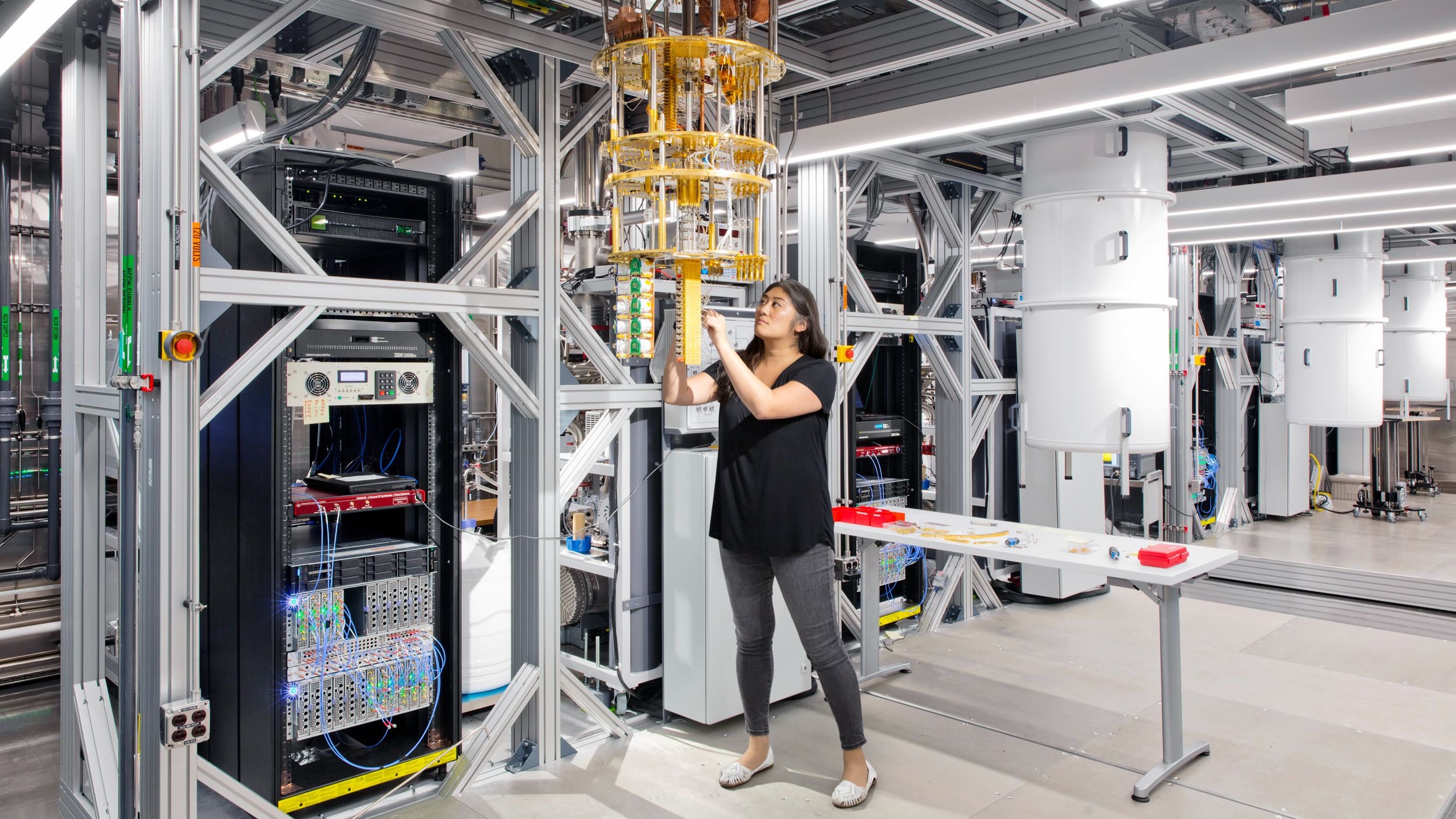
Quantinuum IPO raises $1.68bn in quantum market test
Quantinuum IPO raised $1.68bn at $60 a share, testing public demand for quantum hardware after AI lifted frontier-tech valuations.
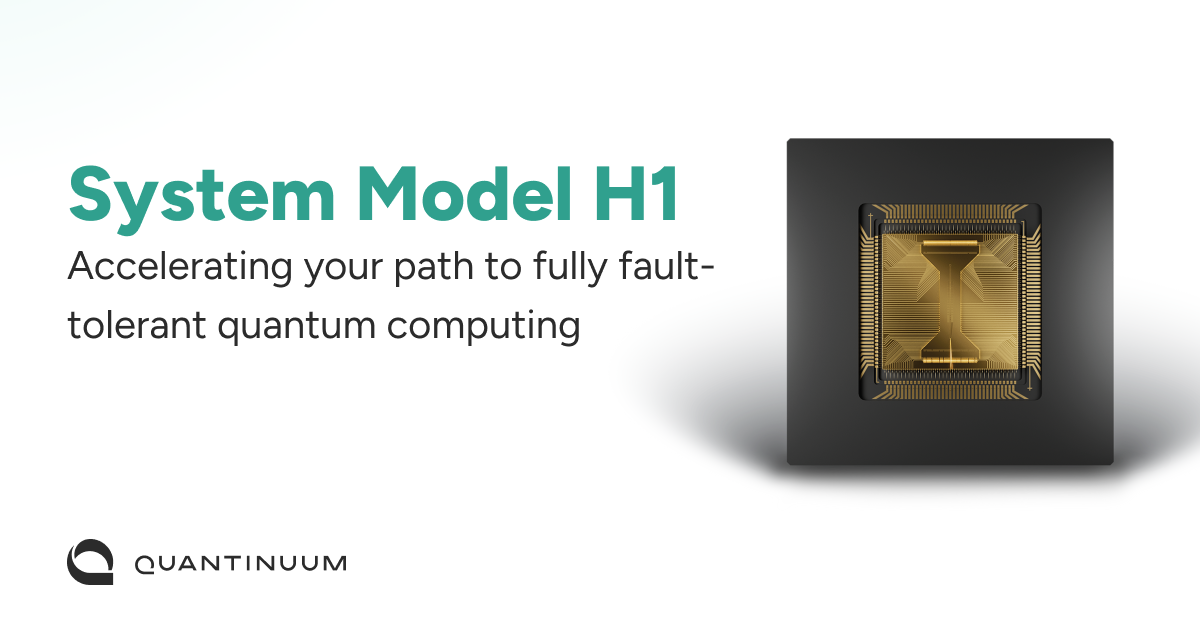
Quantinuum raised $1.68bn in a U.S. IPO priced at $60 a share, handing the Honeywell-backed quantum-computing company a $15.6bn valuation and a first public-market test of demand for frontier hardware after the AI listing boom.
The company sold 28mn shares, according to Reuters. Bloomberg reported that the offering priced above the marketed range, after the book had already been lifted earlier in the week to seek as much as $1.46bn. JPMorgan Chase & Co. and Morgan Stanley led the deal.
The listing is now a market test with a quantum label attached. Public investors are being asked to fund quantum-computing systems and software before the sector has the scale, margins or listed-company record that usually supports a mature technology valuation.
Honeywell International Inc. will retain about 48.1 per cent of voting power after the offering, Reuters reported. That leaves the IPO closer to a partial crystallisation of value for Honeywell than a clean separation from the industrial group that helped build the company.
For underwriters, the upsizing is the point. A deal that moves from a larger target to an above-range price gives the IPO market a cleaner demand signal than a small, defensively priced float. It also gives investors a live reference price for a company whose technology may take years to translate into conventional earnings.
Wedbush analysts framed the deal as a pricing event for a sector with a thin public cohort, according to Reuters.
“More quantum names reaching the public markets deepens the universe, improves price discovery,” the analysts said.
How much price discovery can the market bear? MarketWatch described the IPO as a bid to give quantum computing more public-market credibility, a useful phrase for a listed universe that is still small and volatile. An early surge would give bankers a benchmark. A weak debut would make the $15.6bn valuation the level other issuers have to explain away.
Quantum has a different financing profile from the software listings that dominated earlier AI trades. Development costs are high, adoption timelines remain uncertain and many customers are still testing use cases rather than buying at scale. First trading matters because it will show whether investors are buying a long option on computing power, or simply marking another scarce technology asset higher because supply is limited.
Policy support is in the background. Sherwood noted last week that IBM rallied after committing $10bn over five years to quantum computing, while The Atlantic examined a Commerce Department package that took stakes in quantum-computing companies in exchange for $2bn of support. Public money can validate the theme. It can also tie valuations to policy continuity and procurement cycles.
What trades next
Early trading will matter because the deal has set a live mark for capital-intensive computing outside the pure AI software trade. The Wedbush analysts told Reuters they expected Quantinuum’s valuation and early share-price action to set the tone in the first day or two of trading.
For IPO investors, the bull case is that quantum follows the AI infrastructure playbook: expensive systems first, commercial adoption later, with public capital willing to bridge the gap. The other side is simpler. Quantum remains technically promising but commercially early, and the market may not give hardware-heavy issuers the same valuation patience it gave software and semiconductor winners.
Quantinuum’s listing carries more than one company’s funding needs. If the shares hold above the $60 issue price, bankers get a proof point for deep-tech issuance and Honeywell gets a public valuation for a strategic asset it still partly controls. Break below the offer, and the message will be that even a hot frontier-computing label has to clear a harder earnings and adoption test in 2026.
Naomi Voss
Banks and deals reporter covering bank earnings, fintech, M&A and IPOs. Reports from New York.