Fed Minutes: Rate Hikes Ahead If Inflation Persists
A majority of Fed officials are open to rate hikes if inflation persists, FOMC minutes show, handing Kevin Warsh a hawkish committee days before his swearing-in.
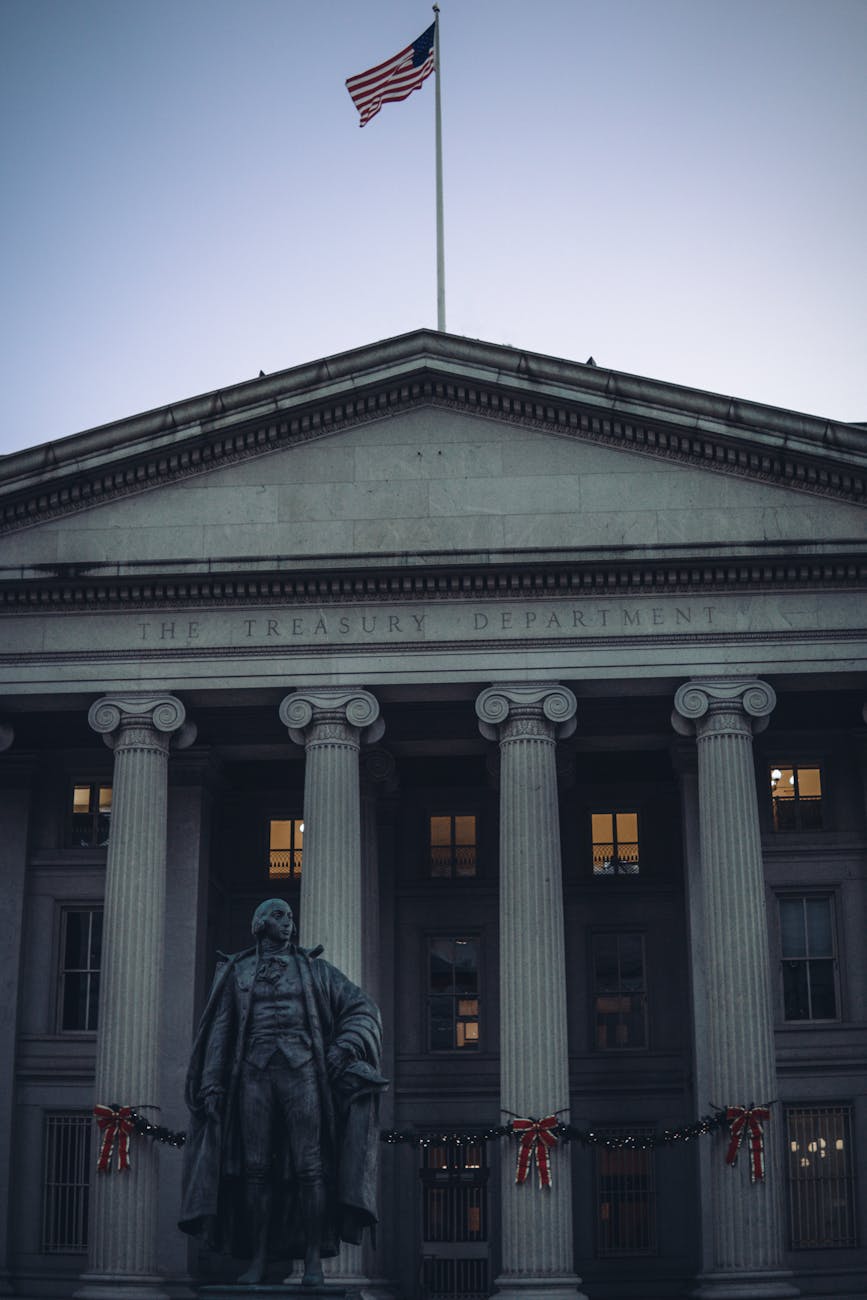
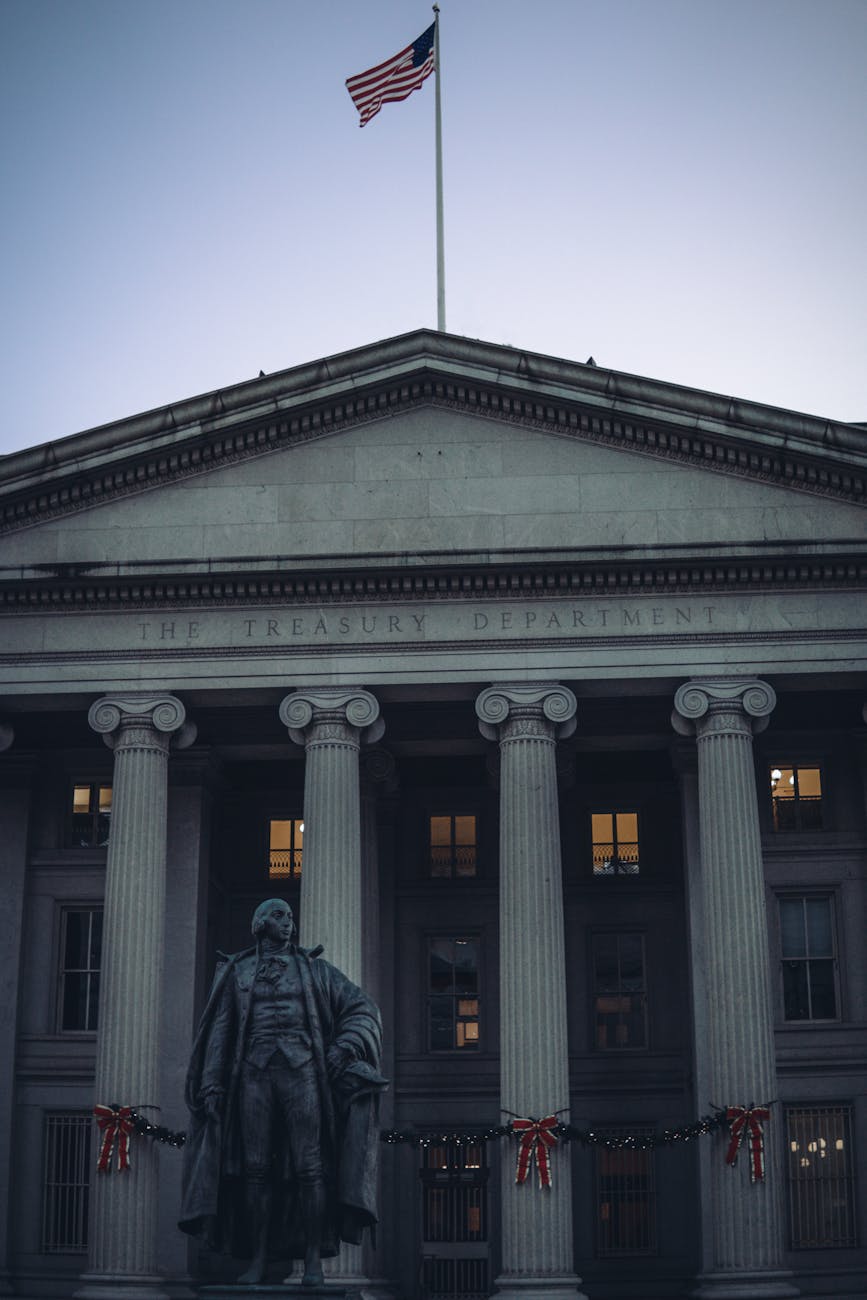
A majority of Federal Reserve officials now see interest-rate increases as the more likely next policy move if inflation remains stuck above the central bank’s 2 per cent target, according to minutes of the April 28–29 FOMC meeting released Wednesday. The finding marks a decisive pivot in the committee’s centre of gravity — from “prolonged pause” to “prepared to hike” in a single inter-meeting period — and it lands squarely on Kevin Warsh’s desk two days before the incoming chair is sworn in at the White House.
“A majority of participants highlighted that some policy firming would likely become appropriate if inflation were to continue to run persistently above 2 percent.”
— FOMC minutes, April 2026
What the minutes describe is a committee whose internal divisions have been laid bare in a way the unanimous votes of recent months concealed. Four members voted against the decision to hold rates at 3.50–3.75 per cent — Cleveland Fed President Beth Hammack, Minneapolis President Neel Kashkari, Dallas President Lorie Logan, and outgoing governor Stephen Miran — the highest dissent count at a single FOMC meeting since 1992. Miran, who departs the Board on Thursday, dissented in favour of a quarter-point rate cut. The three regional presidents objected to the statement retaining language that suggested the committee’s next move could be down.
Behind the headline finding lies a proxy war over five words: “additional adjustments” — the easing-bias language that has anchored every post-meeting statement since the committee stopped hiking in late 2024.
“Many participants indicated that they would have preferred removing the language from the post-meeting statement that suggested an easing bias.”
— FOMC minutes
Those members had the votes to change the wording, the minutes suggest, but deferred to institutional protocol during Powell’s final meeting as chair. Powell himself told reporters afterward that the language question was “a much closer question” and said a change “could come as soon as the next meeting” — a signal that the easing bias may not survive the June gathering. James Knightley, chief international economist at ING, characterised the episode as a warning shot across Warsh’s bow — a committee signalling, before the new chair has even unpacked his office, that it will not be steered toward cuts without a fight.
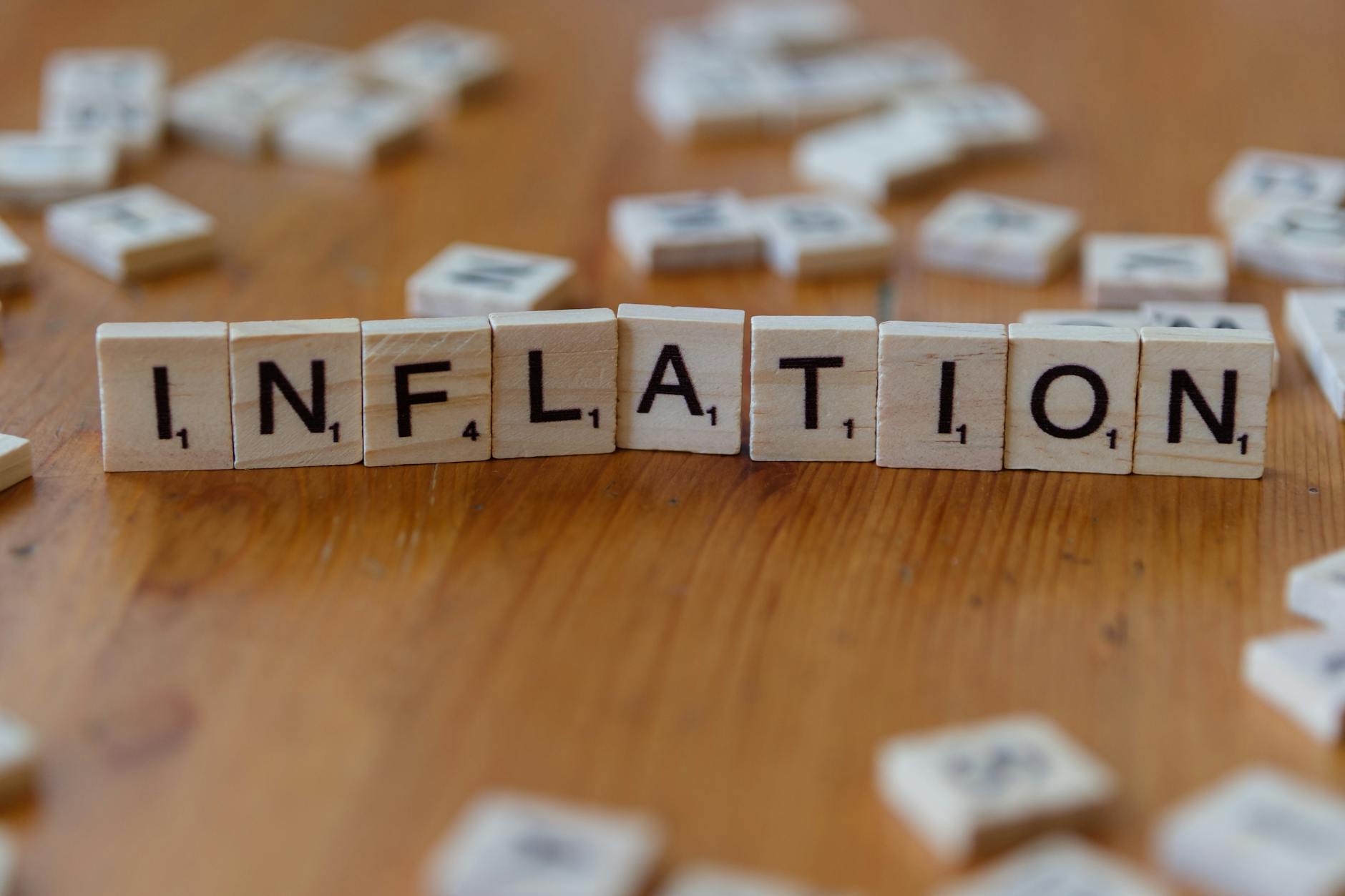
Whether the hawkish majority holds depends on an inflation picture that is deteriorating faster than the committee’s consensus forecasts anticipated. Crude oil prices have risen more than 50 per cent since the Iran conflict began, and price pressures are widening beyond energy into core measures that the Fed cannot easily dismiss as transitory. Goldman Sachs economists expect the April core PCE inflation reading — the Fed’s preferred gauge — to come in at 3.3 per cent when it is published next week, a full 1.3 percentage points above target. The 30-year Treasury yield topped 5.1 per cent last week, its highest in nearly a year.
“The vast majority of participants noted an increased risk that inflation would take longer to return to the committee’s 2% objective than they had previously expected.”
— FOMC minutes
Financial markets had already front-run the hawkish turn well before Wednesday’s minutes release. CME FedWatch data shows traders now assign a 60 per cent probability to at least one rate increase by the end of 2026, with 21 basis points of tightening already priced into fed funds futures contracts — a market that was still betting on multiple cuts as recently as February. “Though there will be a new Fed chair at the June meeting, building a consensus to move rates in either direction will be a difficult task anytime soon,” Ryan Sweet, chief global economist at Oxford Economics, told Reuters.
Complicating Warsh’s inheritance further is an institutional arrangement without modern precedent. Jerome Powell, who chaired his final meeting in April, is staying on the Board of Governors with nearly two years remaining on his 14-year governor term. No Fed chair in nearly 80 years has remained on the Board after stepping down from the top job. The decision — which Powell has framed as a defence of Fed independence — gives Warsh’s immediate predecessor a continued vote and a public platform on the same committee Warsh must now attempt to lead. Powell voted with the majority that endorsed rate hikes at the April meeting.

Kevin Warsh, who campaigned for the chairmanship on a thesis that AI-driven productivity gains would prove disinflationary and give the Fed room to cut rates, now confronts a committee whose own minutes show a majority unconvinced that inflation is declining toward 2 per cent on any timeframe. President Trump, who nominated Warsh with an explicit expectation of lower borrowing costs, gave a surprisingly blasé response to the prospect of rate hikes on Tuesday: “I’m going to let him do what he wants to do.” Whether that posture holds through the summer, as the June dot plot crystallises the committee’s hawkish drift and the July meeting approaches with inflation still elevated, is among the open questions the minutes leave unresolved.
Persistence, not panic, is the governing mood inside the Eccles Building. The April minutes document a committee that has absorbed the largest energy-supply shock in a generation, watched core inflation drift upward for four consecutive months, and concluded — with a documented majority — that the next move is more likely up than down. The easing-bias language that survived Powell’s final meeting by a thread will be among the first items on the agenda when the FOMC next convenes on 16–17 June. Warsh will preside. The committee that hands him the gavel has already shown its hand.
Helena Brandt
Macro reporter covering the Federal Reserve, ECB, inflation prints and jobs data. Reports from Washington.