Ryanair fuel warning sharpens stress test for Europe's weaker airlines
Ryanair's 80 per cent fuel hedge leaves it better insulated than many rivals, turning a jet-fuel spike into a margin and solvency test for weaker European carriers.
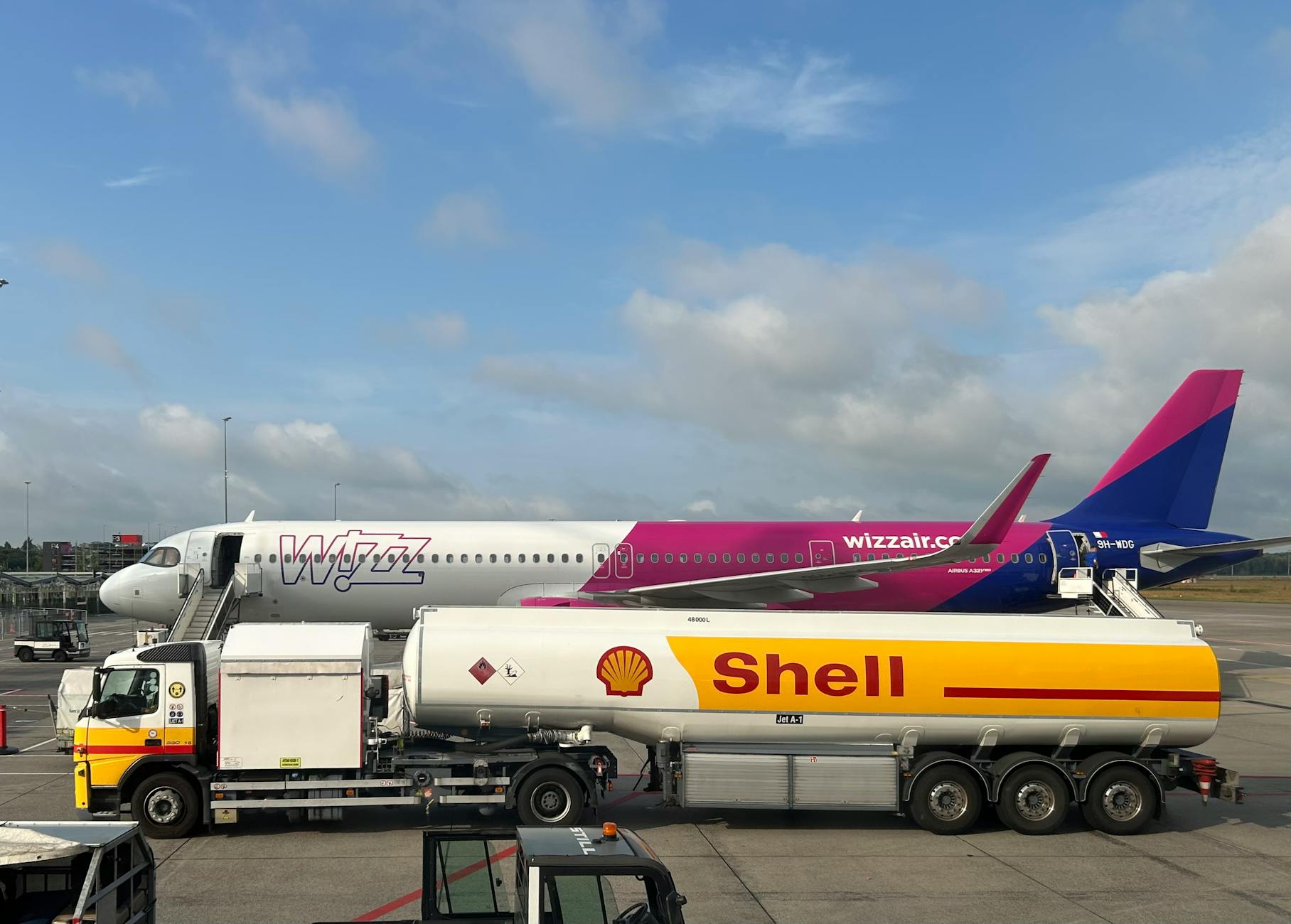
Ryanair said its own fuel book is built for a shock, but the sharper read for European transport stocks is what that shock does to everyone else. The Irish carrier has roughly 80 per cent of its FY27 jet-fuel exposure hedged at about $67 a barrel, a position that buys time if crude and refined product markets stay disorderly. For smaller or less well-protected rivals the read-across is harsher: if jet fuel stays near crisis levels through the summer, the sector stops being a simple fare story and becomes a test of balance-sheet endurance.
Michael O’Leary’s warning to CNBC matters beyond Ryanair’s own earnings update because it names the risk every airline investor is now pricing. O’Leary said the carrier had prepared for an “armageddon” fuel scenario and added: “I think there will be failures.” The line was blunt. The arithmetic behind it is not complicated. Airlines run on thin buffers even in normal markets. When the largest variable cost moves this fast, pricing power, liquidity and hedging discipline overtake passenger-growth narratives and summer-booking optimism as the things that decide who survives.
The fuel move itself is severe. O’Leary said Jet A-1 was about $80 a barrel in March and $150 by late April. CNBC, citing IATA data, put the average jet-fuel price at $179 for the week ended April 24. Repricing on that scale does not hit every operator at once — hedge books differ — but it hits the industry logic immediately. An airline that locked in fuel early can keep capacity in the market and wait for competitors to raise fares, cut schedules or absorb margin damage. An airline that stayed open to the spot market loses that option fast.
By the time the latest warning is parsed against industry numbers, it starts to look less like management theatre and more like a sector sorting mechanism. Alex Irving, Bernstein’s head of European transport equity research, told CNBC that airlines usually operate on single-digit margins and spend anywhere from 20 to 40 per cent of revenue on fuel. That range leaves very little room for strategic patience. A fuel shock can be passed on through fares only gradually, especially in a market where weaker carriers may feel compelled to keep seats cheap to preserve load factors and cash flow. The squeeze is familiar: higher unit costs now, uncertain pricing later.
Ryanair has not solved the oil problem. It has not. What its hedge buys is management optionality — the ability to decide whether to protect traffic, defend market share or wait for competitors to retrench. In a stressed market, optionality is worth more than a single quarter’s margin protection because it changes who sets price and who merely reacts to it.
Hedging is the filter
Why this episode may matter more for industry structure than for Ryanair’s own near-term numbers turns on that distinction. Europe has already seen signs that the fuel squeeze is feeding into operating decisions. Lufthansa has cut about 20,000 flights through October to save fuel, according to CNBC’s earlier reporting. Carriers across the region have been forced to think not only about price but about availability. When a major network airline is trimming schedules in peak season, it signals to the rest of the market that conserving fuel can outweigh defending every marginal seat.
The weakest carriers rarely fail in a single dramatic moment. They weaken in stages. First come fare increases and reduced promotional activity, then route cuts, aircraft grounding, delayed expansion and harder conversations with lenders or lessors. Only after those steps do the markets talk openly about consolidation, recapitalisation or insolvency. O’Leary’s warning is about the early stages of that chain. The companies most exposed are not necessarily the worst operators; they are the ones with the least hedging cover, the least pricing power and the least financial slack.
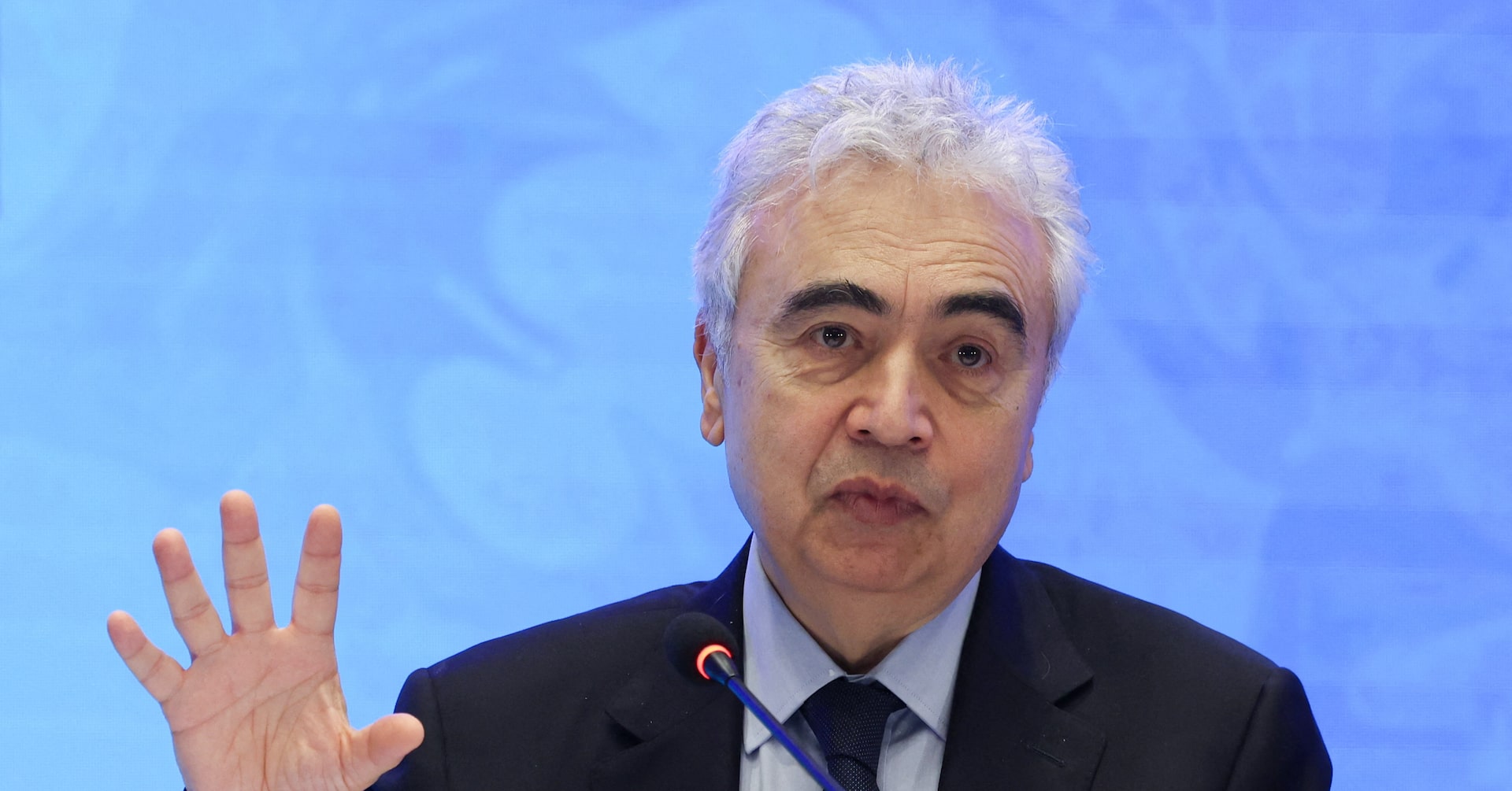
Adding to the stakes is the physical-supply picture. Fatih Birol, executive director of the International Energy Agency, told the AP that Europe had “maybe 6 weeks” of jet fuel left, a formulation that made clear how quickly an oil shock can become an airport-level logistics problem. The European Commission’s AccelerateEU measures are aimed at that transmission channel: stock management, distribution flexibility and emergency steps to keep fuel flowing through the summer system. For investors, the distinction is material. Price shocks hurt margins. Supply disruptions hit schedules, asset utilisation and consumer confidence all at once.
From oil shock to airline shakeout
Whether Ryanair can live with expensive fuel for a quarter or two is not the sharper market question. Its hedge suggests it probably can. The question is whether the fuel market is now forcing a separation between carriers that treated hedging as core balance-sheet policy and carriers that treated it as a tactical overlay. In benign markets, that difference looks technical. In stressed markets, it becomes strategic. One set of airlines can keep flying and wait for higher fares to catch up. The other has to pay up immediately and hope demand stays firm.
This story also fits a broader cross-asset pattern. Higher crude prices do not stay inside the energy complex. They reappear in transport margins, consumer fares, inflation expectations and, eventually, central-bank pricing. Airlines sit close to the front of that chain — fuel is a huge share of their cost base and capacity decisions are visible in real time. If the oil shock persists, European aviation could become one of the clearest places where commodity stress turns into corporate stress.
For now, Ryanair looks less like the main casualty than the loudest messenger. Its update suggests that fuel hedging is about to become a competitive screen, not a back-office detail. If that proves right, the next leg of the story will not be another warning from Dublin. It will be evidence that weaker carriers are shrinking, raising fares aggressively or running out of room to absorb a summer fuel bill that no longer looks temporary.
Sloane Carrington
Markets columnist. Analytical pieces and deep-dives on monetary policy, capital flows and corporate strategy. Reports from New York.