South Carolina anti-CBDC law bars state use, backs self-custody
South Carolina anti-CBDC law bars state agencies from digital-dollar tests and shields self-custody, mining and staking in statute.
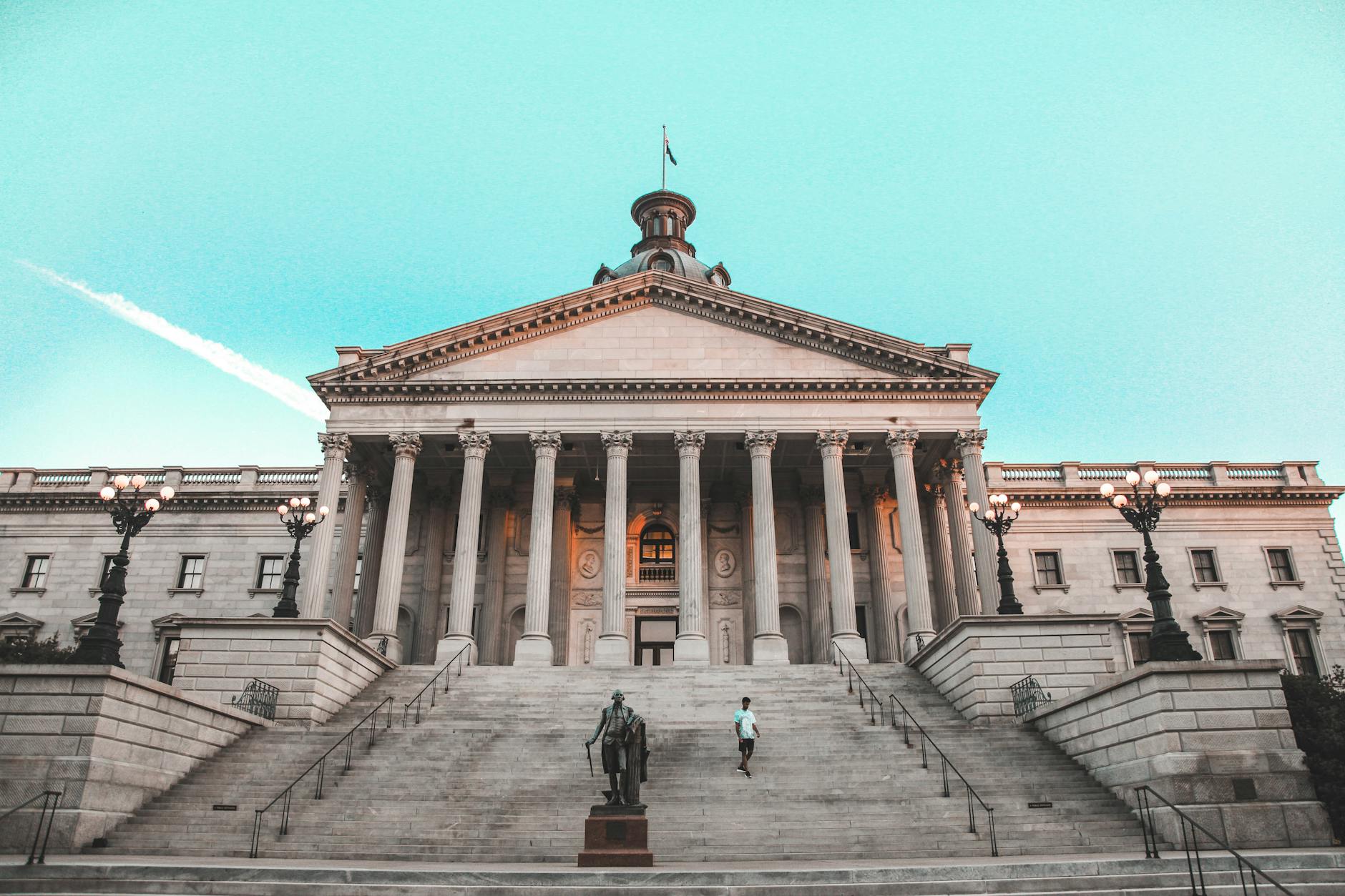
South Carolina enacted one of the most explicit state-level crypto laws in the US on Monday, after Governor Henry McMaster signed S. 163 — a measure that bars state agencies from using or testing central bank digital currencies while protecting residents’ right to hold digital assets in self-custody. The statute also shields crypto payments, mining and staking, pushing the bill past a narrow CBDC objection into a wider framework for how crypto activity can function inside the state.
Its policy significance lies in that second part. Washington still controls whether any US CBDC is designed or issued. South Carolina moved faster on a different question: whether state bodies can be enlisted to accept, require or help test one. Lawmakers tied payments policy to property rights and infrastructure rather than treating CBDCs as a standalone concern.
According to the South Carolina General Assembly’s bill page, the measure cleared the General Assembly on May 6 and was signed by McMaster on May 19. The Crypto Times, in a separate report on the bill’s passage, put the Senate vote at 38-1. A margin that lopsided gives the law weight beyond a symbolic resolution. It sits in the state’s statutory framework, with the operative restrictions aimed at governing authorities rather than private citizens.
In plain language, the bill text draws the CBDC line unmistakably. The measure says public authorities may neither route payments through a CBDC nor join pilot programs tied to one. That language covers both day-to-day payment use and the earlier test phases that typically precede any wider rollout.
“A governing authority shall not: (1) accept or require a payment using central bank digital currency; and (2) participate in any test of central bank digital currency.” — South Carolina bill text
What the law covers
Separately, the same bill text says residents may use a self-hosted or hardware wallet to maintain control of digital assets — one of the clearest self-custody protections in the measure. It also extends to mining and staking, a point highlighted in The Block’s account of the signing. For mining businesses, the statute defines the activity with a 1 megawatt threshold, giving the law an operational edge instead of a slogan-level statement.
“using a self-hosted wallet or hardware wallet, to maintain self-custody of digital assets” — South Carolina bill text
What the law cannot do is constrain federal action. South Carolina cannot stop the Federal Reserve or Congress from debating a digital dollar on their own authority. What it can do is deny state agencies as a distribution point, a test partner or an administrative adopter. That narrows how any future CBDC project could touch state-level payments inside South Carolina.
Crucially, the law does not try to ban private crypto ownership while making that point. By pairing CBDC resistance with express protection for custody, mining, staking and private payment use, lawmakers separated opposition to a state-linked digital dollar from hostility to digital assets themselves. A separate crypto.news report flagged that the entities fenced off are state agencies, not ordinary holders of crypto.
For other statehouses, that structure could serve as a template. A legislature does not need authority over federal monetary policy to shape how agencies handle payments, procurement or pilot programmes. South Carolina’s approach suggests states can write their own operating assumptions into law before Congress or federal banking agencies settle a national framework for CBDCs and broader crypto access.
The statute does not decide the federal CBDC debate. It does show how far a state is willing to go in drawing a boundary around payments infrastructure while treating core crypto activities as lawful to own, run and use. If the pattern spreads, the next phase of US crypto policy may be shaped as much in statehouses as in Washington agencies.
Tomás Iglesias
Financial regulation and legal affairs. SEC, CFTC, FCA, market-structure and enforcement. Reports from Washington.