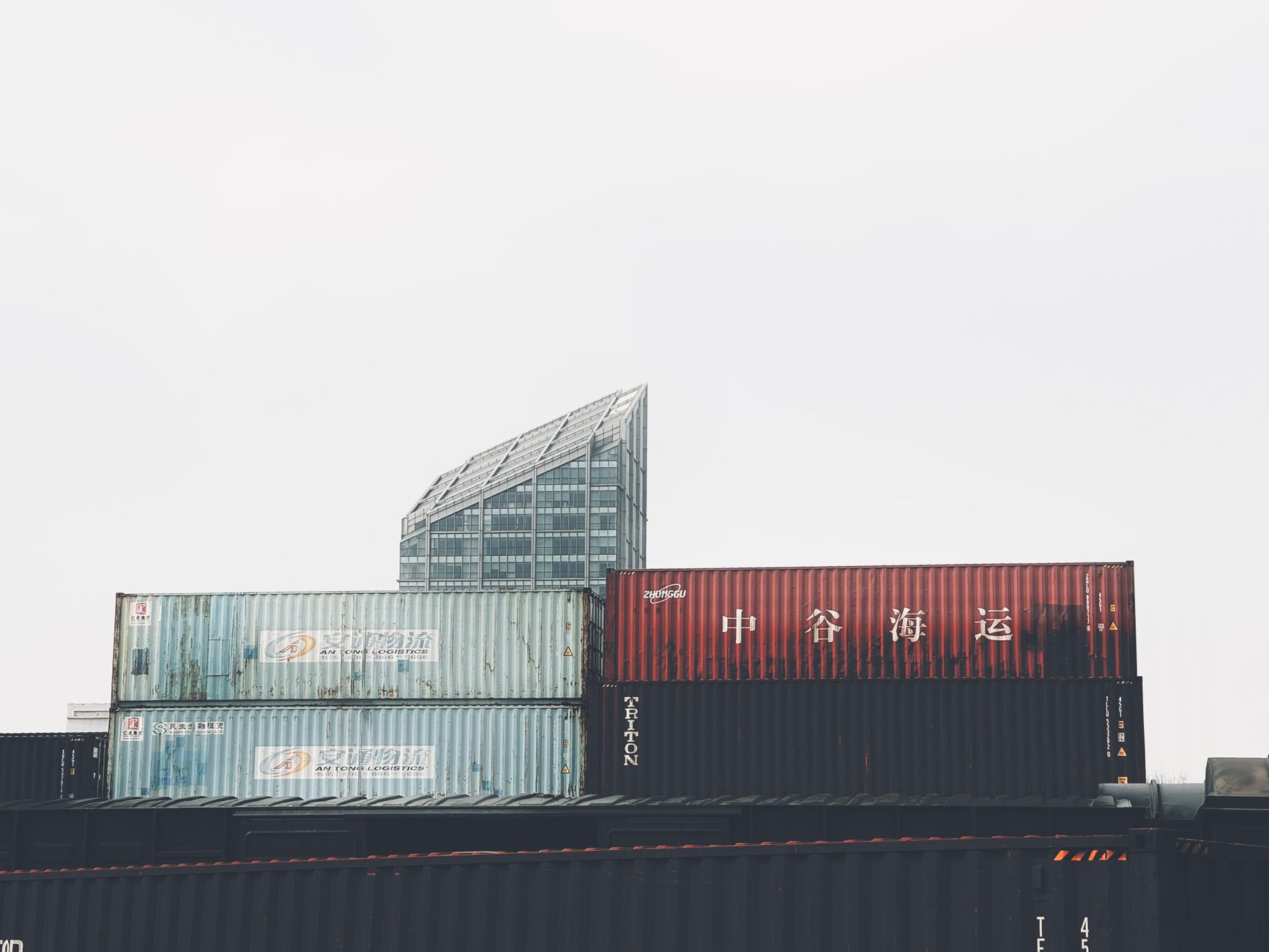
Shipping container cartel: US indicts 4 Chinese makers
Shipping container cartel charges from the Justice Department accuse four Chinese manufacturers of cutting output and driving up freight prices.
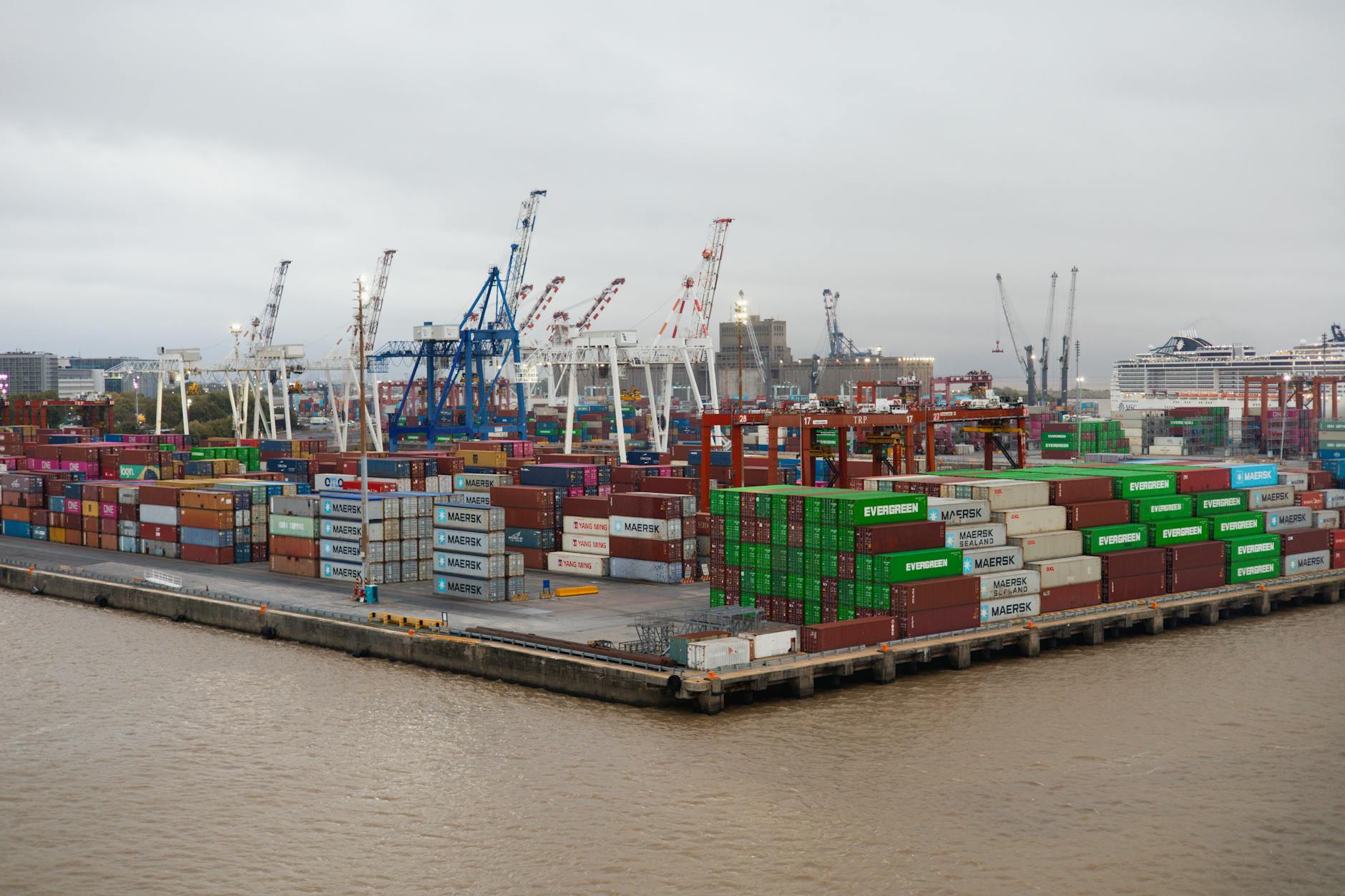
U.S. prosecutors indicted four of the world’s largest shipping-container manufacturers and seven executives on Wednesday, alleging they cut output during the pandemic and helped drive up costs across the global supply chain. The criminal case announced by the General Services Administration inspector general and the Justice Department names China International Marine Containers, Singamas Container Holdings, Shanghai Universal Logistics Equipment and CXIC Group Containers.
The case turns one of the post-Covid economy’s most visible bottlenecks into a named antitrust prosecution. In remarks announcing the indictment, Acting Assistant Attorney General Omeed A. Assefi said the companies controlled about 95 per cent of the world’s standard dry-container market and coordinated output cuts from November 2019 to at least January 2024. Prosecutors say those cuts helped double container prices for buyers across logistics networks.
Standard dry containers are a plain industrial product, but they underpin a vast share of global merchandise trade. The indictment alleges the conspiracy affected billions of dollars of commerce — a trade-enforcement prosecution wearing competition-law language, not a narrow manufacturing case.
Prosecutors say the conspiracy stretched from factory planning to sales coordination. The companies trimmed production even as demand for traded goods accelerated, the indictment alleges, then held pricing power as shipping lines, retailers and manufacturers scrambled for boxes. One defendant, Singamas marketing director Vick Nam Hing Ma, was arrested in France. The case names executives across all four groups.
Assefi said the government sees the market-share allegation as the core of the case.
“Put simply, they created an antitrust cartel controlling 95 percent of all container manufacturing in the world.”
— Omeed A. Assefi, U.S. Department of Justice
Prosecutors describe something more sustained than a pricing flare-up. They argue that a narrow industrial chokepoint sat behind a broader inflationary shock in freight. By tying the alleged conduct to output rather than only to prices, the Justice Department is trying to show that container scarcity may have been shaped by coordination in a market invisible to consumers until shelves go bare or delivery dates slip.
That framing also helps explain why the case extends beyond the shipping industry. If the government can prove that concentrated manufacturing power worsened a globally felt shortage, the indictment could become a template for how antitrust enforcers describe supply-chain harm in other strategic markets.
What the indictment says
According to the indictment summary released by the inspector general, the alleged conspiracy ran from November 2019 through at least January 2024. Prosecutors cited a striking profit swing at China International Marine Containers: the company’s container-manufacturing profit rose from about $19.8 million to about $1.75 billion during the period. That figure is evidence, not a finding of guilt, but it signals how prosecutors plan to argue that reduced output translated into exceptional pricing power.
The filing hands prosecutors a straightforward case to make. Demand surged, equipment stayed tight, and the companies at the center of the market allegedly benefited from keeping production constrained. Importers, manufacturers and retailers spent those years treating container scarcity as an unavoidable cost of doing business — and the indictment suggests some of that scarcity was manufactured.
The case carries a geopolitical edge. Tianchen Xu, a senior economist at the Economist Intelligence Unit, told CNBC that Beijing is likely to see the indictment through the lens of cross-border legal reach rather than narrow competition law.
“China is likely to view the indictment as another instance of ‘unlawful extraterritorial jurisdiction’ by foreign governments.”
— Tianchen Xu, quoted by CNBC
Xu’s warning opens a second front. The container business sits inside a wider debate over tariffs, manufacturing resilience and who controls the physical plumbing of global trade. A case that began with Covid-era shortages now risks feeding into a fresh argument over industrial dependence on Chinese suppliers.
Why it matters for freight
For importers and cargo buyers, the indictment recasts a painful stretch of costs from that period. What many businesses experienced as a shortage driven by congestion and demand may, in the government’s telling, also reflect coordinated cuts by companies that dominated a crucial market. If prosecutors can sustain that theory, the case would be a rare attempt to connect antitrust enforcement directly to supply-chain inflation.
The filing also sharpens the politics around trade resilience. Washington has spent years arguing that strategic inputs should not be left concentrated in fragile foreign supply. By turning container shortages into a criminal antitrust matter, the Justice Department gives that argument a concrete case study rather than an abstract warning.
For freight markets, the real question is how much of the era’s pricing shock came from chaos and how much came from concentrated industrial power. The answer will take years to settle in court. But the allegation itself recasts the supply-chain story in legal terms, and it ensures that one of the era’s most disruptive commercial episodes will now be litigated as collusion, not chaos.
Tomás Iglesias
Financial regulation and legal affairs. SEC, CFTC, FCA, market-structure and enforcement. Reports from Washington.