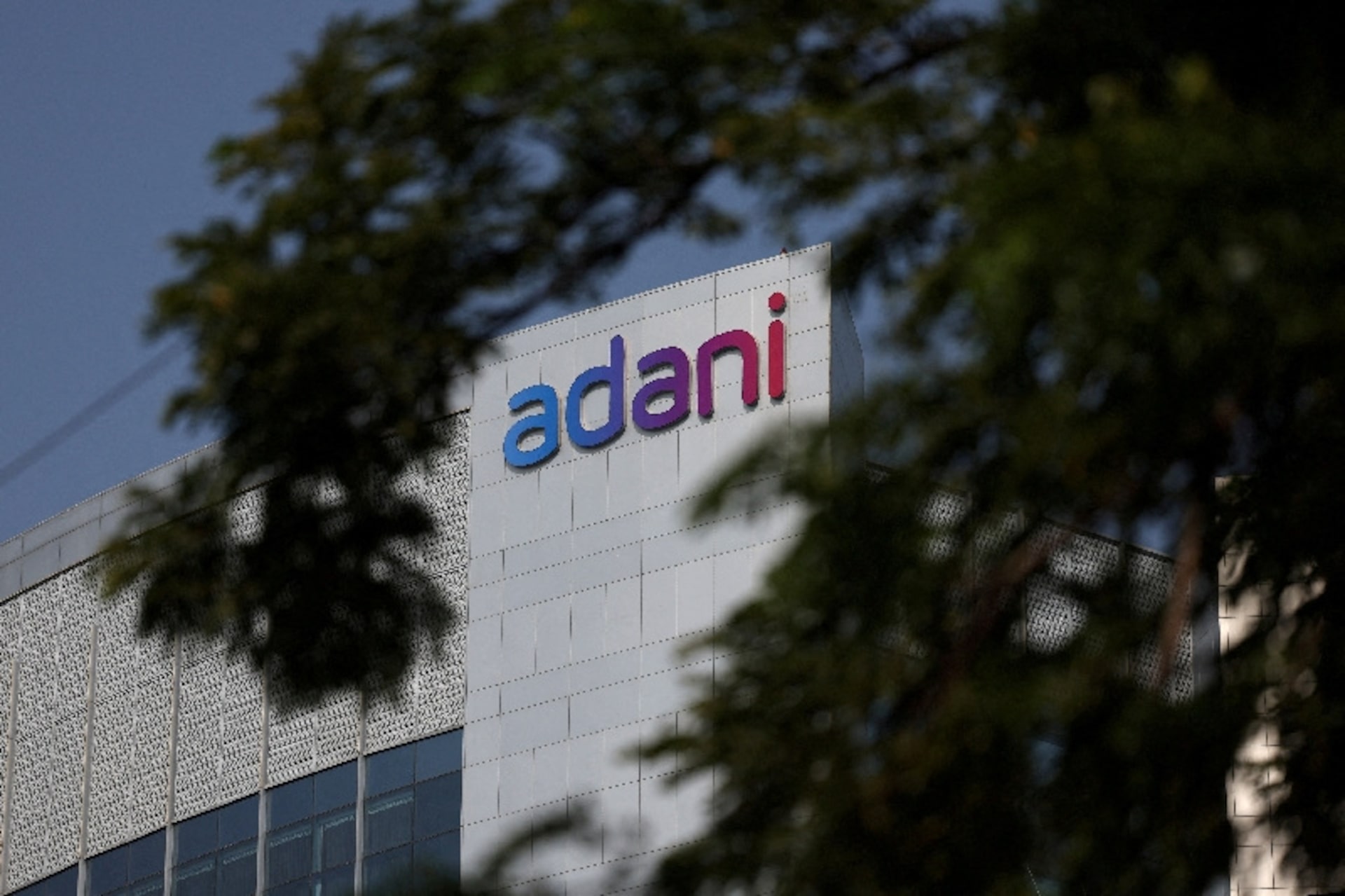
Adani SEC deal and DOJ retreat narrow legal overhang
An $18 million SEC settlement and a reported DOJ pullback cut one of the Adani group's biggest U.S. risk discounts, even before any court sign-off.

Gautam Adani’s U.S. legal overhang eased sharply on Friday. The SEC proposed final judgments settling its civil case against Adani and Adani Green executive director Sagar Adani for a combined $18 million. Reuters and The Washington Post both reported the Justice Department was preparing to drop parallel criminal fraud charges. Adani group shares rose between 0.5 per cent and 3.5 per cent on the day, Reuters said — a move that reflected relief as much as optimism.
The $18 million was not the point. For a conglomerate that has spent months trading under a governance discount, the larger shift was the apparent collapse of the criminal flank of the U.S. case. Civil settlements can be modeled. A live Justice Department prosecution is harder to price: it can rattle financing, spook counterparties, and cloud future capital-markets access.
Investors looked to be repricing a tail risk, not celebrating any change in the group’s operating outlook.
The SEC’s proposed judgments still need court approval and would resolve the agency’s claims without a trial. CNBC reported that the settlement would require Gautam Adani and Sagar Adani to pay the civil penalty. Investors stayed focused on the more consequential question: whether U.S. prosecutors would keep pressing the criminal case. Public companies and their lenders can usually digest a fixed civil payment faster than an open-ended criminal process. The gap between a check and a courtroom was what the market was parsing.
Reuters, citing people familiar with the matter, reported the Justice Department was set to drop the criminal fraud case after talks that coincided with the SEC resolution. The Washington Post separately reported DOJ was expected to abandon the charges.
Neither outlet said the government was conceding the underlying facts. The market implication was narrower than the headlines: a case that once carried years of courtroom risk now looked closer to an administrative cleanup. The SEC and DOJ usually exert pressure in tandem in cross-border securities cases. When the civil side settles for cash and the criminal side retreats, investors often infer the worst-case scenario has become less likely. That is especially relevant for groups that need overseas lenders, dollar investors, and international counterparties to keep doing business on ordinary terms.
Reuters said Adani group stocks rose on the reports, with gains spreading across listed group names rather than staying confined to one subsidiary.
Why the market cared
Markets also paid attention to the shape of the resolution. Reuters reported Adani had pledged $10 billion of U.S. investment — a figure that raises the practical cost of a drawn-out prosecution for all sides, even if it does not determine the legal outcome. A negotiated civil settlement alongside a reported criminal retreat suggests Washington may be more willing to separate disclosure and investor-protection claims from the more severe step of forcing a courtroom fight in a high-profile overseas case.
For investors, the takeaway is less about $18 million than about the discount rate attached to legal uncertainty. A fixed payment can be absorbed. An unresolved criminal process cannot be bounded as neatly, especially for a group that still relies on global lenders and equity investors to judge management risk alongside cash flow and asset value. The relief trade says more about legal duration than about the underlying earnings power of ports, power, or infrastructure assets inside the broader Adani empire.
The reports do not erase the governance questions that have shadowed the group. They do not guarantee that every U.S. agency is finished with the matter. They do, however, imply a narrower enforcement endgame than markets had been braced for. In practical terms, that reduces the risk of a marquee emerging-markets issuer remaining trapped in a cycle of legal headlines, expensive financing, and repeated questions from global investors about whether more severe penalties are still ahead.
Procedural steps remain. The SEC settlement is subject to court approval, and the Justice Department had not publicly filed any dismissal at the time of the reports. Court approval takes time, and formal DOJ paperwork will matter more than source-based reporting for risk models. Until both pieces are formalized, some risk premium is likely to stay. The direction of travel is clearer than the dollar figure: the U.S. case against Adani looks less like an escalating enforcement battle and more like a controlled resolution.
Tomás Iglesias
Financial regulation and legal affairs. SEC, CFTC, FCA, market-structure and enforcement. Reports from Washington.