Oil demand destruction is turning into a shipping trade
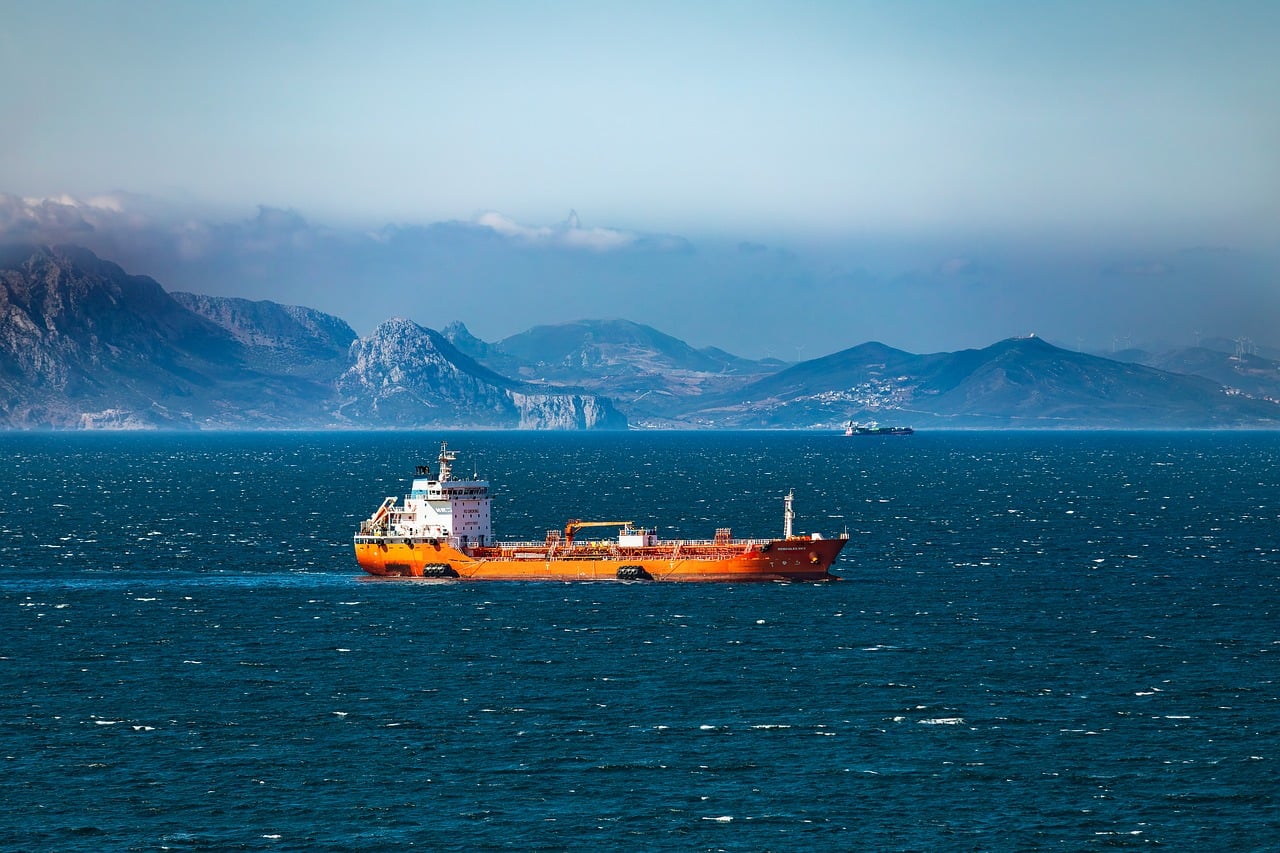
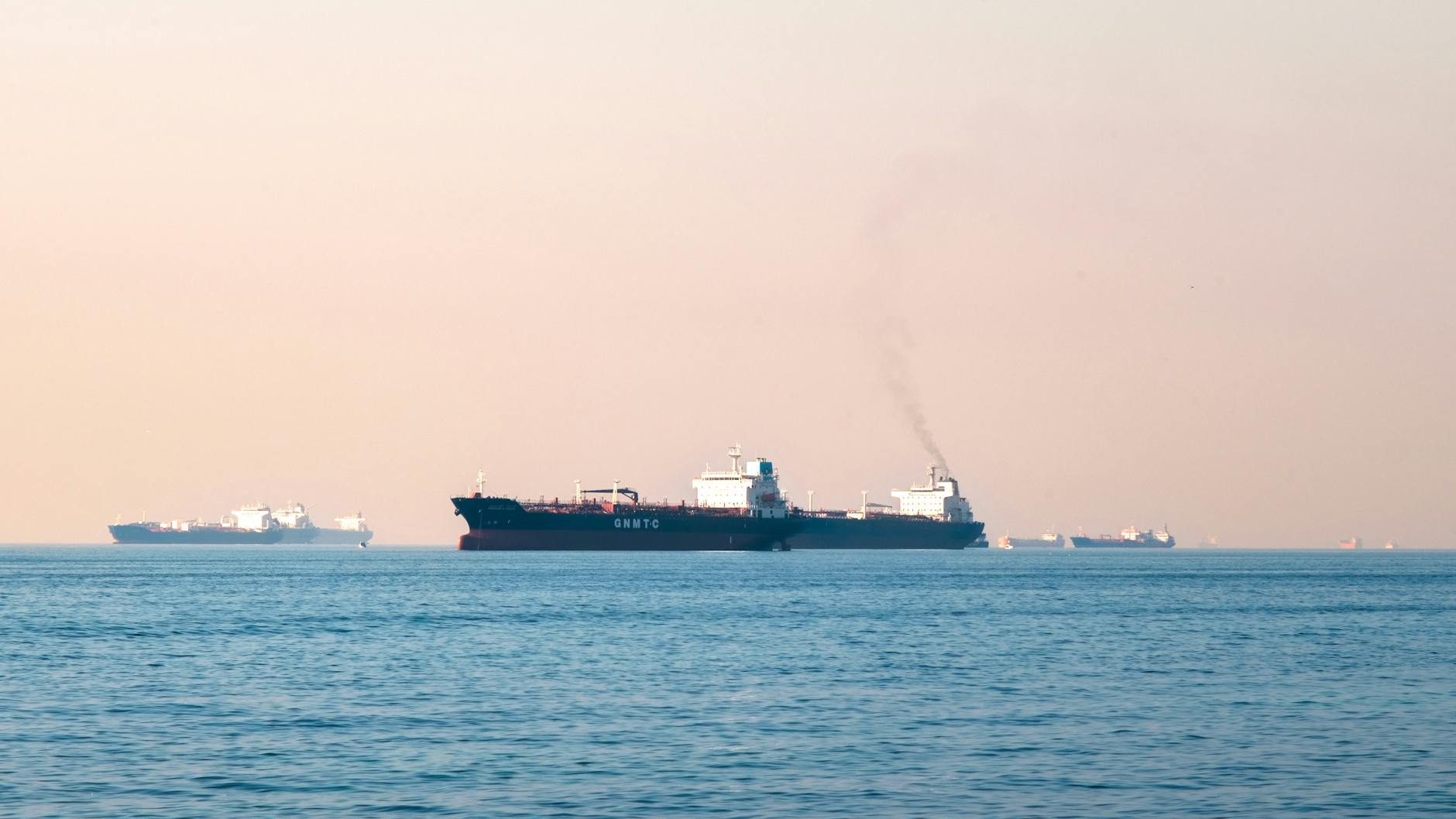
Oil demand destruction is capping crude upside, but longer rerouted voyages are still lifting tanker and dry bulk shipping earnings.
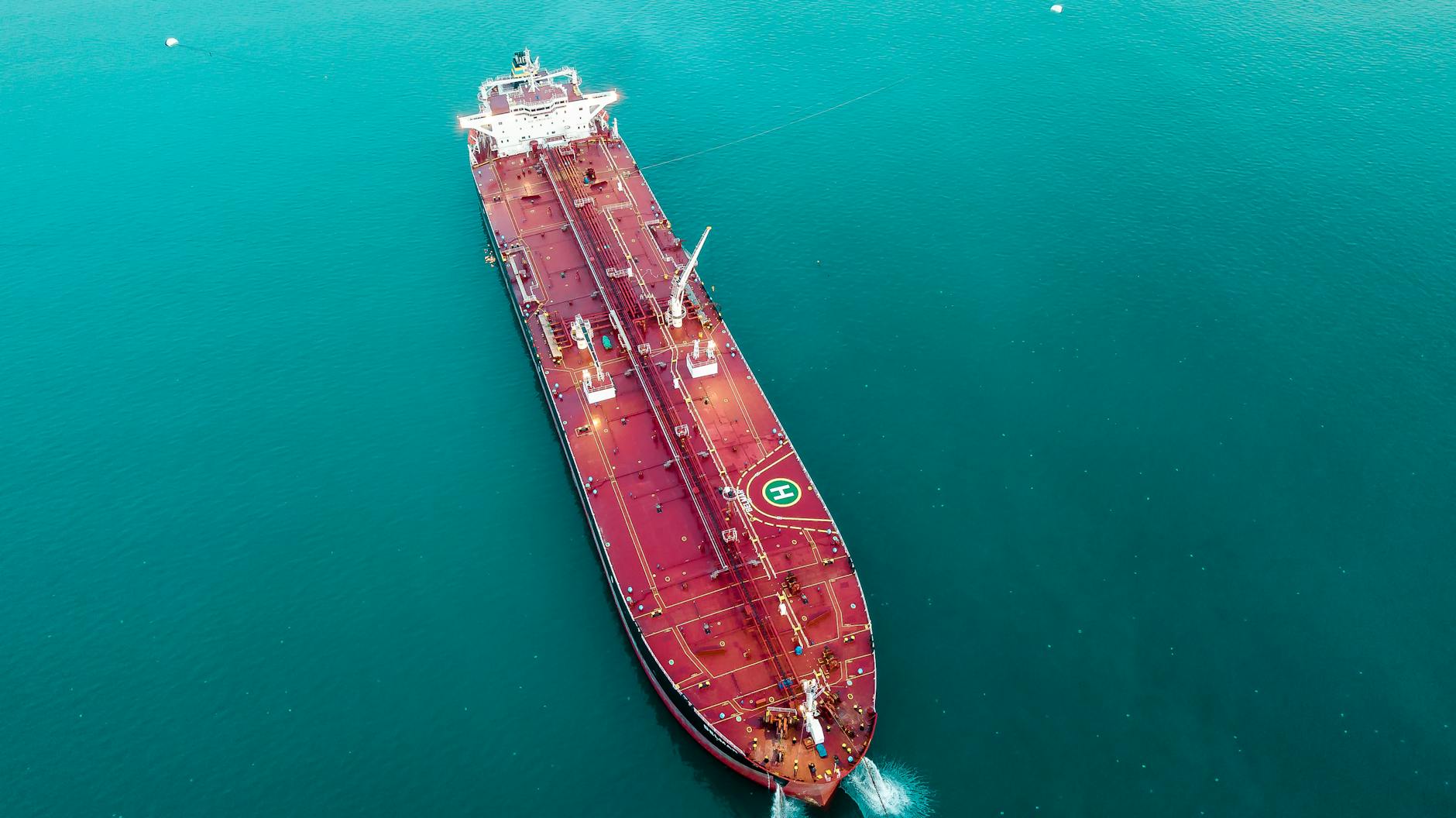
The IEA said on 13 May that global oil demand would shrink by 420 kb/d in 2026, a recessionary signal for crude bulls that is turning into a surprisingly constructive backdrop for tanker and dry-bulk shipping stocks.
Freight markets complicate that logic. They price distance and disruption as much as volumes. A Reuters report on the IEA outlook said the Iran war could cut 2026 global oil supply by 3.9 million bpd and helped drive a 246 million-barrel inventory draw across March and April. That supply shock has made oil expensive enough to start curbing use even as it keeps ships busier for longer.
Tanker owners read the same evidence through a different lens. The analyst question is whether demand destruction is broad enough to crush freight. The operator question is how much of the current strength still comes from longer tonne-miles, duplicated cargo searches and a smaller effective fleet. On that measure, the market still looks firmer than the oil tape suggests.
Jeff Pribor of International Seaways told Lloyd’s List that the industry’s scramble phase has persisted longer than expected:
“This period has lasted longer than I might have guessed.”
— Jeff Pribor, International Seaways
Pribor’s point matters because scramble mode is not just a mood. It describes refiners, traders and state buyers rebuilding sourcing maps almost cargo by cargo. Instead of a short Gulf run, barrels are travelling from the Atlantic Basin, West Africa and the Americas into Asia. Instead of a quick reset once a few tankers receive passage clearance, more ships stay tied up on longer loops. Tanker equities can therefore outperform even as crude itself loses some upside.
Policy developments reinforce that point. Bloomberg reported that Iran is discussing a permanent Hormuz toll system with Oman, while CNBC reported that the UAE’s second bypass pipeline is only about 50 per cent complete. Neither development looks like an immediate normalization mechanism. A toll raises transit cost. An unfinished bypass line cannot absorb the full shock. Even if naval escorts reopen more traffic, they do not erase insurance premiums, waiting time or charterers’ reluctance to rebuild normal schedules overnight.
From a policy standpoint, the key question is whether a workaround can normalize flows faster than a slowdown damages end-demand. The current evidence says no. A toll system formalizes friction rather than removing it, and an unfinished bypass pipeline redistributes barrels rather than restoring the old map. That leaves the market in an awkward middle period that is usually bad for crude consumers and still good for shipowners.
Why tanker math still works
Rerouting still matters more than pure end-demand loss. The IEA says the petrochemical and aviation sectors are taking the first hit from higher prices and weaker growth, yet the tanker market does not need uniformly strong demand everywhere. It needs enough cargoes to keep moving, and enough friction to make each cargo more expensive to deliver.

Reuters’ account of tanker traffic through Hormuz captured that distinction neatly. Tamas Varga of PVM Oil told Reuters:
“The growing number of vessels allowed through has a more tangible impact on sentiment than on the actual supply-demand balance.”
— Tamas Varga, PVM Oil
For equity investors, that is a useful dividing line. Sentiment can swing back the moment a few successful crossings hit the tape. Effective fleet supply does not rebound as quickly if buyers still prefer longer routes, staggered loadings and contingency planning. One tanker safely passing through Hormuz is news. A durable return to prewar routing is a different thing.
Veson Nautical estimated average first-quarter VLCC earnings at $175,000/day. Rates at that level are impossible to explain with headline fear alone. They reflect a market where voyage length, ballast positioning, scheduling friction and insurance cost have all tightened capacity at once. In that setting, a softer oil demand line can cap Brent without immediately killing the freight market underneath it.
Here is the split between oil specialists and shipping investors. In oil, demand destruction is bearish because high prices eventually ration consumption. In shipping, the same process can still be constructive if the rationing happens slowly and the trade map stays distorted. The commodity loses momentum first. The transport network can keep monetizing dislocation after that.
Dry bulk is the harder call
Dry bulk is not a direct oil proxy. That is why it may offer the more selective and more misunderstood trade. The bullish case is less about crude cargoes themselves and more about the same route-length logic spilling into iron ore, bauxite and coal, plus the wider scramble for replacement inputs when normal sourcing channels are disrupted.
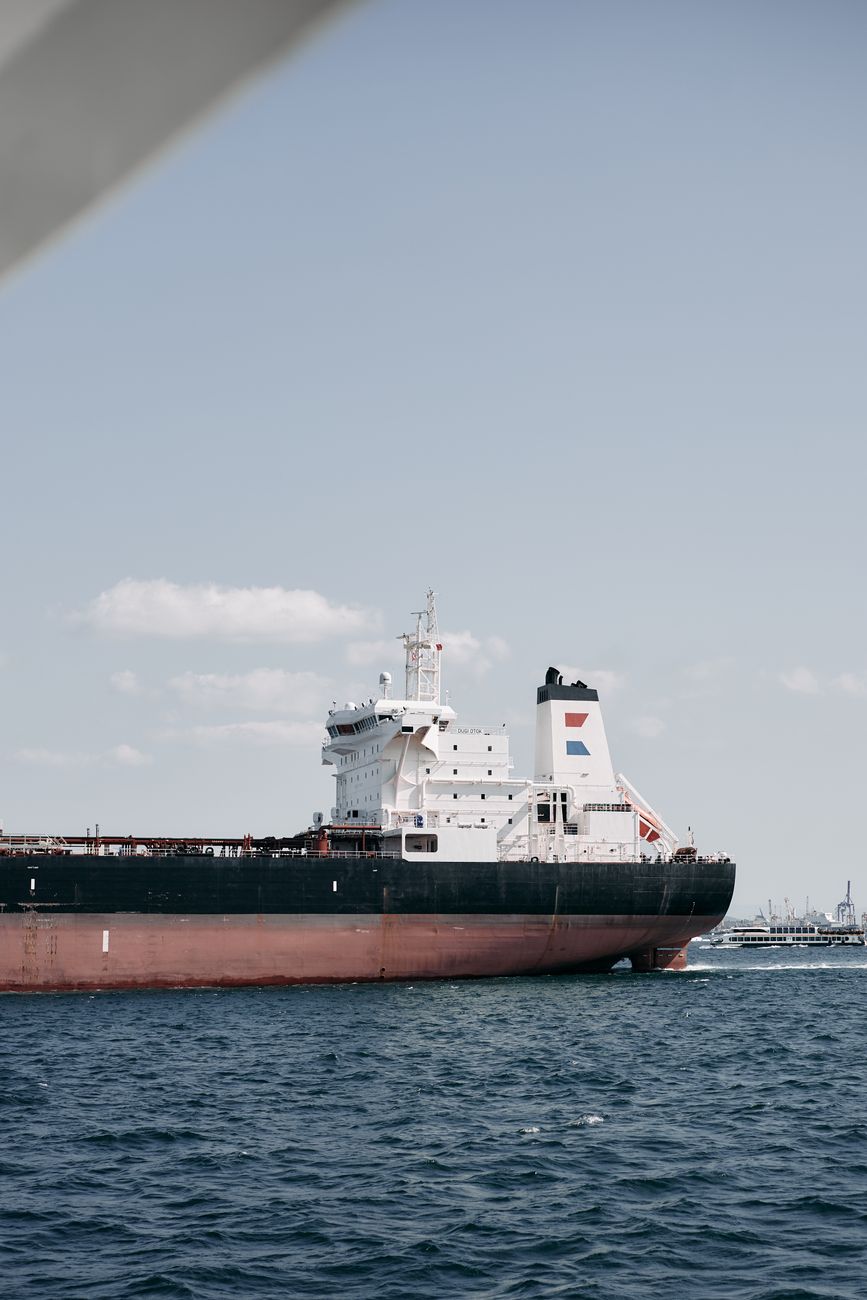
Breakwave Advisors said 2026 opened with considerable momentum in dry bulk, and Veson estimated average first-quarter Capesize earnings at $23,000/day, about 75 per cent above a year earlier. Those numbers support the view that freight strength has spread beyond tankers. They do not justify a blanket call on every bulk name. Owners with exposure to long-haul iron ore and bauxite routes look better placed than operators tied to shorter, more cyclical regional trades.
Stock selection matters more than the top-down macro call. The cleaner beneficiaries are operators exposed to routes where replacement sourcing lengthens voyage duration or keeps ballast management messy. Companies dependent on short regional loops can still miss the trade even if sector averages improve.
The same logic answers the insider question about sustainability. Charterers can stop panic-booking tankers once routing stabilizes. They cannot quickly shrink the distance between Brazilian ore and Asian mills, or between Atlantic energy suppliers and importers that used to source more heavily through the Gulf. The longer the trade map stays distorted, the more some dry-bulk segments inherit a freight premium from an oil shock they did not create.
Recent reporting argues against calling the peak too early. The Financial Times argued this week that the Gulf crisis may only be starting, while MarketWatch argued that crude is already going the long way around the world as buyers plug supply gaps. Those are different publications with the same core message: duration matters more than the first headline spike. Shipping stocks usually rerate on duration.
What could end the trade
A fast normalization would break the thesis. Gulf traffic would need to reopen quickly, insurance costs would need to fade, and crude would need to fall far enough to restore ordinary sourcing patterns before freight tightness becomes structural. That is possible. It is not yet visible in the published data.
The Reuters report on the IEA forecast quoted the agency as saying:
“The petrochemical and aviation sectors are currently most affected, but higher prices, a weaker economic environment and demand-saving measures will increasingly impact fuel use.”
— IEA, via Reuters
Should that weakness broaden into a deeper industrial slowdown and Asia import programs roll over, shipping eventually loses volume as well. Sequence matters. First crude upside breaks. Later freight can follow if the macro damage gets large enough.
The indicators to watch are refinery runs, Asia import programs and spot freight rates, not front-month Brent alone. If rates retreat while Hormuz traffic normalizes, the trade is done. If rates hold despite softer oil, the market is confirming that tonne-miles still dominate. Even Bloomberg’s report on Japan receiving the first tanker to exit Hormuz since the war began underscored how exceptional each successful movement still is.
Oil prices are getting the attention. The better equity signal may sit one layer down the chain. If oil demand destruction becomes the mechanism that caps crude while rerouting keeps ships busy, the barrels may lose momentum before the ships do.
Sloane Carrington
Markets columnist. Analytical pieces and deep-dives on monetary policy, capital flows and corporate strategy. Reports from New York.