Stocks before midterm elections 2026 run into a yield test
Stocks before midterm elections often hit a weaker summer patch. In 2026, 5% long Treasury yields are raising the cost of ignoring that history.

US stocks entered Memorial Day weekend on an eight-week S&P 500 winning streak, yet the rally is moving into the stretch that has often been the weakest part of a US midterm year. For investors who watch market cycles, the warning is not that 2026 must repeat old election calendars. It is that the easy lift in equities may already be over just as long Treasury yields are pressing back above 5 per cent.
Seasonality has traction now. MarketWatch’s review of the pre-midterm pattern put the current setup in simple terms: stocks have rallied hard into summer, while Capital Group’s midterm charts show average S&P 500 returns of 4.7 per cent in election years since 1931 and RBC Wealth Management’s election-year study points to average pullbacks of 20.8 per cent in the twelve months before a midterm vote. Layer that onto a bond market that just pushed the 30-year Treasury yield to 5.197 per cent in CNBC’s reporting on the sell-off, and the calendar starts to look less like trivia and more like a stress test for valuations.
Kelly Bogdanova at RBC supplies the necessary counterweight. Elections can shape sentiment, she argues, but they do not set earnings, inflation or the Federal Reserve’s next step. Her point matters because the midterm pattern is best read as a description of when investors are most exposed to bad macro news, not a stand-alone explanation for why stocks fall.
Why the calendar keeps returning
Matt Miller, Capital Group’s political economist, treats the summer before a midterm less as a prophecy than as a period when investors pay more for certainty. Capital Group’s analysis notes that long-term equity returns still come from corporate value creation, but election years often bring a hesitation point as policy expectations shift and portfolio managers trim risk.

“Markets don’t like uncertainty,”
— Capital Group, “How U.S. midterm elections may affect markets”
Context matters more than the slogan. Midterm years tend to carry a dispute over taxes, spending and regulation at the same moment liquidity thins out in late summer. Nasdaq Dorsey Wright’s midterm-year study found that the pattern often includes a softer middle stretch before a later rebound, which helps explain why this tendency keeps showing up in market folklore without becoming a simple sell signal.
This year’s version also arrives after an unusually steady advance. CNBC noted when the S&P 500 extended its weekly winning streak that higher oil prices and rising bond yields were already leaning on sentiment even as index gains held together. A market that has absorbed those shocks can look resilient. It can also look fully priced for good news.
Why yields are the live risk factor
Rates are the cleaner lens for 2026. The midterm window may matter only because rates have become expensive again. Election uncertainty by itself rarely crushes multiples. A higher discount rate can.
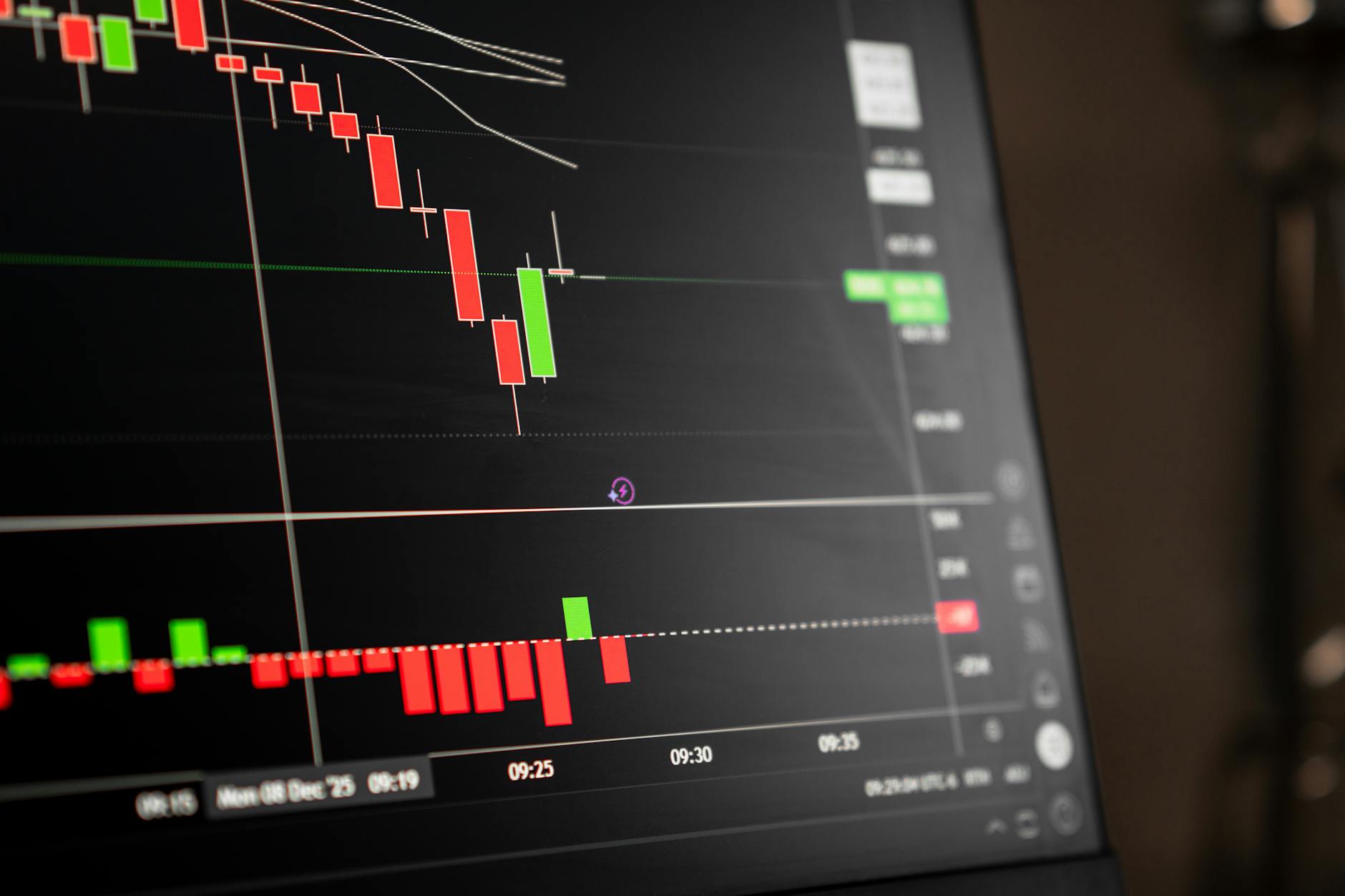
In CNBC’s reporting on the Treasury move, investor Jim Lacamp put the market’s concern in the plainest possible terms before turning to the effect on stocks.
“It’s a real problem,”
— Jim Lacamp, quoted by CNBC
Arithmetic is the problem. When the 30-year Treasury yield moves toward 5.25 per cent, future cash flows from growth companies are worth less in present terms, equity risk premiums narrow and investors who were willing to own richly valued cyclicals or technology shares start asking whether a government bond is paying enough to wait.
Ian Lyngen, BMO Capital Markets’ head of U.S. rates, drew that line more explicitly in the same CNBC report on long-end yields.
“If and when 30-year rates manage to reach 5.25% in the next few weeks, there will be a more durable pullback in equity valuations,”
— Ian Lyngen, BMO Capital Markets, quoted by CNBC
Lyngen’s warning answers one of the harder questions in the midterm debate. Investors do not need to believe in an election curse to see why stocks could struggle. They only need to believe that inflation stays sticky enough, or fiscal risk broad enough, to keep long yields pinned high. Fast Company’s AP report on Wall Street’s recent rebound noted the 10-year Treasury yield at 4.64 per cent, still above where it stood before the Iran conflict pushed energy prices higher. The Financial Times also reported a broader global bond sell-off on inflation fears. In other words, the rate pressure is not a side note to the seasonal pattern. It is the mechanism that could make the pattern bite.
What history can and cannot promise
Bogdanova’s skepticism remains important because it keeps the argument honest. RBC’s note on midterms and markets says election years can coincide with volatility, but the bigger drivers over time are still recessions, inflation shocks and policy tightening cycles. That is a better framework for readers than treating the calendar as a clock that automatically strikes danger in July.
The ugliest drawdowns in any cycle usually need something larger than the ballot box: a growth scare, an inflation shock or a Federal Reserve squeeze. The election calendar can tell investors when nerves are likely to fray. It cannot tell them whether the next inflation print, payrolls report or Treasury auction will supply the trigger.
Another question investors keep asking is what happens if the wobble comes. Capital Group’s data on post-midterm returns show the S&P 500 has averaged 15.4 per cent in the year after midterm elections since 1950. RBC makes a similar point, and Nasdaq Dorsey Wright’s work suggests midterm years often bottom before a late-year recovery. That does not protect investors from a summer drawdown. It does argue against treating any pullback as proof that the broader bull run has ended.
Only a narrower conclusion fits the evidence. Stocks are entering a season that has often been awkward for risk assets, and they are doing it with bond yields high enough to challenge valuations every day. The calendar explains when the market may become less forgiving. The bond market explains why. If inflation cools, yields retreat and earnings hold up, the midterm warning may pass as another statistic. If long rates stay above 5 per cent, the summer before the 2026 vote could become the point when a strong rally finally has to earn its next leg.
Sloane Carrington
Markets columnist. Analytical pieces and deep-dives on monetary policy, capital flows and corporate strategy. Reports from New York.