U.S.-Iran ceasefire extension nears as Hormuz may reopen
U.S.-Iran ceasefire extension talks point to a 60-day deal and phased Hormuz reopening, giving oil and tanker markets a new de-escalation signal.
The U.S. and Iran moved closer on Saturday to a 60-day ceasefire extension tied to a phased reopening of the Strait of Hormuz, giving oil traders a clearer sense of when the war’s supply disruption might begin to ease.
Mediators briefed on the talks told the Financial Times the proposal would extend the truce for another 60 days and open a further 30-to-60-day window for work on a broader nuclear framework. For energy markets, the issue is no longer just whether the ceasefire holds. It is how quickly shipping lanes, freight costs and emergency pricing can move back toward normal.
The plan is still under review in Washington and Tehran, and neither side has called it final. After weeks of reversals, that caution matters. So does the fact that this round of diplomacy is tied to shipping access rather than another exchange of public threats.
What is in the proposal
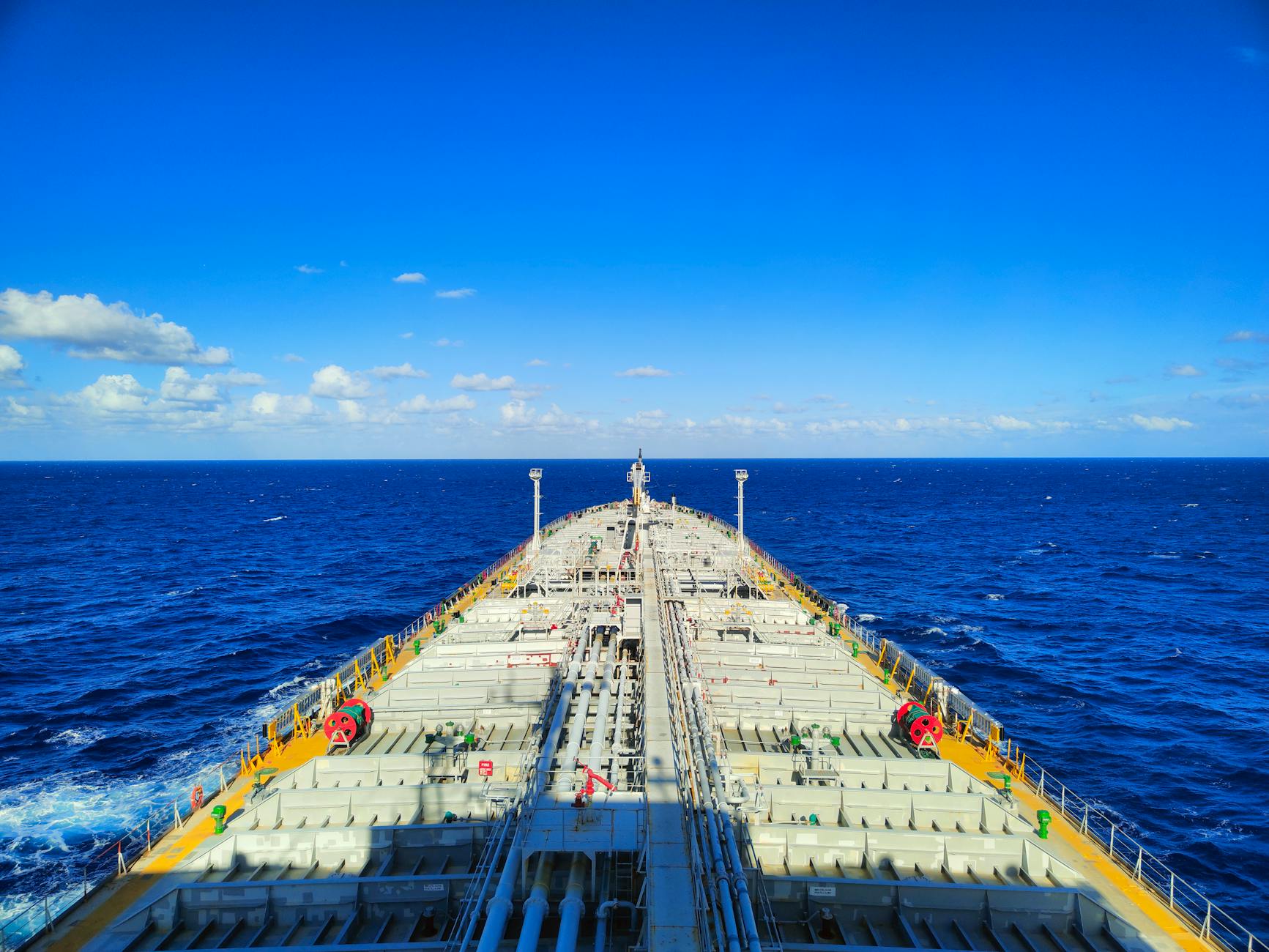
Under the outline reported by the Financial Times, the next phase would pair a longer ceasefire with staged steps toward reopening Hormuz, the chokepoint at the center of the spring oil shock. A fragile truce has been in place since April 8, according to CNBC’s account of the talks, and the follow-on stage could run 30 to 60 days if the first leg is approved.
“The deal seems to be going in the right direction. It’s with the Americans now for review,” a diplomat briefed on the talks told the Financial Times.
For oil desks, that difference is practical. A ceasefire headline that leaves shipping constrained can keep a geopolitical premium in crude. A ceasefire tied to actual access through Hormuz gives refiners, shipowners and insurers a schedule they can start to model, even if the details remain provisional.
Iranian officials have signaled that an agreement is close without saying it is done, while U.S. officials have kept public pressure on Tehran as mediators describe progress. Markets will probably wait for operating details before removing much of the war premium from oil and freight.
Why Hormuz matters for oil
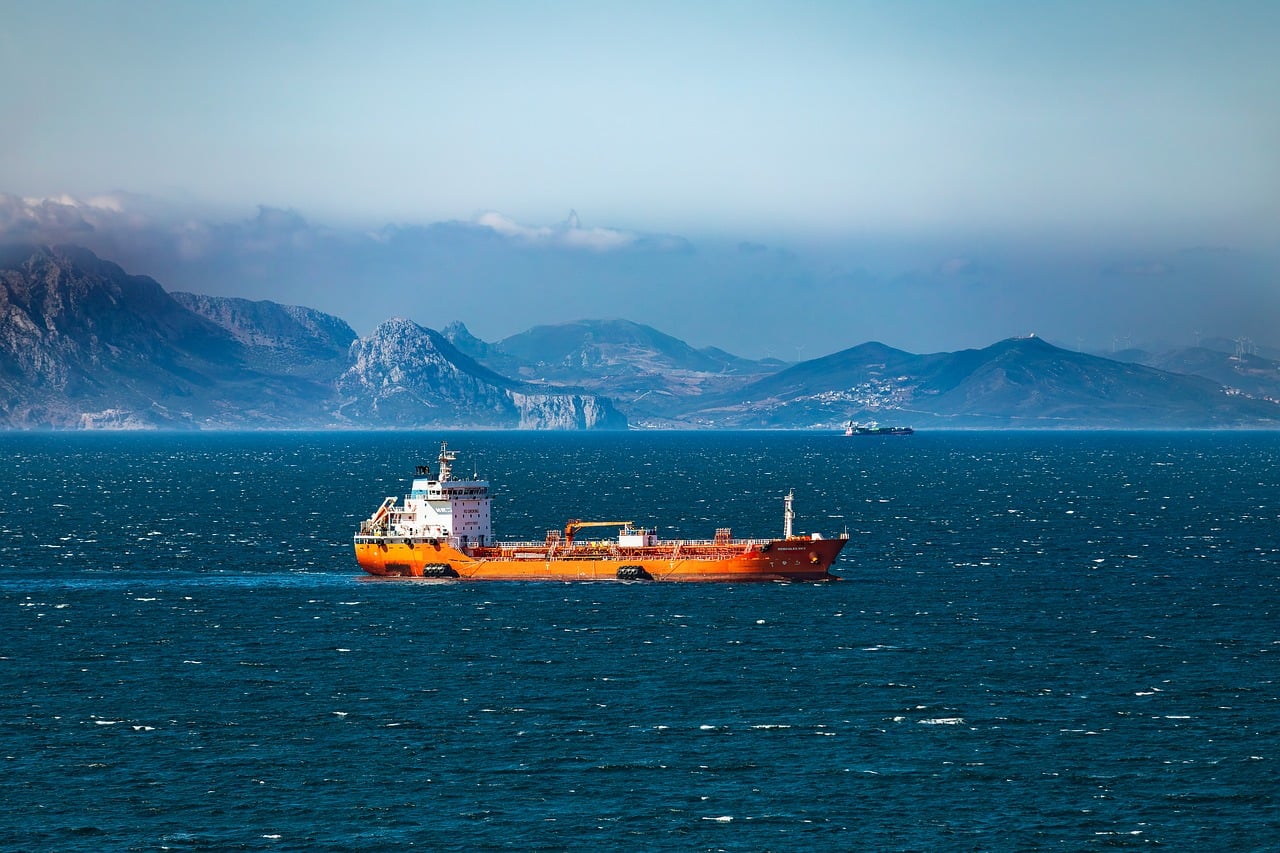
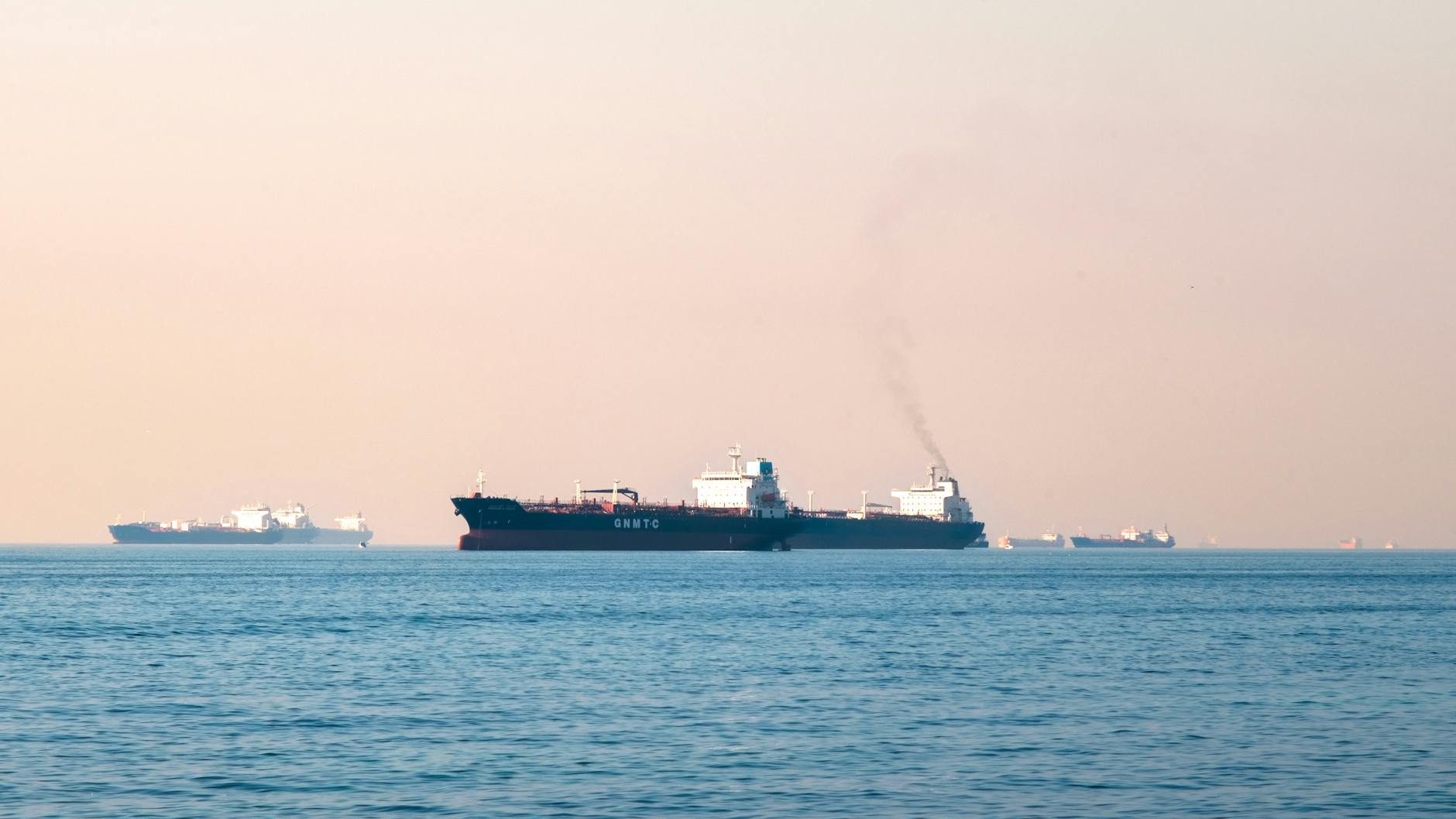
The shipping piece is what makes this more than a diplomatic update. Earlier this week, two Chinese tankers carrying about 4 million barrels of oil exited Hormuz as U.S. officials talked up the chances of a deal, an early sign that even limited changes in access to the waterway can alter cargo decisions and price expectations.
“Believe me, if we don’t get the right answers, it goes very quickly. We’re all ready to go,” Donald Trump said of the Iran talks, according to Reuters.
That warning showed how narrow the window remains. The White House has framed the talks as a short attempt to secure a workable ceasefire extension and a path into the next stage of nuclear negotiations, not as a broader reset in relations.
If ships resume moving in stages, insurers can start to reprice risk, delayed cargoes can clear and some inflation pressure from emergency energy routing can ease. That would be a sharp turn from late April, when Washington was seeking international help to reopen Hormuz as crude prices surged.
For now, traders are still carrying two outcomes: a deal that gradually reopens one of the world’s most sensitive energy corridors, or a collapse in talks that pushes the premium back into oil and shipping markets. Until the extension is signed, both paths remain live.
Reza Najjar
Commodities desk covering oil, natural gas, gold and base metals. Reports from London.