BOJ Ueda absence clouds June rate decision as yen stays near 160
BOJ Ueda absence shifts June rate messaging to deputies as markets price a 25-basis-point hike and watch the yen near 160.5.
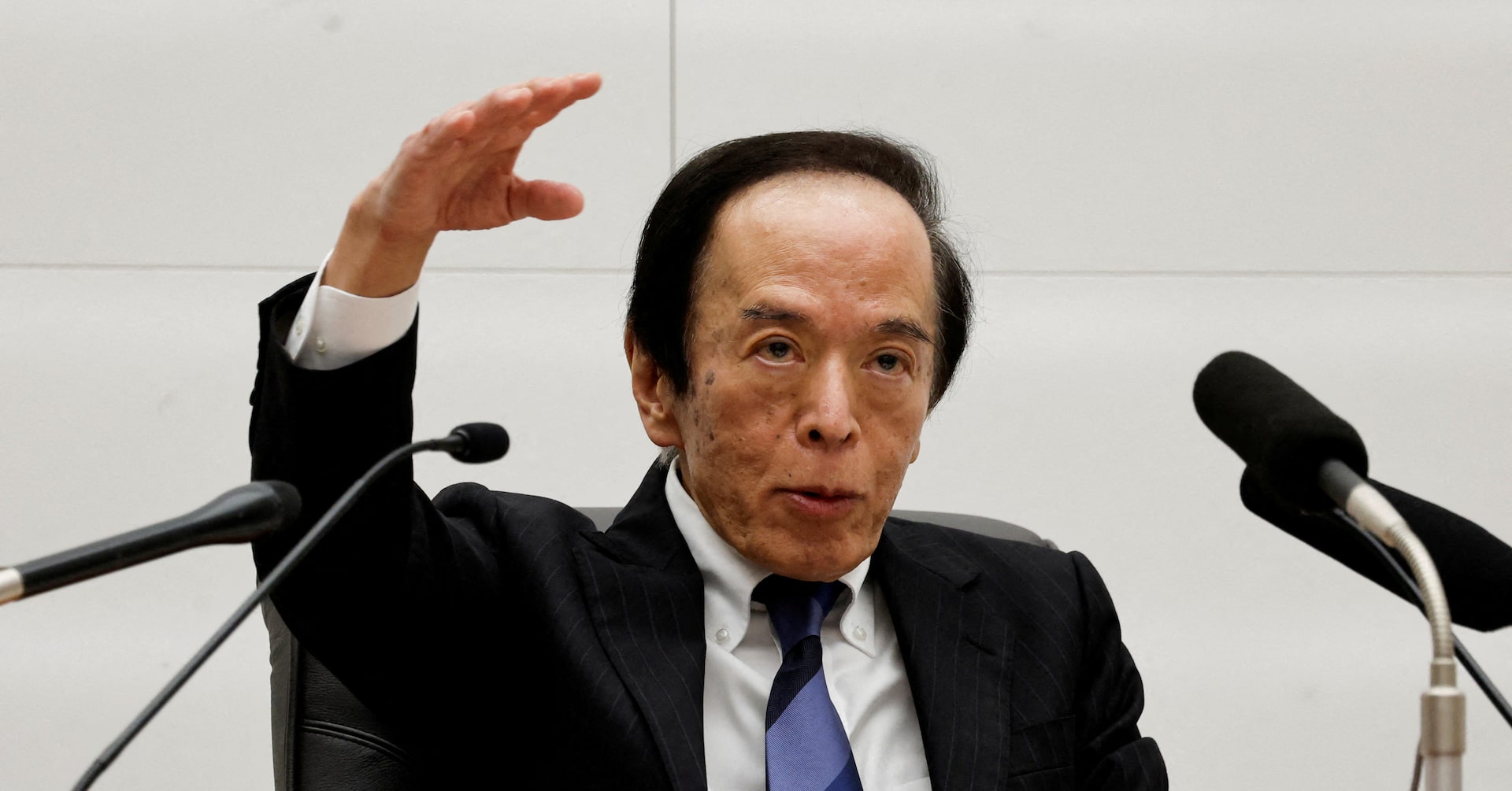
Bank of Japan Governor Kazuo Ueda’s hospitalization has turned next week’s policy decision into a test of the bank’s communication chain, with deputies due to run the June 15-16 meeting and carry the message to markets. Ueda will miss the policy meeting while he remains in hospital for treatment expected to last about two weeks, Reuters reported, citing the central bank.
Policy pricing still points to a move toward tighter settings. Investors remain positioned for a 25-basis-point increase, Bloomberg reported. The governor’s absence, though, changes the setting in which officials normally steer expectations for the next move. Deputy Governor Ryozo Himino is expected to chair the meeting; Deputy Governor Shinichi Uchida is set to take the post-meeting press conference.
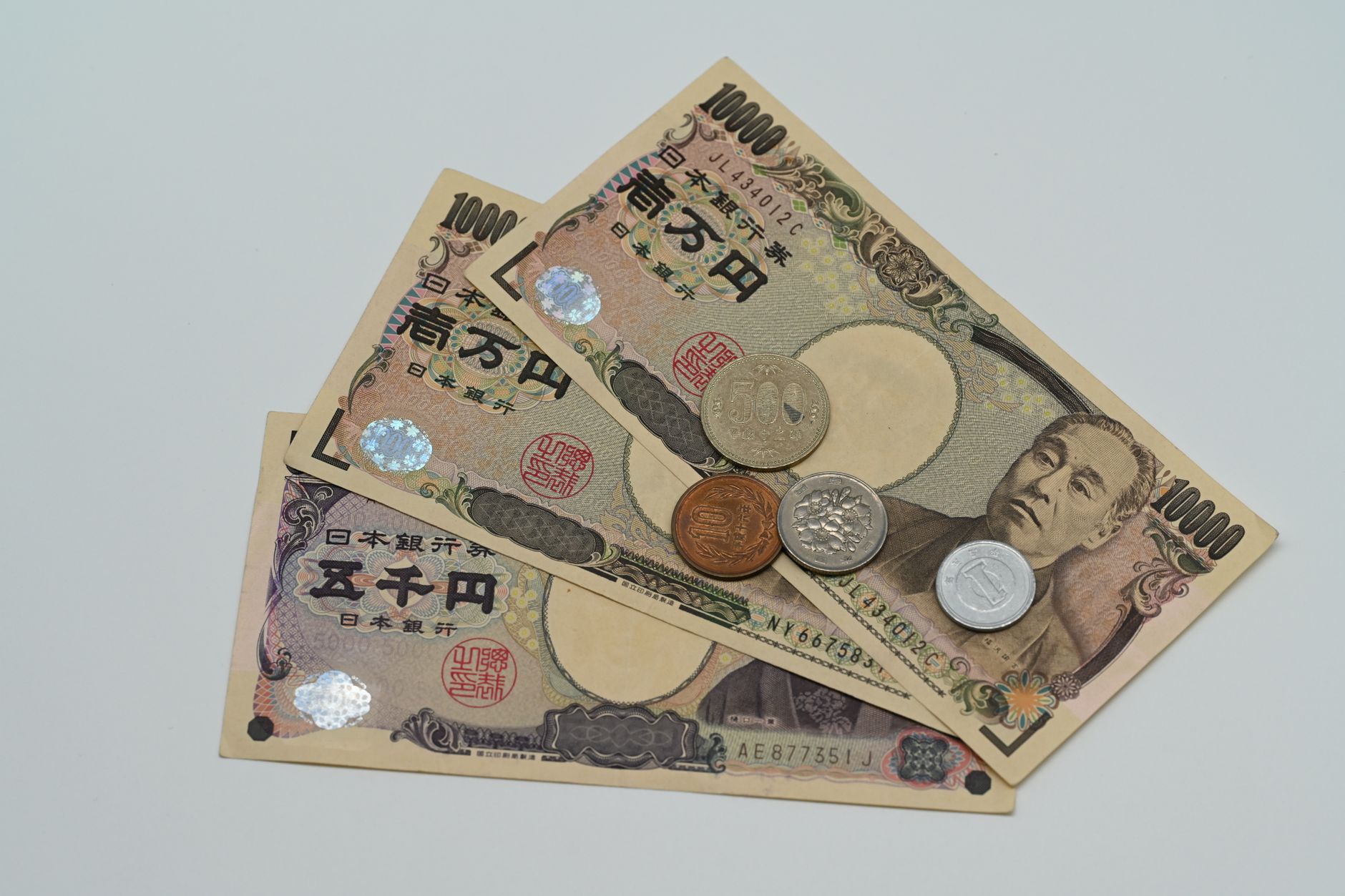
The split lands at a decision already loaded with currency and bond-market implications. The yen was little changed around 160.5 per dollar in Tokyo trading, while Bloomberg said overnight index swaps briefly marked the chance of a hike down to 73 per cent before almost fully pricing one in again.
Nomura Securities rates strategist Mari Iwashita said the absence could make the communication path more cautious, even if the policy outcome stays on track.
“With Ueda’s absence, the BOJ may decide not to send clear signals on the future rate path.”
Mari Iwashita, Nomura Securities, via Reuters
For markets, the concern is less about one vote than about the press conference. Ueda has become the bank’s main interpreter as Japan moves away from ultra-loose policy, and investors usually parse his language for clues on the pace of future rate increases, the yen and demand for Japanese government bonds.
Commonwealth Bank of Australia currency strategist Carol Kong told Bloomberg that traders were focused on how Uchida handles the public message after the rate decision.
“A 25-basis-point hike still looks all but certain. The bigger question for markets is how Uchida handles the press conference.”
Carol Kong, Commonwealth Bank of Australia, via Bloomberg
Communication risk
The meeting structure leaves Himino in charge of the policy discussion and Uchida as the face of the decision afterward. That gives the BOJ continuity at the board table, but it also puts the forward-guidance burden on a deputy governor when investors are already watching for signs of how far the tightening cycle can run.
Uchida is not an unknown quantity. As deputy governor, he has been part of the leadership group guiding the BOJ’s exit from years of negative rates and yield-curve control. Even so, markets tend to reward central banks for repetition and hierarchy. A change in speaker can make a familiar message sound less definitive, especially with the yen trading near levels that keep currency policy in focus.
The immediate test is whether officials can separate Ueda’s temporary absence from the rate signal. If the bank raises by 25 basis points and Uchida avoids a hard steer on the next meeting, traders may treat the decision as a hike paired with a deliberate pause in guidance. If he sounds comfortable with further tightening, the yen and Japanese yields are likely to absorb that as an extension of Ueda’s prior direction.
For now, the health detail is secondary to the institutional one. The BOJ has said who will run the meeting and who will face the press. Markets now have to decide whether the deputies can deliver the same policy signal investors expected from Ueda.
Helena Brandt
Macro reporter covering the Federal Reserve, ECB, inflation prints and jobs data. Reports from Washington.