BOJ rate hike odds rise as Ueda flags inflation risk
BOJ rate hike odds climbed after Kazuo Ueda said Japan may need more tightening, putting yen and global bond trades on alert.
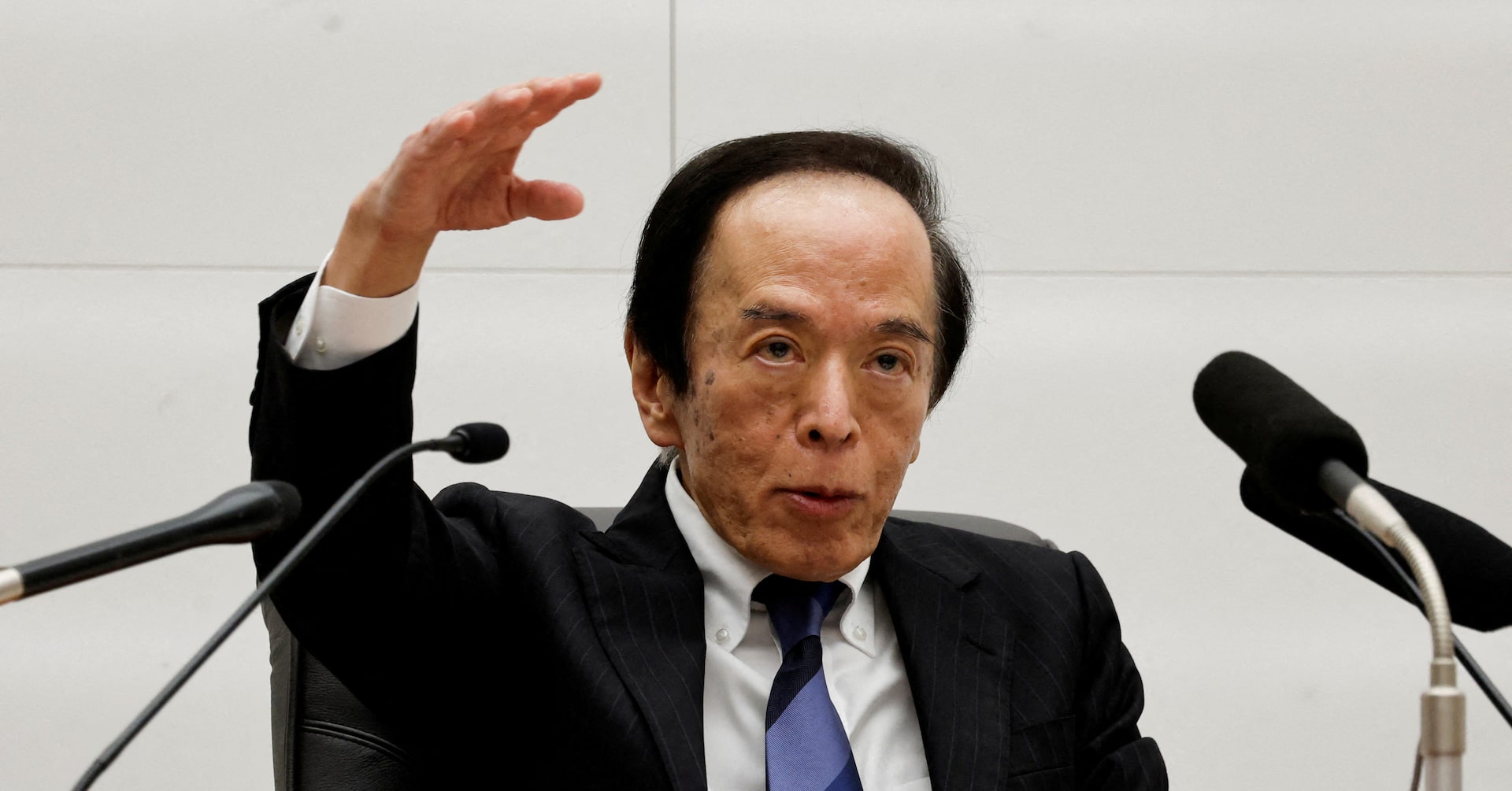
Bank of Japan Governor Kazuo Ueda said policymakers still need to keep raising interest rates if inflation risks continue to build, giving investors a firmer signal that a June increase is in play despite concerns about global growth and the Middle East shock.
That puts the June meeting squarely in the frame.
The speech was Ueda’s last scheduled public appearance before the BOJ’s June 15-16 decision, and markets treated it as guidance rather than routine commentary. Bloomberg reported that traders put the odds of a quarter-point move at roughly 85 per cent after the remarks. Such a move would lift the policy rate to its highest level since 1995.
Ueda’s warning was carefully hedged. He did not say the central bank can ignore higher energy costs or weaker confidence. His point was that imported inflation may be seeping into domestic price-setting, leaving the BOJ less room to wait while other central banks judge how much growth risk they can absorb.
“Japan is currently in a situation in which the secondary spillover effects of inflation stemming from higher crude oil prices are more likely to lead to an overshoot of underlying inflation.”
Kazuo Ueda, Bank of Japan governor
The line was carried by Reuters through Investing.com. It matters because the BOJ has spent much of the past two years trying to distinguish temporary import-price pressure from a durable inflation cycle. Its latest forecast puts inflation at 2.8 per cent for the year ending in March, above the central bank’s 2 per cent target and high enough to keep the policy debate tilted toward more normalization.
Markets price June risk
The yen traded around 159.83 after Ueda’s remarks, according to Bloomberg, as investors tested whether Japan’s rate gap with the US and Europe is finally narrowing. A stronger tightening signal can support the currency at the margin. It also asks a harder question for bond markets: whether Japanese investors will demand more yield at home and need less exposure to overseas debt.
This is why the BOJ meeting has become more than a domestic rates event. Japan remains one of the world’s largest pools of savings, and even small changes in expected Japanese yields can ripple through demand for Treasuries, euro-area bonds and currency-hedged carry trades. The spillover is sharper when US rate-cut timing is still unsettled.
Hideo Kumano, an executive economist at Dai-Ichi Life Research Institute and a former BOJ official, read Ueda’s language as a plain signal that the board is preparing to move. “Ueda’s remarks are clearly indicating a rate hike,” Kumano told Bloomberg. “The BOJ will probably raise rates this month.”
Foley heard the same message. Jane Foley, senior FX strategist at Rabobank, told Bloomberg that Ueda had made clear a June move was “firmly up for discussion” and had closed by expressing confidence that Japan’s economy could withstand the current shock.
What the BOJ is balancing
The risk for Ueda is that the BOJ tightens into a fragile moment for households and exporters. Higher crude prices can lift headline inflation without improving real wages; a stronger yen can weigh on overseas earnings when they are translated back into local currency. Those facts do not rule out a hike. They explain why the governor framed the decision around whether inflation’s second-round effects are becoming harder to contain.
For markets, the next test is whether the BOJ board treats the speech as policy guidance. A rate increase this month would confirm that Japan’s long exit from ultra-easy policy is still progressing. A pause would suggest external shocks still have veto power over the normalization path.
Helena Brandt
Macro reporter covering the Federal Reserve, ECB, inflation prints and jobs data. Reports from Washington.