BOJ raises rates to 1% as yen carry trades face test
BOJ raises rates to 1% for the first time since 1995, putting yen carry trades and Japan's bond-buying path under fresh pressure.
The Bank of Japan lifted its policy rate to 1 per cent on Tuesday, the highest level since 1995, moving a long-telegraphed risk for yen carry trades from market talk into the cash rate.
Tuesday’s 25 basis point increase from 0.75 per cent was approved by a 7-1 vote, with board member Toichiro Asada dissenting, according to the central bank’s policy statement. The BOJ also said it would stop paring Japanese government bond purchases from April 2027, keeping monthly buying near ¥2 trillion and retaining a large presence in the world’s second-biggest sovereign bond market.
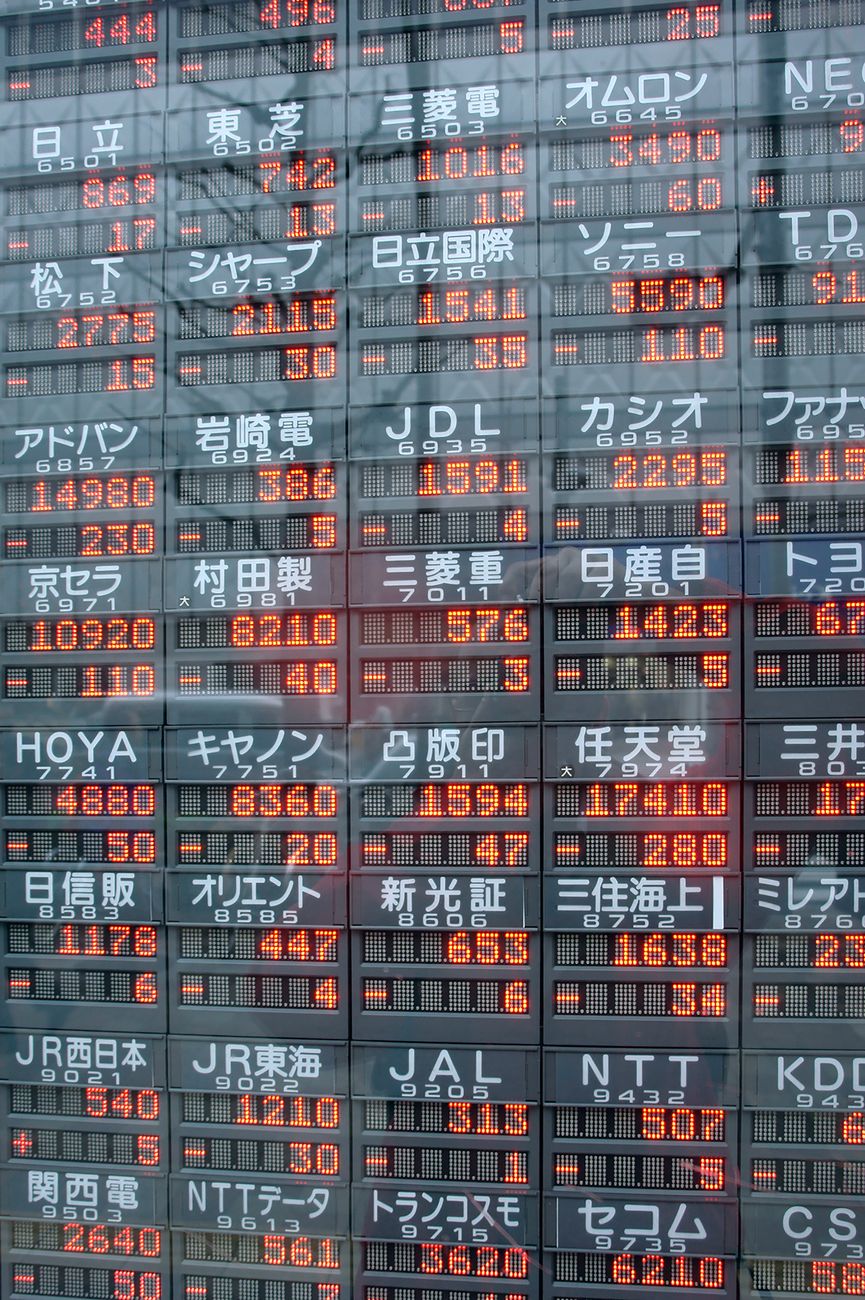
Currency pressure still framed the announcement: Bloomberg reported the yen near 160.215 per dollar after the decision, as traders watched for how Deputy Governor Shinichi Uchida would describe the next step. The move takes Japan farther from the ultra-loose settings that made the yen a preferred funding currency for global investors.
Inflation, rather than exchange-rate defence, carried the bank’s public case. In the statement, policymakers said price risks had moved higher:
Taking into account that medium- and long-term inflation expectations have also continued to increase, there is a risk of underlying inflation deviating above our price target
Bank of Japan policy statement
That warning gives officials room to keep tightening even if headline inflation eases. Rates in Japan still sit far below the US Federal Reserve and European Central Bank bands, but the gap has narrowed again.
Carry trade comes under strain
For markets, 1 per cent was not the whole story. Officials had spent weeks preparing investors for another increase, and Reuters reported before the meeting that they were likely to raise rates while leaving room for further moves. The sharper question is whether the new level changes the economics of borrowing in yen to buy higher-yielding assets elsewhere.
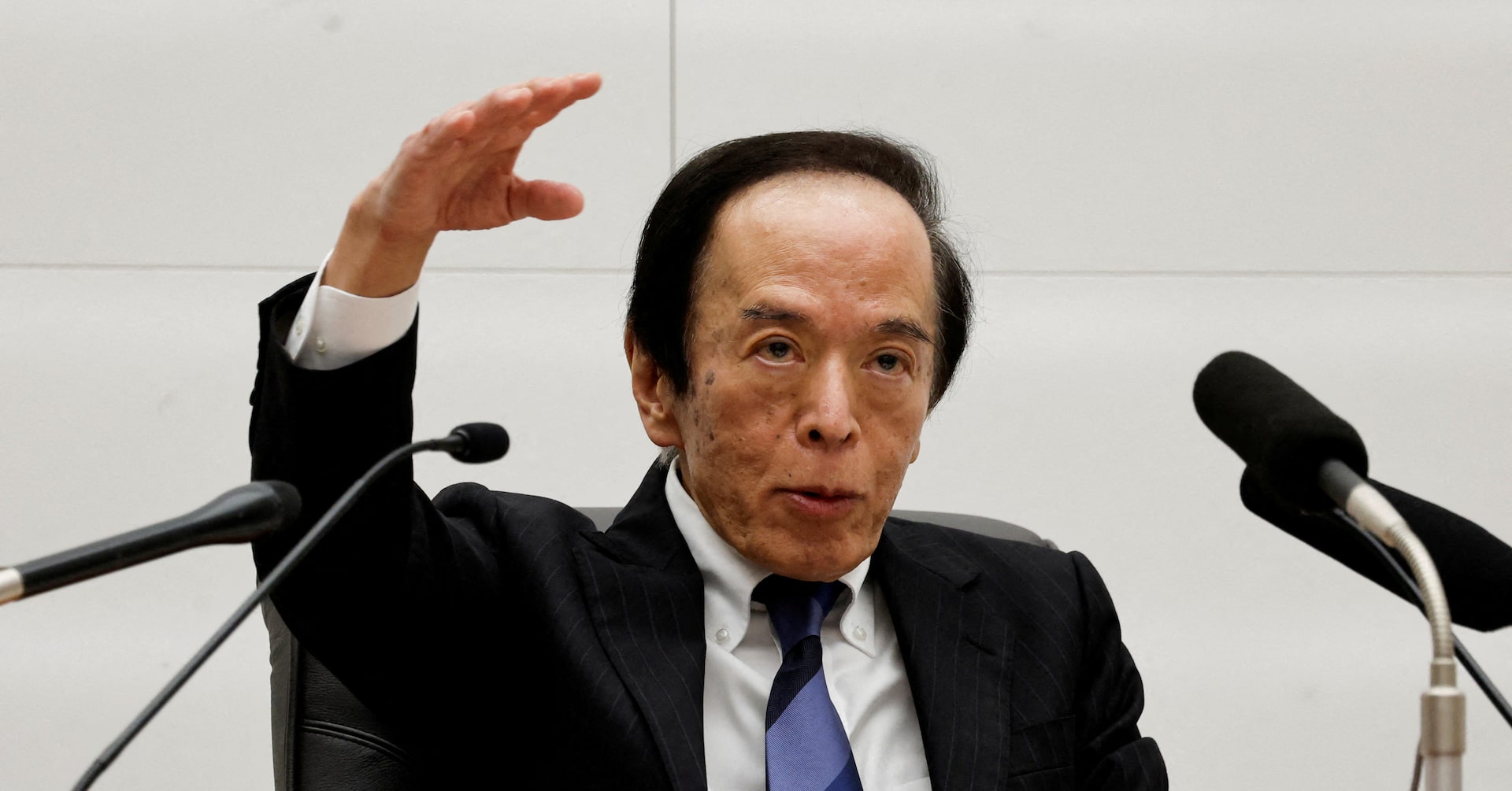
Borrowing in yen is no longer quite so cheap. A higher Japanese cash rate lifts the funding cost behind those trades and can make forced unwinds more violent if investors decide yen weakness has run too far. Uchida’s press conference therefore becomes part of the policy signal: he is set to lead it after Governor Kazuo Ueda was hospitalised last week, according to the Financial Times item, leaving investors to judge whether the deputy governor presents the hike as a one-off adjustment or part of a faster normalisation path.
Bloomberg quoted Shotaro Mori as saying the decision stopped short of a decisive signal for the next meeting:
The statement delivered only a limited hawkish signal
Shotaro Mori, Bloomberg
For bonds, the message was deliberately cautious. By planning to end the taper from April 2027 rather than shrink purchases indefinitely, the BOJ is trying to tighten short-term policy without inviting a disorderly repricing in JGBs. Domestic banks, insurers and pension funds have been rebuilding assumptions around positive rates after decades of near-zero returns, so the purchase path matters almost as much as the cash-rate move.
From here, the test shifts back to the yen. If the currency keeps weakening beyond 160 per dollar, investors may conclude the BOJ’s rate path is still too shallow to offset the global yield gap. If the yen firms and JGB yields stay contained, Tuesday’s decision will look more like a controlled step in Japan’s long exit from emergency monetary policy.
Helena Brandt
Macro reporter covering the Federal Reserve, ECB, inflation prints and jobs data. Reports from Washington.