BOJ rate hike odds near 76% as Himino urges steady pace
BOJ rate hike odds hovered near 76% after Ryozo Himino said proper policy timing is key to keeping JGB markets confident.

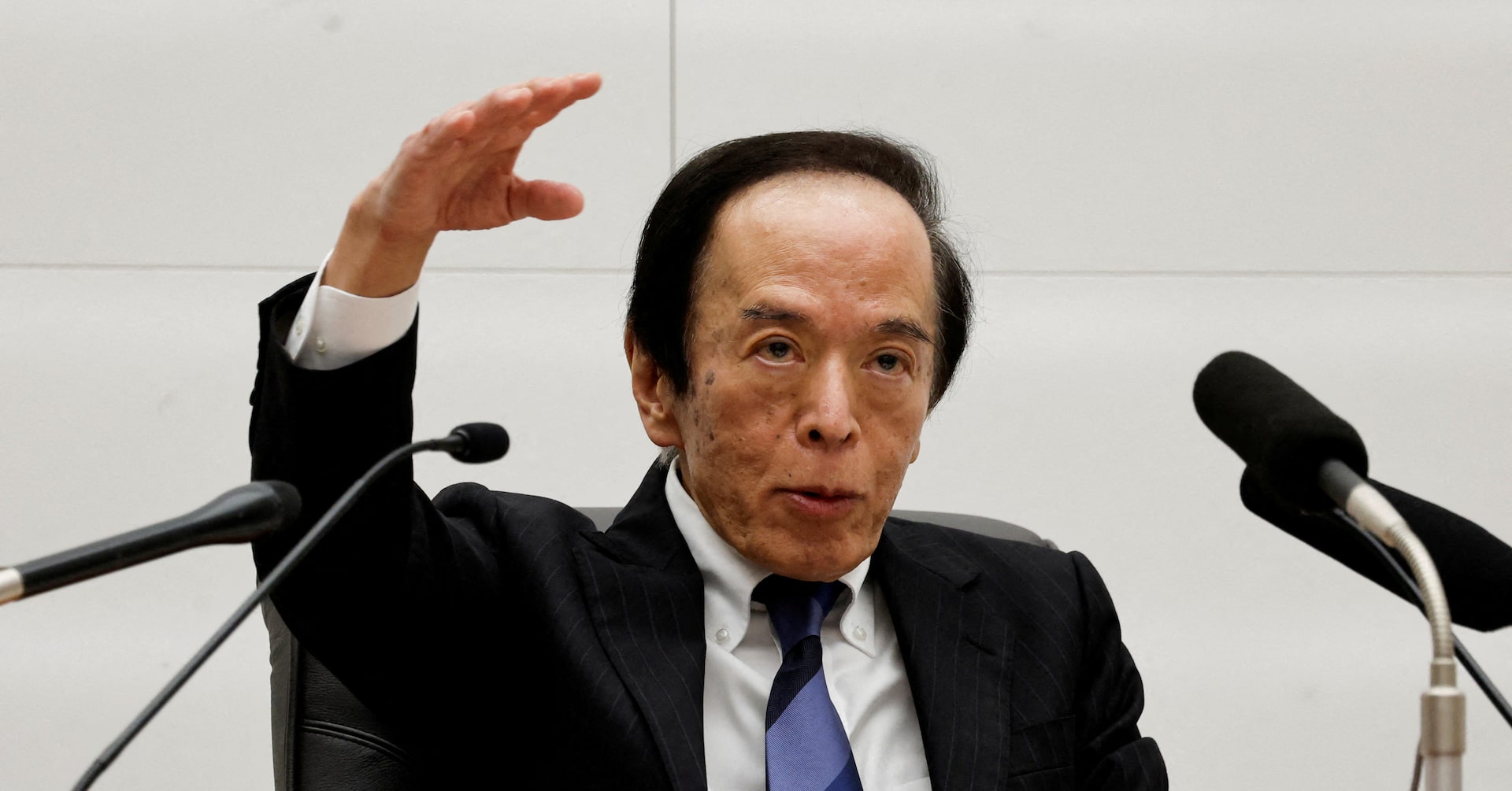
BOJ rate-hike odds were near 76 per cent after Deputy Governor Ryozo Himino said Japan’s central bank needs to move carefully to preserve confidence in a government-bond market still digesting its sharpest repricing in decades.
That probability, down from above 80 per cent last week according to Bloomberg, keeps a June increase in play. It also shows how little room the Bank of Japan has to sound either relaxed or forceful. Himino was not saying officials can talk yields lower. He was saying investors have to believe inflation can be contained without the central bank adding another source of stress.
In comments reported by Bloomberg, Himino put the credibility test this way:
it is important to maintain market confidence that inflation will be appropriately controlled by adjusting the degree of monetary easing at an appropriate pace
Ryozo Himino, Bank of Japan deputy governor
The comments land in a bond market already moving sharply across the curve. The 10-year yield touched 2.809 per cent on May 20, the highest since 1996. Longer maturities have also been under pressure as investors reassess inflation, fiscal supply and the BOJ’s smaller role as a buyer. Prime Minister Sanae Takaichi’s budget remarks added to the unease, with CNBC reporting that bond investors now see inflation, further rate increases and heavier issuance as increasingly difficult to ignore.
That is the gap Himino is trying to manage.
The BOJ wants markets to separate the overnight-rate path from the mechanics of the bond market. Traders are not making that distinction cleanly. In a sovereign market where the central bank still owns a vast stock of bonds, any change in buying plans affects liquidity, term premiums and auction demand.
Recent auctions have made the point harder to avoid. Bloomberg reported that Japan’s two-year yield rose after a lukewarm auction, suggesting even short maturities are absorbing expectations for policy change. Farther out the curve, the issue is not only whether the BOJ raises rates again. It is who takes duration when insurers, pension funds and foreign buyers demand more compensation.
Why yields matter
Either side of the policy path carries a cost. Tighten too slowly and inflation expectations may drift. Tighten too quickly, or step away too abruptly from bond purchases, and the BOJ risks worsening the yield move it is trying to normalise. Reuters reported separately that the BOJ may heed calls to pause its bond-taper plan next fiscal year, a sign that officials are watching market plumbing as closely as the headline rate debate.
Himino also gave policymakers an external reason to keep options open. In remarks carried by Reuters, he said the BOJ would assess how Middle East developments affect Japan’s economy and prices before deciding the timing and pace of policy adjustments. For Japan, still sensitive to imported energy costs and yen moves, geopolitical risk feeds into inflation through currency and trade channels rather than just through market headlines.
Politics adds another complication. Takaichi’s fiscal stance keeps the supply side of the bond story in view just as the BOJ is trying to normalise policy. Investors can live with higher yields if the path is predictable. They are less forgiving when heavier issuance meets uncertain central-bank demand.
Nor is the pressure confined to Japan. Global bond markets have been repricing fiscal risk and inflation persistence, but Japan’s adjustment is more delicate because the BOJ is exiting a policy regime that shaped the entire JGB curve for years. A Bloomberg analysis argued that rising yields now signal more than healthy policy normalisation, with higher discount rates starting to reshape Japanese markets beyond bonds.
For Governor Kazuo Ueda and his deputies, the June meeting is a credibility test as much as a rates call. Holding policy steady could read as caution if yields stay disorderly, or as delay if inflation data keep firming. Raising rates could reinforce the BOJ’s inflation-control message, but only if investors believe officials can manage the balance sheet and the government’s funding backdrop without another jump in term premiums.
Himino’s intervention points to the path the BOJ wants markets to price: further tightening, if needed, paired with enough flexibility in bond operations to keep confidence from breaking before the next decision.
Helena Brandt
Macro reporter covering the Federal Reserve, ECB, inflation prints and jobs data. Reports from Washington.