US fuel prices may stay high after any Iran ceasefire
US fuel prices may stay high after any Iran ceasefire, with gasoline near $4.55 a gallon as inventories, refining and travel demand stay tight.
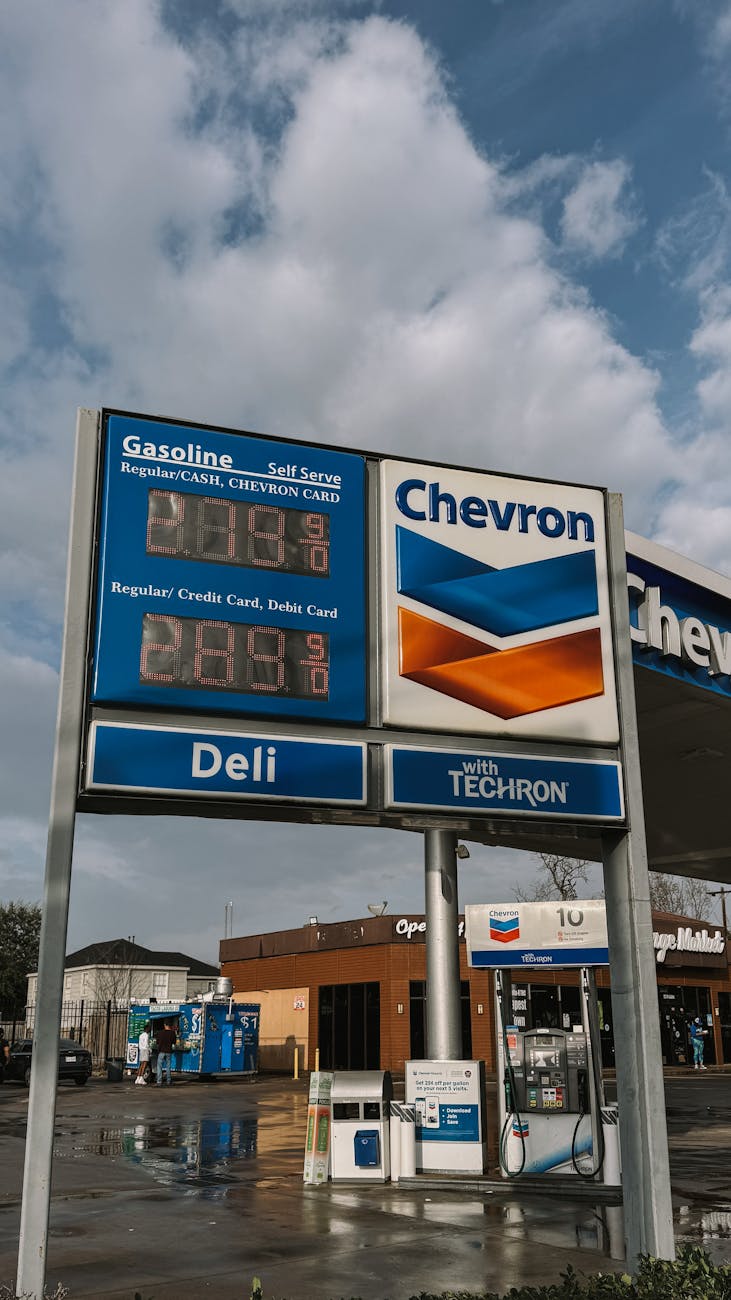
US drivers should not expect pump prices to fall back toward prewar levels this year even if an Iran ceasefire arrived tomorrow, because a national gasoline average still around $4.55 per gallon now reflects more than a headline war premium. It also reflects tighter inventories, refining bottlenecks and a summer demand curve that has not cracked.
That is the insider view running through the latest fuel-market commentary. Traders may be quick to sell crude on any de-escalation headline, but downstream prices move more slowly when stations are refilling higher-cost tanks and refiners are still managing disrupted flows. Reuters reported this summer travel season could still bring more price shocks for US drivers, while GasBuddy’s Patrick De Haan has argued the path lower would be measured rather than immediate.
But the same evidence reads differently from the analyst seat. For airlines, retailers and restaurant chains, the issue is less whether crude retreats for a few sessions than whether they can pass higher fuel costs through without cutting volume. CNBC tied higher jet-fuel costs and Spirit’s collapse to a travel market already testing the limits of what households will absorb, which turns a commodity story into a margin story.
The broader point is that fuel inflation is proving sticky enough to outlast the first relief rally. Prewar US gas prices averaged about $3 a gallon, according to the current market synthesis in The Guardian. That benchmark is gone for 2026 unless supply, inventories and refinery throughput all heal together, and there is little in the current data to suggest that kind of clean reset.
“I don’t even predict what next week’s going to be because of headlines.”
— Patrick De Haan, The Guardian
Ceasefires can reprice futures quickly. They do not rebuild stocks at the same speed. The IEA warning carried by the Guardian earlier this month put the oil market near a summer red zone because demand was rising into July and August while reserves were already thinning. Even a reopened Strait of Hormuz would not instantly refill storage or erase the cost of replacement barrels bought at wartime prices.
Why the pump lags crude
In other words, the regulator-policy perspective is less about diplomacy than plumbing. If crude drops first, refiners and distributors still have to work through the physical chain that turns a lower benchmark into cheaper gasoline. Bloomberg Markets described this week how investors were already treating a strait reopening as a de-escalation trade, but market relief is not the same thing as retail relief. Consumers notice the lag at the pump; policymakers notice it in inflation expectations.

That helps explain why there is no obvious fast policy fix. Strategic moves can cool benchmark crude or improve sentiment, but they do not create instant refinery uptime or cheaper replacement fuel for wholesalers. Relief can begin in futures markets and still take weeks to show up at a station sign on a commuter corridor.
That timing gap is also why a ceasefire headline and a normalization story are not the same thing. The Hill reported earlier in the week that De Haan thought prices could jump again if no deal reopened Hormuz, a reminder that the market is still pricing optionality around physical access, not just sentiment. Once stations buy replacement fuel at higher wholesale levels, the unwind tends to be stepwise rather than clean.
Households, meanwhile, have not backed away from travel. AAA expects 45 million Americans to travel at least 50 miles over Memorial Day weekend, including 39.1 million by car. Those figures tell the user-affected side of the story better than any anecdote does: drivers are still going, but they are doing so at a higher baseline price that crowds out something else in the budget.
“Travel demand remains strong, and despite higher fuel prices, many people are prioritizing leisure travel during holiday breaks.”
— Stacey Barber, AAA
That does not mean the squeeze is harmless. CNBC’s holiday weekend inflation report showed fuel, food and recreation all pressuring budgets at once. Axios reported on May 20 that all 50 states had average gas prices above $4 a gallon, with seven above $5. The more durable effect of a $4.50-plus gasoline regime is not necessarily canceled trips; it is smaller trade-offs made across groceries, dining, entertainment and discretionary retail.
BBC Business reported this week that the same war-driven wholesale costs were starting to filter into UK household energy bills for the first time, a reminder that the inflation pulse is not confined to a US gas-station sign. Earlier this month, CNBC Markets reported prediction-market traders were assigning roughly two-in-three odds to inflation topping 4.5 per cent this year. Politico reported around the same time that gasoline was nearly $1.40 above year-ago levels. A family can ignore a Treasury market move. It cannot ignore a higher fill-up.
Demand bends before it breaks
The analyst question, then, is where demand finally starts to give. So far the answer appears to be: not at the first price jump. The Hill reported that drivers were not expected to hit the brakes en masse on Memorial Day travel despite the national average around $4.55 per gallon. Tom Kloza, Gulf Oil’s chief oil analyst, made the same point more bluntly.

“We keep waiting for these signs of demand destruction. So far this year, we don’t see that.”
— Tom Kloza, The Hill
That resilience is supportive for gasoline margins in the near term, but it is less comforting for airlines and other fuel-sensitive sectors. CNBC said higher jet-fuel costs were testing summer vacation spending just as the market was absorbing capacity changes and the fallout from Spirit’s collapse. Airlines can raise fares faster than gas stations can cut pump prices, but that pass-through only works until households start trading down to shorter trips, cheaper dates or no trip at all.
That matters for listed companies well beyond airlines. Delivery networks, trucking-intensive retailers, cruise operators and restaurant chains can swallow a brief spike; they struggle more with a full season of elevated energy inputs paired with a consumer already absorbing higher food and recreation bills. The second-order effect is slower, but it is often the one that shows up in guidance revisions, weaker discretionary demand and a more cautious margin outlook.
The same logic applies beyond travel. Small businesses that depend on delivery, field service or commuting labor do not get a quick hedge from a ceasefire headline if their input costs were locked higher for weeks. Semafor argued the long-tail effect on gas prices could take time to return to earth, which is another way of saying the shock is no longer only about oil. It is about distribution costs, consumer sentiment and the credibility of any broader disinflation story.
This is why the ceasefire trade can still disappoint politically. A White House or campaign can point to lower crude and declare victory. Voters will judge the move on whether the local station price board follows. If gasoline retreats only from crisis highs to merely expensive, then the inflation story persists even as the military story cools.
The more plausible path for the rest of 2026 is not normalization but gradual damage control: some relief if supply routes stabilize, continued volatility if they do not, and a stubbornly higher retail floor than drivers had before the war. For scramnews readers, that makes fuel less a one-off commodities spike than a live measure of how geopolitical risk keeps leaking into consumer inflation, travel demand and earnings pressure long after the first ceasefire headline scrolls by.
Reza Najjar
Commodities desk covering oil, natural gas, gold and base metals. Reports from London.