Oil prices fall as Hormuz tankers move and war premium fades
Oil prices fell toward pre-war levels as tanker traffic resumed through Hormuz and crude discounts widened, easing the latest supply fears.
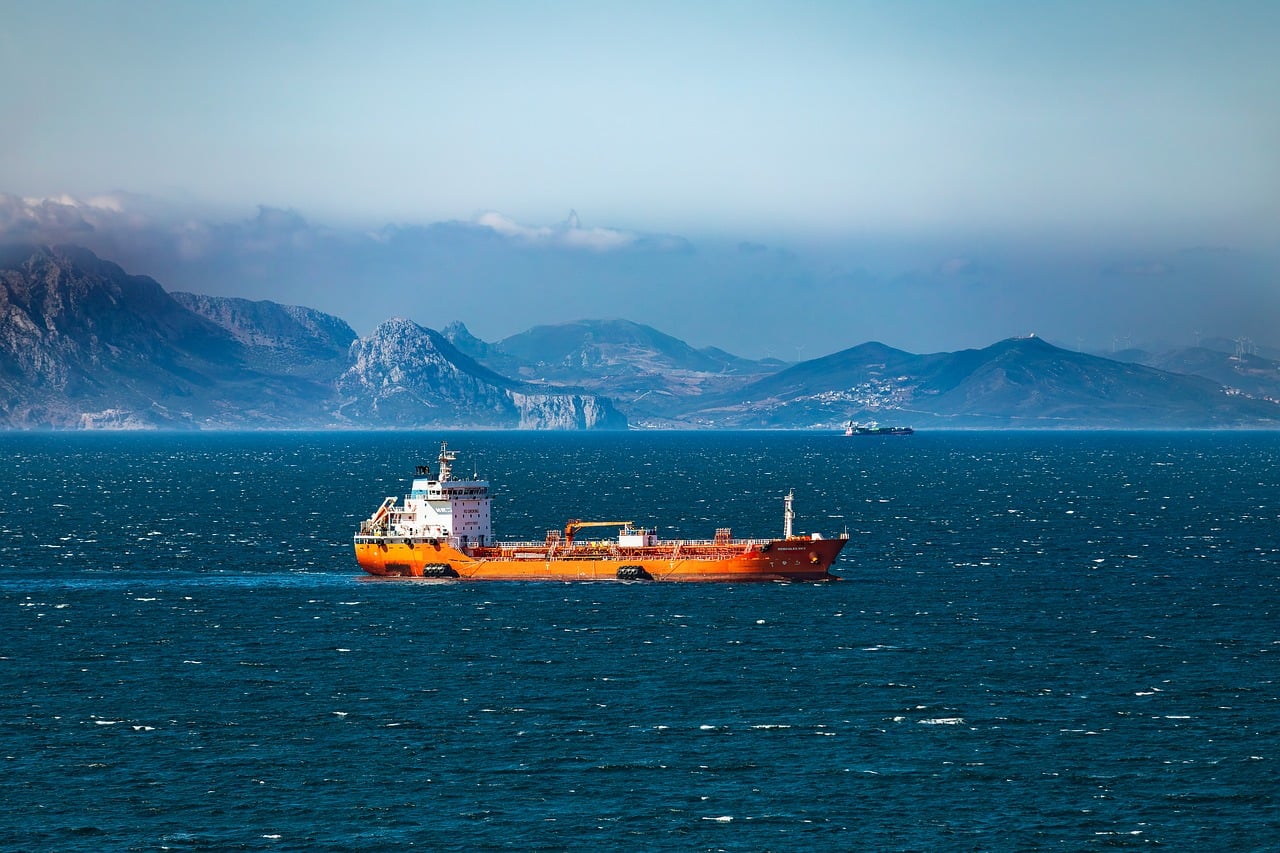
Oil prices fell Wednesday, with U.S. crude down 1.34 per cent and Brent off 1.67 per cent, as tankers resumed moving through the Strait of Hormuz and traders pared the wartime premium built during the Iran conflict, CNBC reported.
The retreat showed up in the physical market as well as the futures screen. Reuters reported that cash Dubai crude traded at a 27-cent-a-barrel discount to dated Brent on Tuesday, after peaking above a $60 premium in March. North Sea Brent changed hands at a 95-cent discount, the widest since 2022.
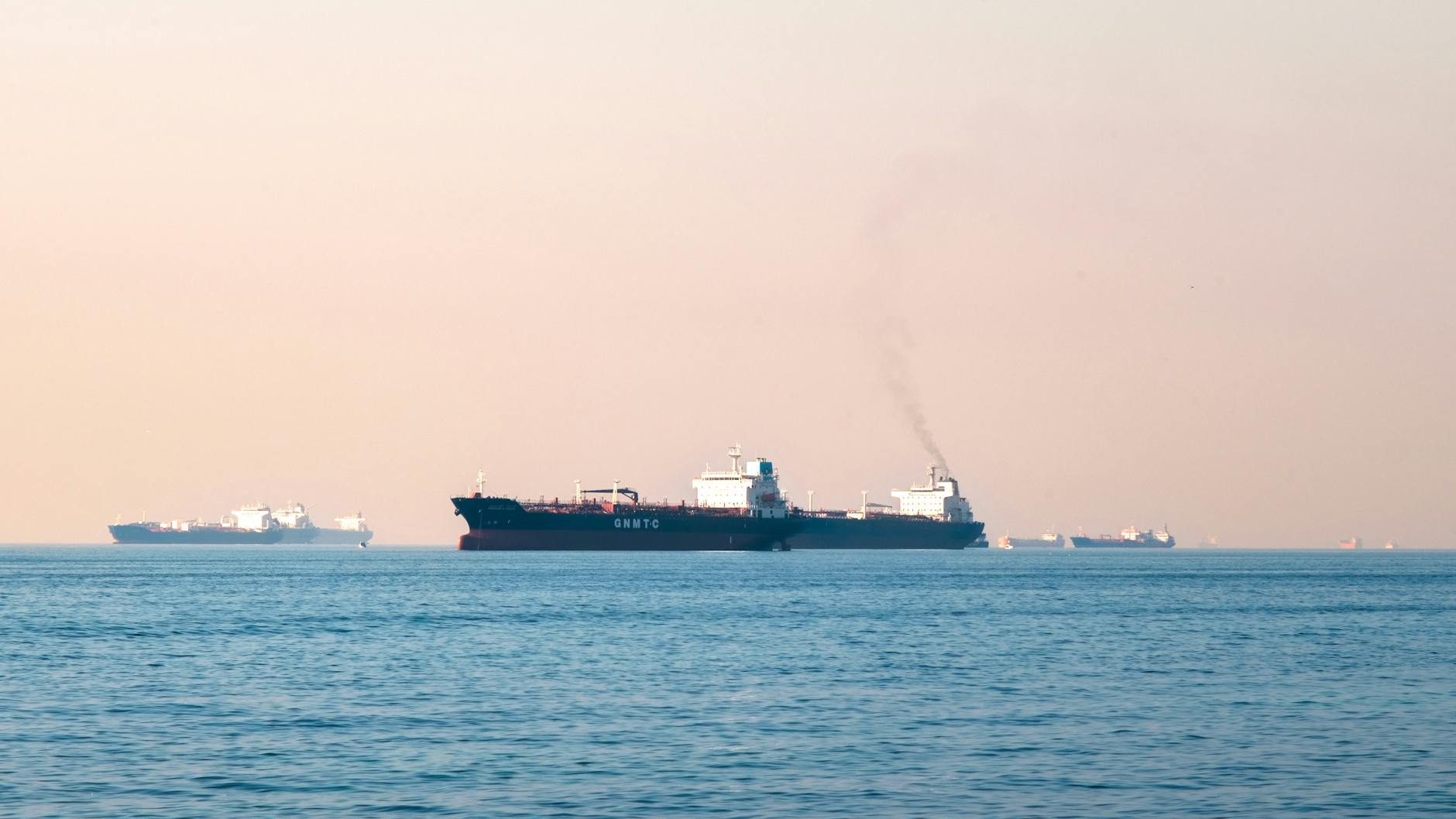
The shipping data gives the sell-off its harder edge. More than 20 tankers carrying 35 million barrels have passed through Hormuz, CNBC said, citing Kpler. For traders, that is a measurable sign that delayed crude is moving again instead of sitting near the Gulf’s exit.
Several of those vessels had been held back for months, according to CNBC. That makes the latest drop about cargoes clearing one of the world’s most important energy chokepoints, not merely about one calmer session in geopolitics.
For oil desks, the shift is from map risk to cargo reality. During the war, the market paid up for the chance that barrels would miss loading windows or arrive late. As vessels clear the strait, that urgency fades, even with the region still fragile.
That distinction matters.
Physical benchmarks tend to register fear, or its absence, before macro commentary catches up. When refiners think prompt barrels will be scarce, nearby grades flip into premiums. When cargoes keep arriving and buyers are already covered, those grades slip into discounts and the front of the curve loosens.
June Goh, senior oil market analyst at Sparta Commodities, told Reuters:
“Refineries in the East have already been well supplied for the next two months and have no need for the incremental barrels, leading to a very weak market and Dubai spreads in contango.”
Source: Reuters
For refiners, the point is blunt: they are not chasing extra Middle East cargoes right now. Contango, where later barrels cost more than prompt ones, signals less immediate scarcity than the market priced during the height of the disruption.
What the discounts show
The Dubai move matters because the benchmark sits near the centre of Asia’s sour-crude trade. A 27-cent discount to dated Brent is modest in isolation. The swing from a premium above $60 in March shows how quickly panic pricing has reversed.
Benchmark discounts also show where buyers are stepping back, not only where futures traders are selling. Reuters said North Sea Brent was assessed at a 95-cent discount to dated Brent, the biggest since 2022, in another sign that prompt supply is no longer being bid up.
Rystad analyst Janiv Shah pointed to the next leg in non-Gulf flows:
“We’re expecting U.S. crude export premiums to Asia to erode and AB differentials to soften as the weeks progress.”
Source: Reuters
That would push the unwind beyond Middle East barrels. If U.S. crude premiums into Asia soften and Atlantic Basin differentials weaken, the removal of the war premium becomes a freight-and-arbitrage story rather than a local relief trade.
The inflation read-through is why the oil move matters beyond energy desks. Crude is one of the fastest channels through which geopolitical shocks feed into expectations for prices. A sustained retreat would ease some pressure on airlines, shippers and fuel-sensitive manufacturers, while taking away part of the tailwind energy shares enjoyed when a supply squeeze looked more plausible.
Hormuz has not stopped mattering. The strait remains the critical chokepoint it was before the war, and tanker flows could tighten again if security deteriorates. For now, the market is trading what it can verify: ships are moving, barrels are landing and physical crude is being marked down rather than bid up.
Reza Najjar
Commodities desk covering oil, natural gas, gold and base metals. Reports from London.