Fed task forces: Warsh taps outsiders for overhaul
Fed task forces took shape under Kevin Warsh as the chair named business and academic outsiders to review data, communications and the balance sheet.
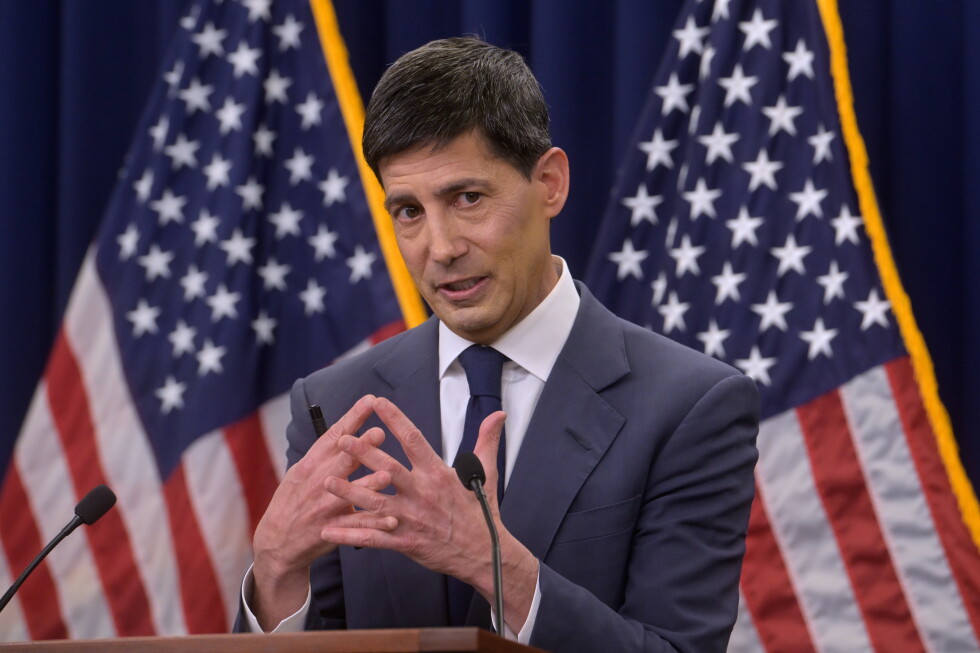
Kevin Warsh named 15 outsiders on Thursday to lead five Federal Reserve task forces, drawing business and academic figures into a review of the central bank’s data work, inflation analysis, communications and balance-sheet operations.
The appointments, detailed in a Reuters report, cover data, inflation, productivity, communications and balance-sheet management. Recommendations are due by year-end.
That scope matters. It turns Fed modernisation from a wording exercise into a test of how officials gather evidence, frame uncertainty and talk to markets at a point when the rate path remains unsettled.
The roster was part of the message. Financial Times reporting described a lineup drawn from well beyond the usual central-bank circuit, while the Associated Press account said it included venture capitalist Marc Andreessen and Harvard economist Raj Chetty. For investors, the names matter because they point to the institution Warsh wants around the policy table, not because any one outsider can set interest rates.
In a statement carried by Reuters, Warsh cast the exercise as a capacity review rather than an ideological fight:
“The goal is straightforward: to ensure the Fed is best positioned to achieve our objectives in this consequential time.”
Kevin Warsh, via Reuters
The wording leaves room for a review broader than communications. A chair who reopens the Fed’s data inputs, productivity assumptions and balance-sheet playbook is examining the machinery of policy before the next round of decisions lands.
Communications sits at the center of that machinery. The Fed moves markets through forecasts, speeches and statement wording as well as through the policy rate, especially when investors are divided over how quickly inflation is cooling. Process already carries a market signal.
That is why the five workstreams read like a market story. Data quality and productivity estimates shape how policymakers interpret growth that stays firm while inflation cools unevenly. A few words in a statement can shift Treasury yields and rate-cut pricing within minutes; so can a change in how officials explain the balance sheet.
The timing gives the review a sharper edge. The task forces follow Warsh’s first meeting minutes, which the Financial Times reported earlier, showed officials split over rates and inflation. If the review changes the information and framing beneath later policy calls, it becomes more than housekeeping.
Why the review matters
Balance-sheet management is the clearest example. The Fed still holds roughly $6.7 trillion in government bonds, according to AP. Any rethink of how it manages or explains that portfolio feeds into financial conditions, even without an immediate policy shift.
Outside input on data and productivity has a similar implication. Fresh views on real-time activity, or on the economy’s non-inflationary speed limit, could affect how officials decide whether strong growth is a warning sign or a source of resilience.
Warsh’s structure also puts old Fed habits under outside scrutiny. Business executives and academic economists will not write the policy statement. They may still widen the set of people shaping the questions before policymakers answer them.
Year-end is the next marker. Reuters said Warsh hopes to receive recommendations by then, giving markets a rough window for when changes to Fed process, presentation or balance-sheet management could take clearer form.
Warsh has not tied the task forces to a specific rate move or inflation target. By handing core pieces of the Fed’s operating model to outside review, however, he has made the institution’s plumbing part of the policy story. In a market still trading each payrolls, inflation and yields surprise for clues on the next hold or cut, process now matters too.
Helena Brandt
Macro reporter covering the Federal Reserve, ECB, inflation prints and jobs data. Reports from Washington.