Kevin Warsh takes Fed chair as inflation clouds rate cuts
Kevin Warsh took over as Federal Reserve chair on Friday as sticky inflation and higher Treasury yields kept traders skeptical of quick rate cuts.
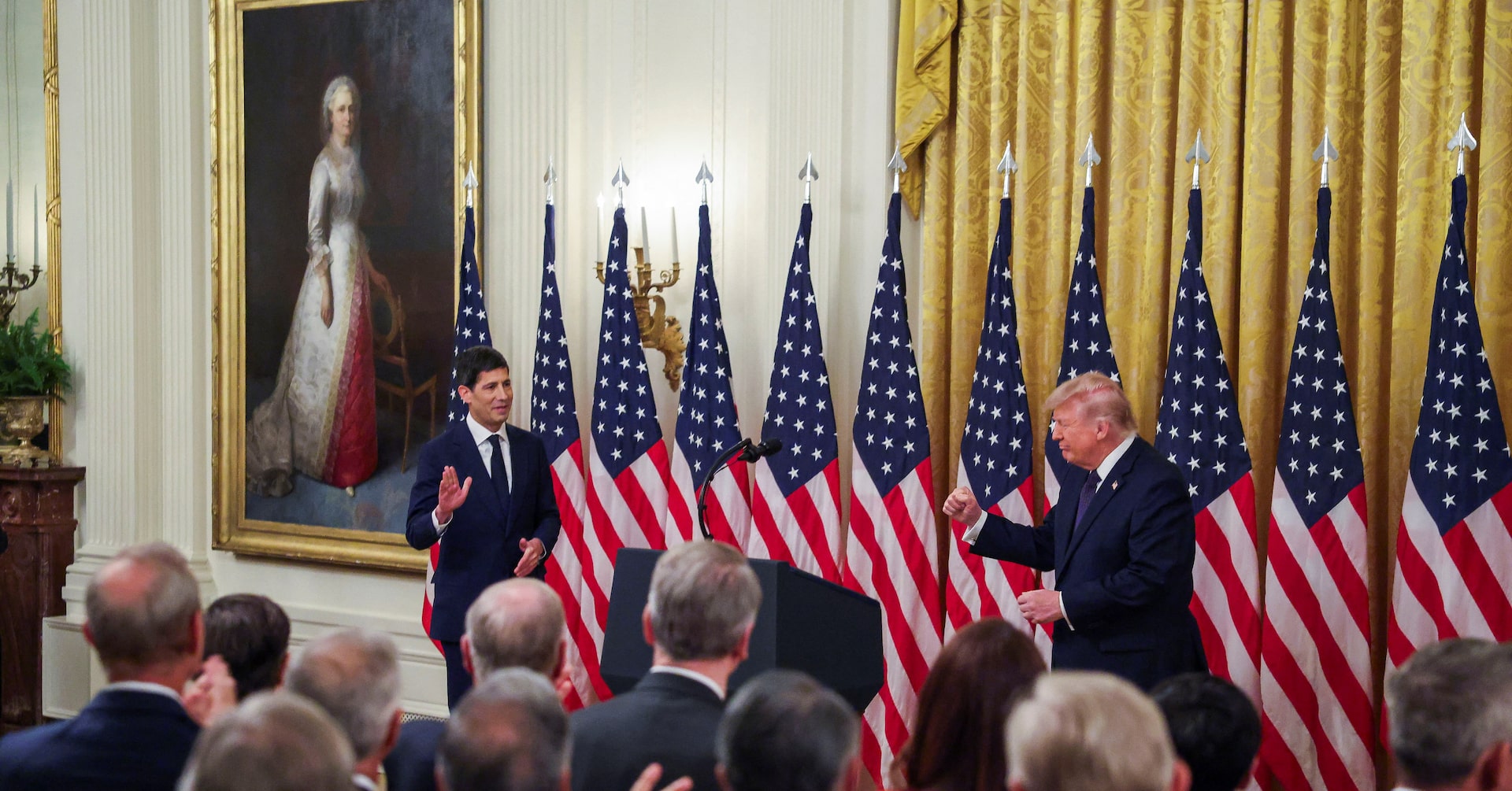
Kevin Warsh took over as Federal Reserve chair on Friday with bond traders still betting that sticky inflation and higher Treasury yields will keep the central bank from delivering the quick rate cuts President Donald Trump wants.
The swearing-in did not change the policy backdrop. Inflation is still running more than 1 percentage point above the Fed’s 2 per cent target, consumer sentiment has softened and long-dated Treasury yields have risen, leaving Warsh less room to promise easier money than the White House would like, as Reuters reported.
Trump used the White House ceremony to promise Warsh the “full support of my administration”, Reuters reported. Warsh, 56, becomes the 11th chair of the modern Fed era with political pressure for lower rates colliding with a bond market that has been demanding more caution.
Warsh said he would lead a “reform-oriented Federal Reserve”, according to Reuters. For investors, the more immediate question is whether he signals that the bar for cuts remains high or tries to convince markets the Fed can answer weaker growth even with inflation still uncomfortable. Either route carries risk: a harder line could deepen the bond repricing already under way, while an earlier nod to easing could test the Fed’s inflation credibility almost immediately.
CNBC’s market framing of the handover pointed to the same tension. Trump is still pressing publicly for lower borrowing costs, while traders have grown less confident that a new chair automatically means a faster easing cycle. The handover is done; the constraints around policy are not.
The policy room looks narrow
Christopher Waller, the Fed governor whose comments have helped shape rate expectations, put the issue plainly when he said policymakers should “make it clear that a rate cut is no more likely in the future than a rate increase”, Reuters reported. That is a reminder that Warsh inherits a committee and a policy message that were in place before he arrived.
His first test may be less about changing rates than about explaining what higher yields mean. If the move in long-dated Treasuries is doing some of the tightening for the Fed, policymakers can afford to wait. If it signals worry that inflation will stay elevated, the case for patience becomes harder to sell across mortgages, bank funding and richly valued equities.
Early coverage has not treated the swearing-in as a clean turn toward easier money. The New York Times’ account of the ceremony described a White House eager for rate relief just as the economics case for quick cuts has weakened. That raises the stakes for each Warsh appearance and press conference, because markets will be listening not only for his inflation view but also for how firmly he protects the Fed’s independence.
For stocks, credit and rates traders, the practical question is whether Warsh validates a data-dependent path or starts to open the door to cuts before inflation improves. If he sticks to that line, higher-for-longer pricing may hold. If he leans the other way, the bond market could tighten conditions for him. Friday’s ceremony did not settle that argument. It simply made Warsh responsible for it.
Helena Brandt
Macro reporter covering the Federal Reserve, ECB, inflation prints and jobs data. Reports from Washington.