Why bond traders think Warsh’s Fed could hike before it cuts
Warsh Fed rate hike bets are building as swaps, 2-year yields and sticky inflation push traders to doubt any near-term move toward cuts.
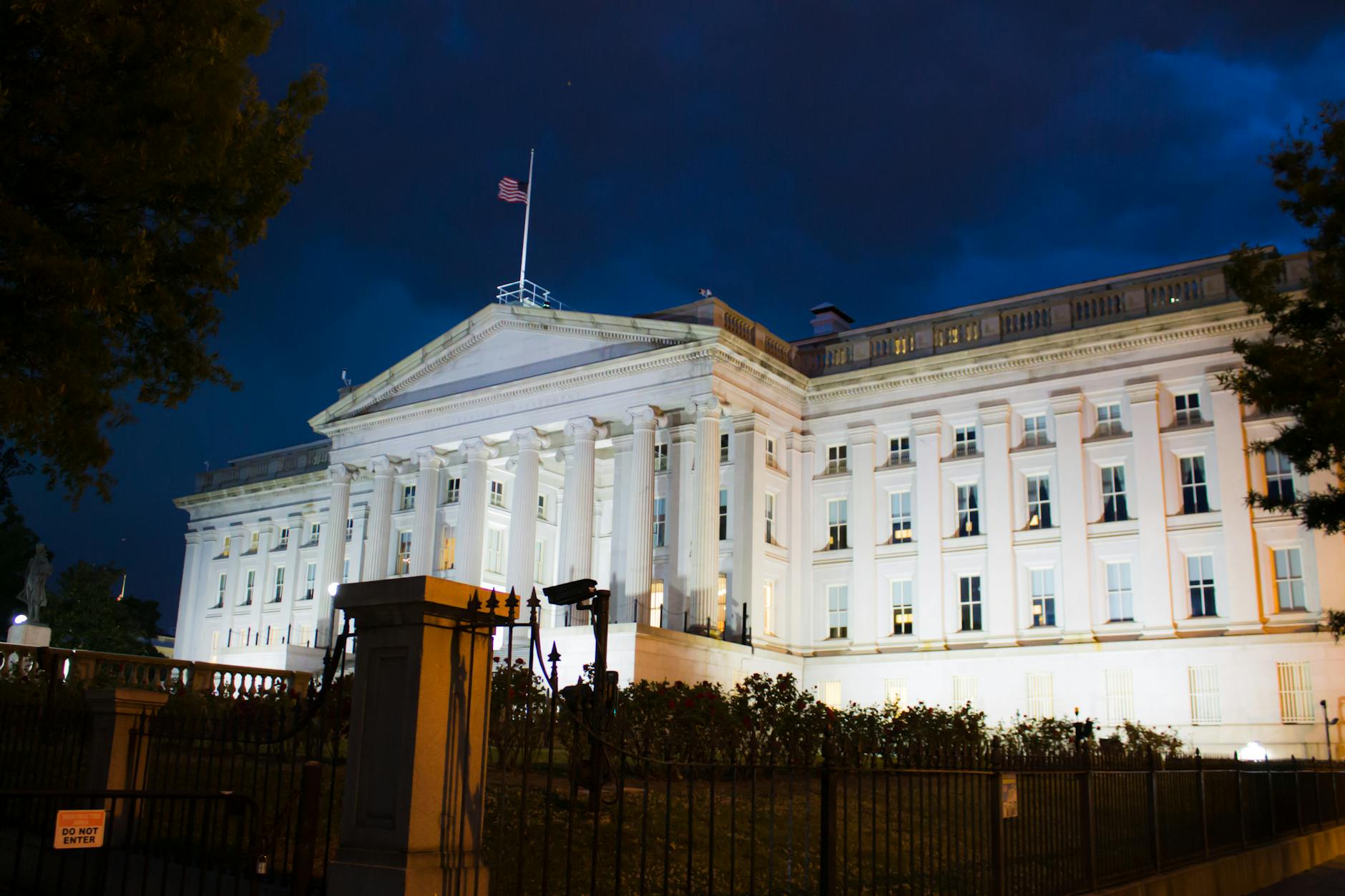
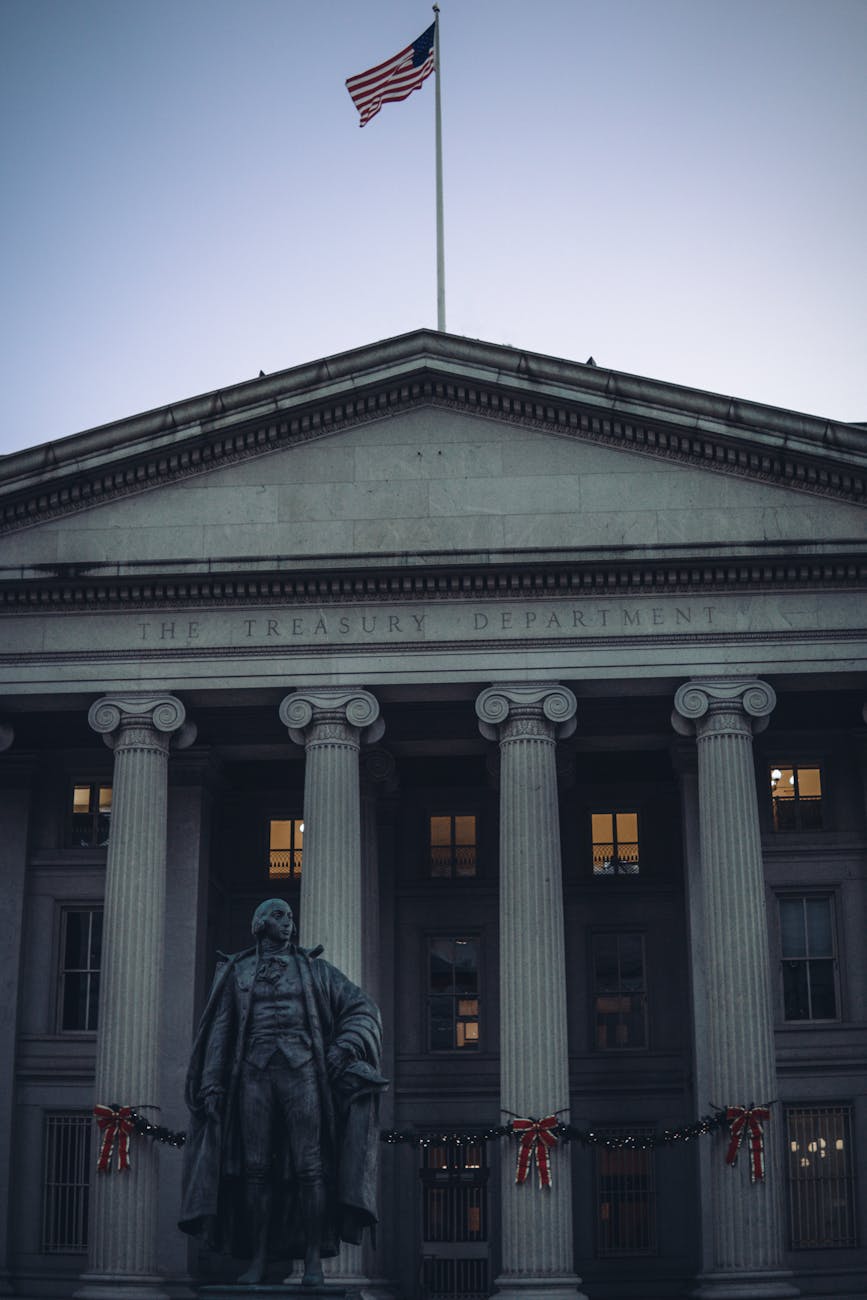
Bond traders are already pricing the first Warsh-era surprise: a Federal Reserve rate increase before any rate cut. Swaps tracked by Bloomberg imply 25 basis points of tightening by year-end, while the 2-year Treasury yield ended at 4.14 per cent on May 22 and the 30-year yield touched 5.20 per cent. That is a sharp reversal from the cut-first narrative that dominated only weeks ago.
That repricing matters because Kevin Warsh arrived at the Fed with inflation still moving the wrong way. April consumer prices were running at 3.8 per cent and producer prices at 6.0 per cent, according to CNBC’s confirmation-day coverage. Scramnews’s earlier Warsh story was about the handover. The follow-up is the plumbing underneath it: traders are treating his first year less as ceremony and more as a test of whether the central bank has already fallen behind the inflation pulse again.
Former Fed officials and policy veterans read the same backdrop more cautiously. Reuters reported that Warsh inherits an inflation problem already in view, but also a committee that still votes as a committee. The incoming chair can change tone quickly. Changing the path of rates takes consensus, timing and a willingness to own the market consequences.
The market moved first
Front-end traders rarely wait for a chair’s first press conference when the inflation data and the minutes point in the same direction. CNBC reported this week that Fed officials saw a rate hike ahead if inflation stayed elevated, a notable shift after months in which cuts had dominated the conversation. The reason the 2-year note carries so much weight is simple: it reflects where investors think the policy rate will sit over the next few meetings, not the economy’s long-run destination.

Longer-dated yields are sending a harsher message. A 5.20 per cent 30-year yield is not a clean forecast of a single Fed move, but it does show that investors want more compensation for inflation risk further out the curve. When front-end and long-end yields rise together, a new chair inherits less room to promise relief.
Warsh’s own language gives that move an anchor. In remarks collected by MarketScreener he said, “Inflation is the Fed’s choice.”
“Inflation is the Fed’s choice.”
Kevin Warsh, via MarketScreener
That line is hawkish because it places responsibility back on the central bank rather than on a passing shock. It also helps explain why traders have paid more attention to the front end than to campaign rhetoric. Donald Trump wants lower rates. Markets, at least for now, think sticky price data will matter more than presidential preference.
The historical context supports that view. Earlier in May, CNBC wrote that Warsh was stepping into a “family fight” over whether policy was already too easy for an economy still absorbing higher energy costs. A few days before that, the same network reported that the bond market believed the Fed was behind the curve on inflation as Warsh took over. The repricing did not begin with the swearing-in. The handover simply gave it a cleaner focal point.
The committee still matters
Chairs shape language before they shape votes. The first real Warsh trade may therefore be about communication rather than about a June or July decision. Reuters’ readout of Warsh’s stance and CNBC’s reporting on the statement both point to a chair who prefers less forward guidance and more room to react meeting by meeting.
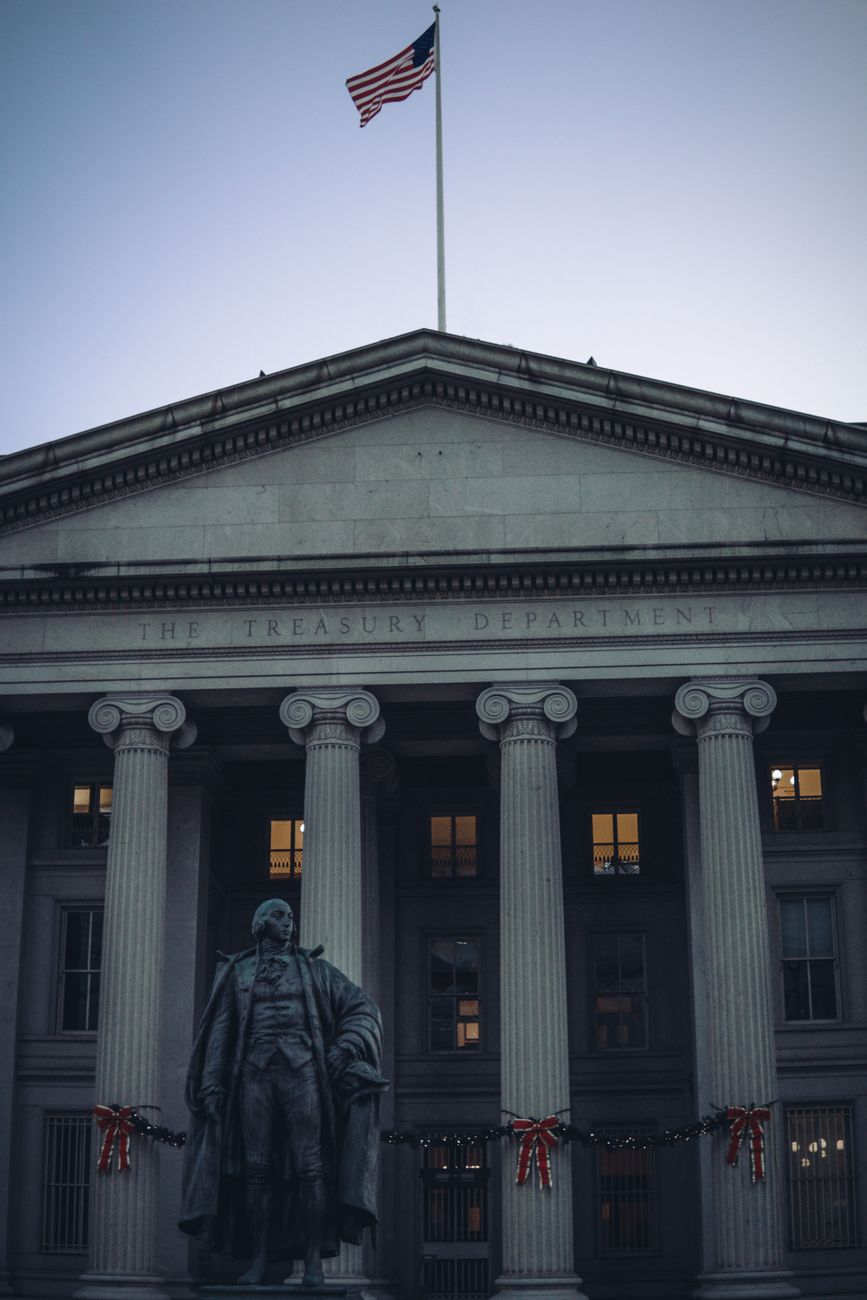
Warsh has already signalled that preference in public. “I don’t believe that I should be previewing for you what a future decision might be,” he said in the same MarketScreener compilation.
“I don’t believe that I should be previewing for you what a future decision might be.”
Kevin Warsh, via MarketScreener
For traders, that matters because a more agnostic chair forces the market to trade the data harder. Under Powell, investors often had a well-developed sense of the Fed’s reaction function even when they disagreed with it. Under Warsh, the statement language and press-conference tone could become more important inputs in their own right. Every CPI print, every payrolls release and every move in oil carries a little more weight in that setup.
Loretta Mester, the former Cleveland Fed president, framed the internal problem more bluntly in CNBC’s interview. “I just don’t think right now he can make those arguments in a credible way, because we have an inflation problem.”
“I just don’t think right now he can make those arguments in a credible way, because we have an inflation problem.”
Loretta Mester, former Cleveland Fed president, via CNBC
Mester’s point is less about Warsh personally than about the burden of proof. A chair can argue for patience. A chair cannot easily argue for easier policy while price data are still above target and minutes are acknowledging the chance of further firming. That is also why Axios’s report on Trump’s relaxed response to a hike risk landed oddly in markets. Political pressure did not disappear; traders just concluded it had lost the first round to the inflation numbers.
Why the market could still be too hawkish
Skeptics see a different trap. They accept the repricing, but they do not accept that a full hiking cycle is the base case. Semafor argued that inflation fears have persisted globally as the Iran shock fed through energy markets, yet that still leaves open a path in which the burst fades before it hardens into wages and services. CNBC’s energy-geopolitics analysis made a similar point: oil can jolt inflation expectations without guaranteeing a durable second-round problem.
That distinction matters because the current market price is only 25 basis points by year-end, not the start of a long tightening campaign. The bond market is effectively saying Warsh may need one insurance move if the spring inflation burst proves sticky. It is not yet saying the Fed is headed back to a serial-hike regime.
What would flip traders back toward cuts? The skeptic case is straightforward. Energy prices would need to cool, headline inflation would need to stop accelerating and policymakers would need evidence that the recent jump was shock-driven rather than broadening. The Hill’s survey of the obstacles facing Warsh and Axios’s read of Trump’s comments both underline how little room he has for a visible policy error in his opening months. Cutting too soon would damage credibility. Hiking into a fading shock would do the same.
That leaves a narrower conclusion than the headline trade suggests. Bond traders are not pricing Warsh as a mechanical hawk who must raise rates on arrival. They are pricing a chair who has spent years criticising easy money and who now inherits inflation that still looks too hot for a quick pivot. If the data cool quickly, the market can unwind the trade. If they do not, the first signature move of the Warsh era may be a hold that markets interpret as a warning shot.
For mortgages, equities and corporate funding costs, the practical point is immediate: the bar for easier money has moved up. The Bloomberg pricing and the Reuters account of Warsh’s inflation-first inheritance point in the same direction. His Fed may still cut later. Right now, the market thinks it may have to threaten the opposite first.
Helena Brandt
Macro reporter covering the Federal Reserve, ECB, inflation prints and jobs data. Reports from Washington.