Strait of Hormuz attack lifts oil as shipping risk returns
Strait of Hormuz attack lifted Brent 2.1 per cent and WTI 2.3 per cent as a struck cargo vessel revived tanker risk and paused evacuations.
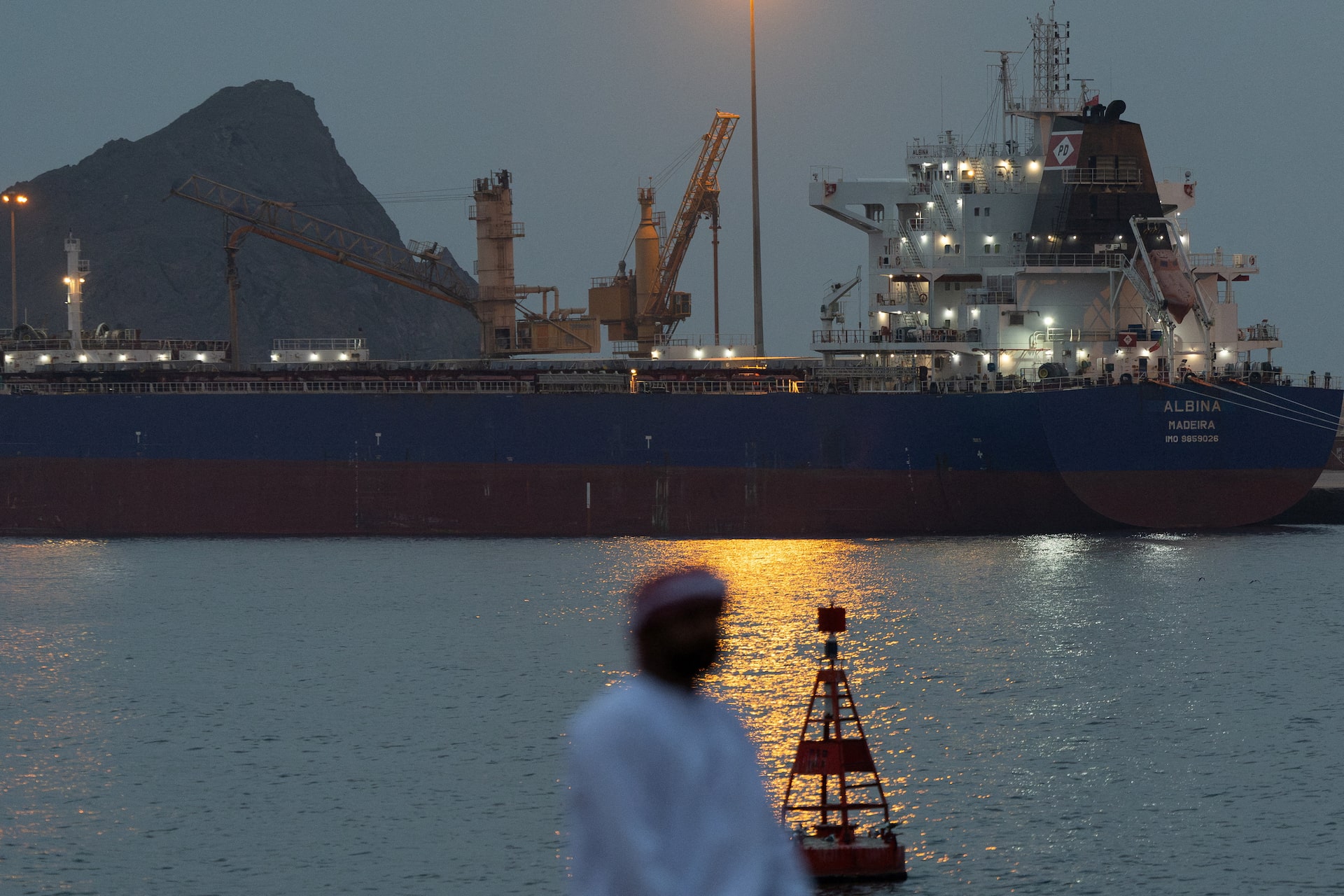
Oil rose Thursday after a cargo vessel was hit by a projectile near Oman, putting a security premium back into crude only days after traders began taking some Hormuz risk out of prices. Brent crude settled at $75.26 a barrel, up $1.52, or 2.1 per cent, while U.S. West Texas Intermediate finished at $71.92, up $1.58, or 2.3 per cent, Reuters reported.
The attack did not have to remove much supply to move the market. Roughly 20 per cent of global oil supplies pass through the Strait of Hormuz in normal conditions, so a strike on commercial traffic is enough to test whether insurers, shipowners and crude traders believe the ceasefire around Iran can support ordinary scheduling.
A calmer trade had looked possible a day earlier. Reuters had reported lower prices as tankers started to exit the strait again after the first conflict shock, suggesting that part of the war premium was already washing out. Then the vessel was hit. Freight terms, insurance costs and the physical movement of crude can all tighten before any formal blockade appears.
The New York Times reported that U.S. Central Command carried out retaliatory strikes after the attack, linking the shipping incident back to the wider military confrontation. President Donald Trump called the episode a “foolish violation”, according to the Times. For traders, the phrase mattered because it showed how fast a ceasefire story can weaken once commercial vessels become part of the conflict.
The operational response was just as important as the political one. Al Jazeera reported that the U.N.'s maritime agency paused an evacuation effort after the vessel was struck. Gulf disruptions show up in delayed sailings and revised risk guidance before they are visible in official production data. Tanker operators also have to decide, voyage by voyage, whether to enter the waterway on schedule.
That gap between political calm and operational confidence matters for crude. Diplomacy can push the geopolitical premium lower in a single session. Shipowners and charterers still need evidence that vessels can sail, load and unload without interruption. Thursday’s incident reopened the gap and left traders with a narrower question: can commercial shipping move through Hormuz without another stoppage?
June Goh, a senior oil market analyst at Sparta in Singapore, told Al Jazeera that the binding constraint sits in the logistics chain, not in headline production capacity.
“There is a pressing need for tankers to enter and offload the high crude stocks from onshore tanks in order for normal production to resume again,”
— June Goh, senior oil market analyst at Sparta, via Al Jazeera
What traders can verify
That distinction matters.
Reuters cited Rystad Energy analysts as saying storage tanks across the Gulf were about 50 per cent to 60 per cent full. The next market test is whether tankers resume loading and unloading quickly enough to clear barrels already sitting onshore. If that flow does not recover soon, Rystad said, producers may need to throttle back output and the region’s return to normal shipping could slip into next year.
The markers are plain enough. Ships need to keep entering the Gulf. Evacuation and navigation plans need to restart. Stored crude has to move out at scale. Those signs will decide whether Brent gives back this week’s rebound or rebuilds a risk premium tied to the physical reliability of the route.
The latest price action suggests crude traders are treating the attack as proof that the floor under oil was lower only while the waterway looked usable. Once a commercial ship is hit and maritime plans pause, the market stops pricing headlines and starts pricing operational risk. If vessel traffic through Hormuz remains exposed to fresh strikes, the premium in Brent and WTI may look less like a fading tail risk than part of the market’s near-term range.
Reza Najjar
Commodities desk covering oil, natural gas, gold and base metals. Reports from London.